
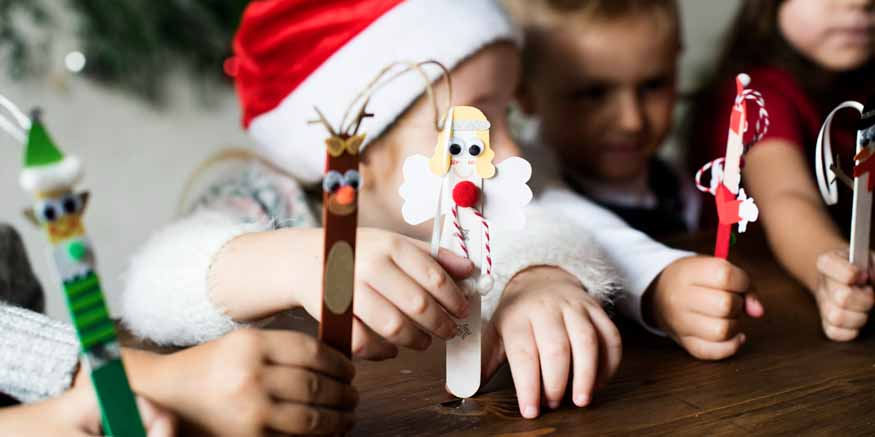
In the world of early childhood education, combining the festive magic with sensory play concepts transforms holiday experiences into powerful learning moments. Sensory play isn’t just about fun; it supports holistic growth, encouraging preschoolers to explore their environment through touch, sight, sound, and smell.
In India’s diverse settings, where Christmas celebrations blend global traditions with local culture, preschool sensory activities offer an excellent way to make the season memorable, engaging, and developmentally beneficial for young learners. Let’s explore creative sensory bin ideas, exciting activities, and tips for making holiday sensory fun part of your Christmas celebrations with preschoolers.
What Is Sensory Play and Why Does It Matter?
Sensory play involves activities that stimulate a child’s senses: touch, sight, sound, smell, and sometimes even taste. These experiences support cognitive, physical, and emotional growth in early childhood. Encouraging children to explore different textures, sounds, and materials helps them build vital neural connections and supports essential developmental skills.
Sensory play is especially powerful for preschoolers, who learn best through active engagement and hands-on exploration. In fact, sensory play supports language development, problem-solving, and social interaction. This makes it a cornerstone of effective early years education. During the Christmas season, layering sensory play with festive themes enhances engagement. Whether it’s the scent of cinnamon or the feel of soft “snow,” students connect holiday joy with rich sensory experiences that support both preschool sensory activities and meaningful learning.
Setting Up Your Sensory Play Space
When planning sensory play Christmas experiences, safety and simplicity come first. Use child-safe materials and avoid small, choking hazards for younger children. Create stations or bins with clear labels and provide tools like scoops, spoons, and containers to encourage exploration. This kind of setup can be used in classrooms or at home with equal success. Keep in mind that sensory play doesn’t require expensive toys. Everyday materials such as rice, pulses, water, cotton balls, and spices make excellent sensory bases. Parents and teachers in India often use items such as coloured rice or seasonal spices to add a vibrant, familiar touch to sensory play.
Festive Sensory Bin Ideas
1. Snowy Christmas Sensory Bin
Prepare a bin filled with “snow” using safe, readily available alternatives in India, such as flour, coconut shavings, or different shades of rice. Add small festive items like bells, stars, plastic ornaments, and scoops. Children can explore texture, practice scooping and pouring, and uncover hidden surprises. This type of bin activity encourages tactile exploration and supports the development of fine motor skills, both key objectives in early childhood learning.
2. Hot Cocoa Sensory Station
Capture the warmth of the season with a hot cocoa sensory station. Use cocoa powder, marshmallows, wooden spoons, and small cups. As children stir their hot cocoa, they explore the different textures and scents, while engaging multiple senses and building vocabulary by describing their experience.
3. Christmas Tree Sensory Tray
Fill a shallow tray with green-coloured rice or dyed pasta. Add mini tree shapes, sequins, star buttons, and festive-themed baubles. Children can decorate their own “miniature Christmas forest,” fostering creativity and imaginative play. Sorting shapes by colour and decorating trees also support early math and pattern recognition skills.
4. Sensory Bottles for Calm Discovery
Sensory bottles are an excellent tool for quiet, calming sensory play. Fill clear plastic bottles with holiday-coloured items like red and green beads, glitter, buttons, and water. Seal the lids tightly, then have children shake and observe how the materials move and settle. This activity is excellent for enhancing focus and visual tracking. Twinkl recommends creative sensory bottles as a meaningful Christmas sensory activity and a way to introduce emerging concepts such as cause and effect.
5. Holiday Texture Exploration
Provide materials with contrasting textures, such as smooth bells, coarse rice grains, or soft cotton balls paired with rough pinecones. Encourage children to close their eyes and identify textures by touch alone. This activity sharpens sensory discrimination and builds vocabulary as children describe what they feel. Incorporating familiar Indian household items, such as lentils and pulses, adds a local, accessible touch to sensory play.
Sensory Play With Scent and Sound
6. Spice and Herb Exploration
Introduce scents that evoke the holiday spirit, such as cinnamon, clove, cardamom, or dried orange peels. Place these in small bowls for children to smell, touch, and describe. Sensory experiences with smell not only stimulate olfactory senses but also connect children with familiar cultural aromas prevalent in Indian kitchens. Combining scents with music or movement can turn passive exploration into active holiday sensory fun.
7. Musical Shakers and Sound Play
Create simple musical instruments with filled bottles (beans, beads, or rice). Children can shake them to explore differences in rhythm and sound. This sensory play blends auditory learning with festive music. And this is a perfect accompaniment for Christmas sing-alongs or instrumental games in preschool settings.
Preschool Sensory Activities That Build Skills
Sensory play supports more than just tactile exploration; it builds foundational skills crucial for lifelong learning.
Fine Motor and Coordination
Activities such as scooping cocoa powder, using tweezers to pick up beads, or moulding modelling dough strengthen the small muscles in preschoolers’ hands. These skills support writing readiness and everyday tasks like buttoning and zipping clothing. Sensory play is often linked to improved focus and task persistence, as children follow their curiosity and complete hands-on explorations.
Language and Social Skills
When children engage in sensory play together, they naturally communicate about what they feel, see, and hear. This builds vocabulary and conversational skills. Teachers and parents can prompt children with descriptive language. They can ask, “Is it rough or smooth?” or “What sound does this make?” to deepen sensory awareness and language development.
Sensory Play and Cooperative Learning
Group sensory activities encourage cooperation. Whether children take turns scooping rice or share small ornaments to decorate sensory bins, they practise social skills such as sharing, turn-taking, and teamwork. These social interactions are especially valuable in Indian preschool classrooms where collaborative group play is part of daily learning rhythms.
Creative Extensions for Holiday Sensory Play
1. Sensory Art Projects
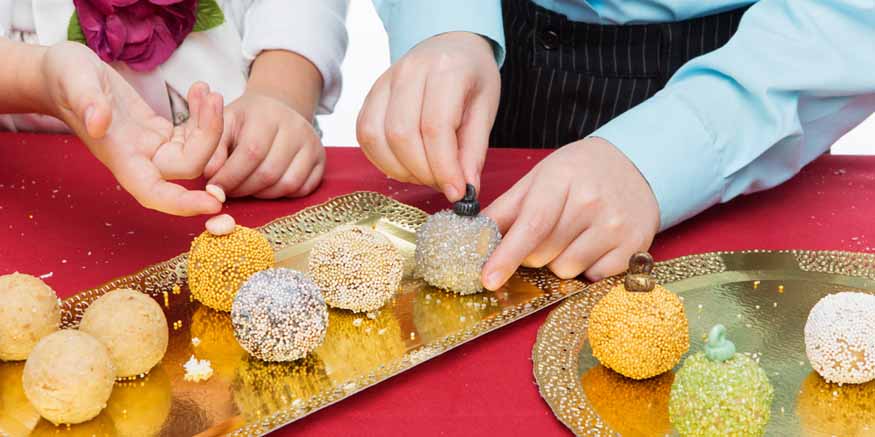
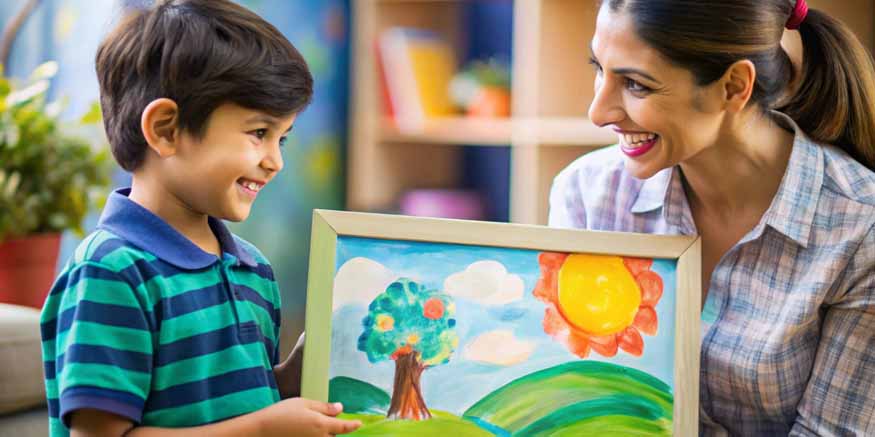
Combine sensory materials with art. For example, use cinnamon-scented playdough or coloured rice glued onto cards in festive shapes like stars or bells. These preschool sensory activities merge tactile exploration with creative expression.
2. Story-Linked Sensory Play
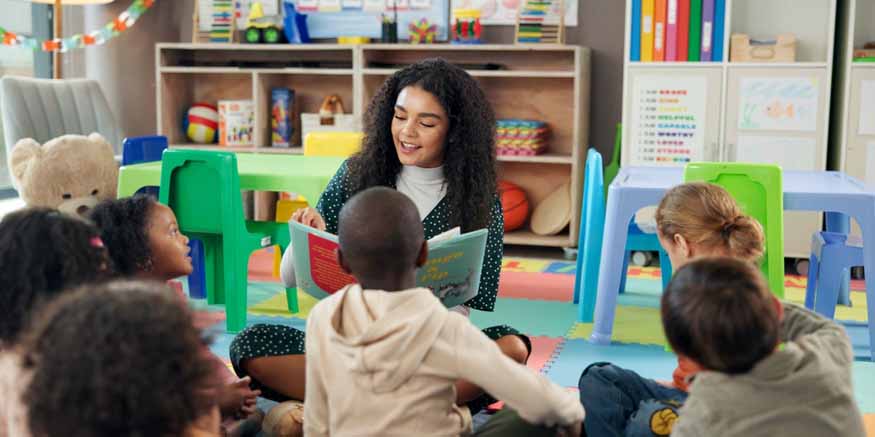
Pair sensory play with holiday storytime. After reading a Christmas-themed story, invite children to explore a sensory bin related to the tale — perhaps a “reindeer stable” with brown pasta and felt antlers or a “snowy forest” with cotton and glitter. Story-linked play enhances comprehension and memory by connecting narrative with sensory experience.
3. Calm-Down Sensory Corners
Set up a quiet sensory corner with sensory bottles, soft textures, and calming scents like vanilla or orange peel. This space provides children with an opportunity to regulate their emotions, especially during busy holiday weeks.
Tips for Teachers and Parents
To make the most of sensory play Christmas activities, adults should observe and facilitate rather than direct play. Offer open-ended prompts, encourage descriptive language, and allow children to lead their exploration. You can also integrate cultural elements; for instance, including spices used in Indian festive cooking as sensory materials or traditional motifs in sensory trays. Always supervise closely, especially with small materials, and choose non-toxic, age-appropriate items. Rotate sensory stations to maintain novelty and excitement throughout the holiday season.
Seasonal Joy Meets Meaningful Learning
We at Mother’s Pet Kindergarten believe that Sensory play activities offer a delightful blend of holiday fun, developmental growth, and festive celebration. Through creative sensory bin ideas and thoughtful preschool sensory activities, children engage all their senses while building cognitive, social, and emotional skills. Whether at home with family or in a preschool classroom, these experiences make the season richer and more meaningful. Sensory exploration at Christmas time for preschoolers need not be tied to Western concepts. Let’s not forget that Christianity has a 2000-year-old history in India. Indian cultural Christmas festivities have developed a unique flavour, and children can use local, desi items for sensory exploration. By connecting these festive themes with sensory exploration, teachers and parents in India can create joyful learning moments that reflect both the magic of Christmas and the everyday wonder of discovery. With simple setups, familiar materials, and a dash of holiday cheer, sensory play becomes an unforgettable part of your child’s festive journey.



Recent Comments