
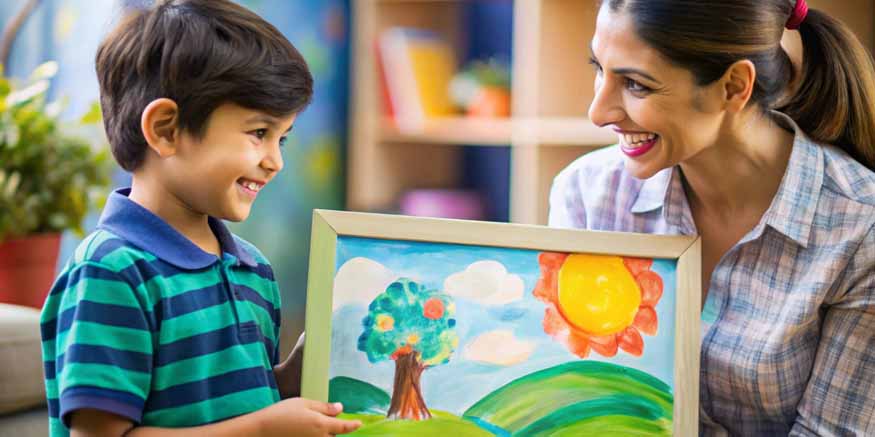
The Christmas season is more than lights, gifts, and festive cheer; it presents a unique golden opportunity to nurture kindness, generosity, and empathy in young hearts. In the Indian context, where celebrations bring families and communities together, teaching kindness to preschool children fosters essential values that shape their character and social relationships. For preschoolers, learning the spirit of giving helps build social skills and lays the foundation for compassionate adulthood. In this article, we will explore meaningful Christmas giving ideas, festive kindness activities, and practical ways teachers and parents can guide little learners in understanding the joy of giving and sharing.
Why the Spirit of Giving Matters in Early Childhood
Early childhood is a formative period for emotional and social development. Preschoolers are naturally curious and responsive to social cues, making it an opportune time to introduce concepts such as empathy, sharing, and altruism. According to parenting experts, kindness isn’t just a surface-level behaviour; it contributes to emotional intelligence, relationship skills, and prosocial behaviour that last a lifetime. In India’s diverse cultural environment, many festivals, such as Diwali and Pongal, also emphasise gratitude and compassion, showing that various traditions offer lessons in giving and empathy that complement the teachings of Christmas. Teaching kindness from a young age equips children with the tools to understand others’ feelings, respond thoughtfully, and engage positively in group settings. In a multicultural society such as India, ranging from bustling cities such as Mumbai and Delhi to smaller towns across the country, these skills are valuable lifelong assets.
Meaningful Christmas Giving Ideas for Preschoolers
1. Toy and Book Donation Drive
One of the most impactful Christmas giving ideas is organising a toy or book donation drive. Children can select toys or books they no longer play with or use, pack them nicely, and donate them to a local orphanage, rural school, or shelter. This activity often sparks joy as preschoolers learn that something meaningful to them can bring happiness to another child. In many Indian schools, donation drives are part of the festive season, promoting compassion alongside creativity.
2. Bake and Share
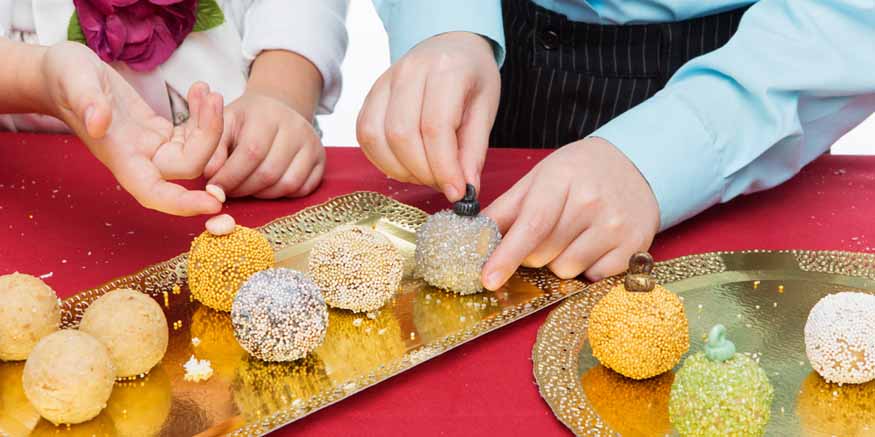
Baking simple treats with children, like cookies or cupcakes, and sharing them with neighbours, security guards, or elderly family members is a festive kindness activity that combines creativity with connection. Even if the treats are simple, the act of sharing effort and time sends a powerful message of community and care. This kind of shared experience also encourages social skills for kids, such as cooperation, patience, and pride in helping others.
3. Make Handmade Gifts
Handmade gifts, crafted with love, can be among the most treasured presents. Preschoolers can create:
- Hand-painted cards with notes of gratitude
- Simple ornaments or crafts made from recycled materials
- Thank-you drawings for helpers like drivers, cleaners, and teachers
These heartfelt expressions teach children that giving isn’t about expensive gifts, it’s about thoughtfulness and effort.
4. Acts of Service as Gifts
Encourage preschoolers to think beyond objects and consider acts of service as gifts. They could:
- Help clean up a shared play area
- Share a favourite toy with a friend
- Draw a cheerful picture for a family member who may feel lonely
These simple actions help preschoolers practise empathy and kindness in everyday life.
Building the Concept of Empathy
Understanding the feelings and needs of others is central to the spirit of giving. Preschoolers are ready to learn empathy when adults model and guide compassionate behaviour.
Storytelling to Cultivate Compassion
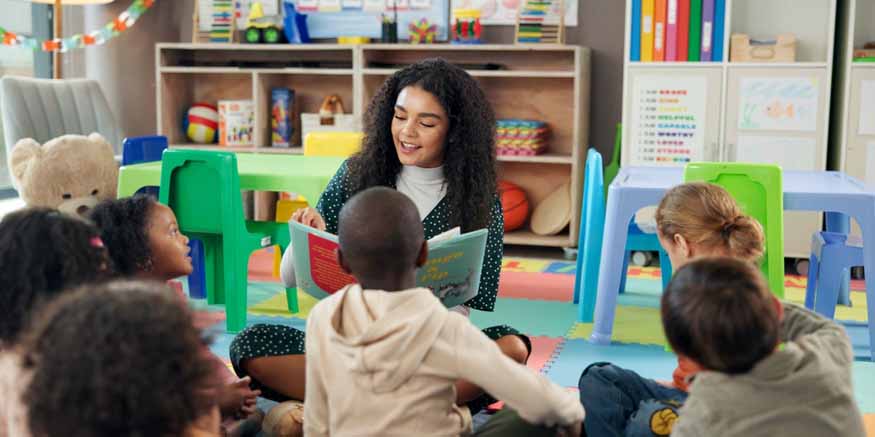
Storytelling is a powerful educational tool. Teachers and parents can read age-appropriate Christmas stories that emphasise generosity and caring. Stories about sharing, helping others, and showing kindness in challenging situations help children internalise these values, even when the lesson is subtle. Telling stories also strengthens language development, emotional awareness, and moral reasoning.
Role-Playing Activities
Role-playing is a fun, festive kindness activity where kids act out scenarios like helping a friend who falls, sharing snacks, or giving a pretend gift. This kind of pretend play encourages children to see things from others’ perspectives, which is a foundational skill in empathy that supports positive social interactions.
Emotion Vocabulary and Expression
Helping preschoolers label and understand their emotions and recognise feelings in others enhances their ability to respond thoughtfully. Use emotion cards, puppet play, or group discussions to discuss feelings such as happiness, sadness, and pride in giving. Teachers and parents can guide children to express these emotions and relate them to acts of kindness.
Festive Kindness Activities in Indian Preschools
1. Kindness Tree or Wall
Create a Kindness Tree in which each child contributes an idea for something kind they did or plan to do. Display these on a classroom wall or board to celebrate collective kindness throughout the season. Each leaf or ornament can represent a child’s contribution to making someone’s day better. This visual display also reinforces positive behaviour and supports teaching kindness to preschool learners by connecting actions with praise and recognition.
2. Holiday Helping Tasks
Divide simple tasks into small, achievable “helping missions” children can complete each day, such as picking up toys, helping a classmate, or complimenting someone. Celebrate these small wins as part of your holiday curriculum. These tasks not only encourage good habits but also help preschoolers practise social skills for kids, such as cooperation and teamwork.
Kindness-Themed Songs and Rhymes
Integrate festive songs that focus on kindness. Whether in English or local Indian languages, songs about giving and caring add joy to learning and help reinforce positive behavioural themes in a memorable way. Here are some examples:
- “If You’re Happy and You Know It” (Kindness Version)
Theme: Sharing happiness and positive actions How to adapt: Add verses like: If you’re kind and you know it, help a friend! If you’re kind and you know it, say thank you!
- “This Is the Way We Help Our Friends”
(Tune: Here We Go Round the Mulberry Bush) Theme: Helping, caring, daily kindness Examples: This is the way we help our friends This is the way we share our toys
- Simple Kindness Chant (Easy to Teach)
You can also use this original, easy chant: Kind hands, kind feet, Kind words are so sweet, We help, we share, We show we care! Perfect for morning assembly or circle time.
Music also makes emotional concepts accessible and engaging for young children, enhancing both mood and memory.
Advice for Parents and Teachers
For preschool educators and parents, guiding children through the spirit of giving requires patience, encouragement, and modelling. Here are practical tips:
- Lead by example:
Children learn generosity by watching adults consistently show kindness.
- Use everyday moments
to talk about sharing and helping others.
- Celebrate kind acts
with praise and attention, reinforcing that giving feels good.
- Encourage reflection
by asking questions like “How do you think that made them feel?” or “What did you enjoy about sharing?”.
When adults actively engage with children’s efforts and discuss the reasons behind giving, children deepen their understanding of compassion and community.
Making the Spirit of Giving Last Beyond Christmas
“In a world full of critics, be kind.” While Christmas provides a festive backdrop for teaching kindness to preschool children, the lessons of empathy, generosity, and compassion are timeless. By integrating Christmas giving practices such as donation drives, handmade gift-making, and acts of service into classrooms and homes, we help children internalise values that enrich their lives and relationships. Mother’s Pet Kindergarten believes that kindness doesn’t end with the season; it becomes a way of life if nurtured consistently and proactively. As children experience the joy of giving, they also become more confident, socially connected, and emotionally aware individuals.




Recent Comments