
The end of the holiday season is exciting, but when it’s time to return to regular schedules, bedtimes, and structured days, many children (and parents!) can feel out of sync. Helping young children rebuild routines after the holidays is essential to a smooth transition back to learning and daily life. With thoughtful planning, patience, and clear preschool routine tips, families in India can support their little ones as they adjust back to preschool rhythms and expectations. Re-establishing consistent routines for preschoolers not only creates predictability but also supports early childhood parenting goals, including emotional regulation, social readiness, and healthy habits. Here, let us explore practical strategies, helpful routines, and tips for getting back to school after the holidays with confidence and joy.
Why Routines Matter After the Holidays
Young children thrive on consistency. A predictable routine helps them understand what to expect, manage transitions, and feel secure in their world. After weeks of holiday freedom, returning to regular schedules can seem abrupt, especially when children’s bodies and minds have adjusted to late nights, variable mealtimes, and open-ended days. Routines provide stability and structure, helping children anticipate activities and reduce anxiety. Predictability supports emotional regulation, cognitive growth, and social behaviours, all key components of early childhood development. Research shows that daily routines help children develop neural pathways that support self-control, memory, and independent functioning. Structured expectations help children feel confident and prepared for the day ahead. In the Indian context, where many preschoolers enjoy long breaks around major festivities such as Christmas, New Year, Pongal, or Holi, returning to structured routines is a seasonal challenge for many families. The goal isn’t strict timetables but rather child routines that feel predictable and reassuring.
Start the Transition Before School Resumes
Rather than waiting until the first day back to school to reintroduce routines, it’s helpful to begin a few days early.
Adjust Sleep Schedules Gradually
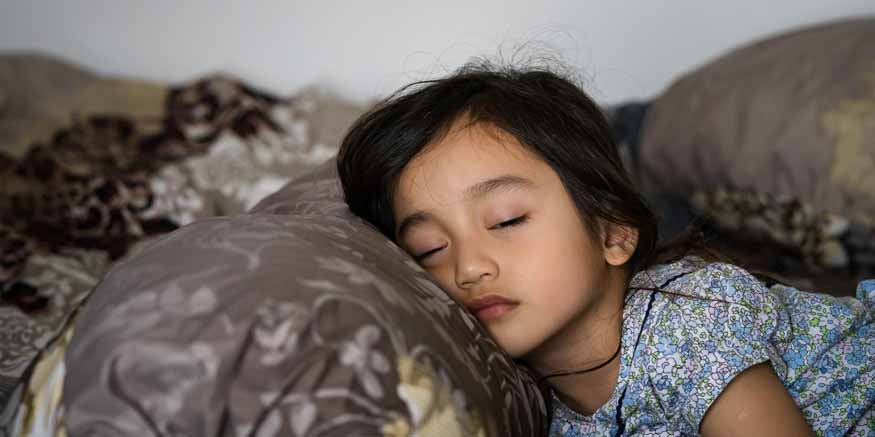
During holiday breaks, bedtimes often creep in later, and wake-ups shift. A few days before returning to school, gradually adjust bedtime and wake-up times to align with regular preschool hours. Moving the sleep schedule by small increments (10–15 minutes) each night makes waking up more manageable and less stressful. Combining a consistent bedtime with calming pre-sleep activities, such as reading a favourite book, gentle music, or soft lighting, helps signal to preschoolers that it’s time to wind down.
Reinforce Morning Rituals
Practice preschool-related routines such as getting dressed, brushing teeth, and eating a balanced breakfast before school starts. You can make this practice fun by using visual checklists or by having children help prepare their clothes and pack their backpacks the night before. Visual schedules with pictures of morning steps, such as “wake up,” “brush teeth,” and “eat breakfast”, help preschoolers anticipate what comes next without needing constant reminders. Visual cues anchor their understanding and build independence.
Communication and Emotional Support
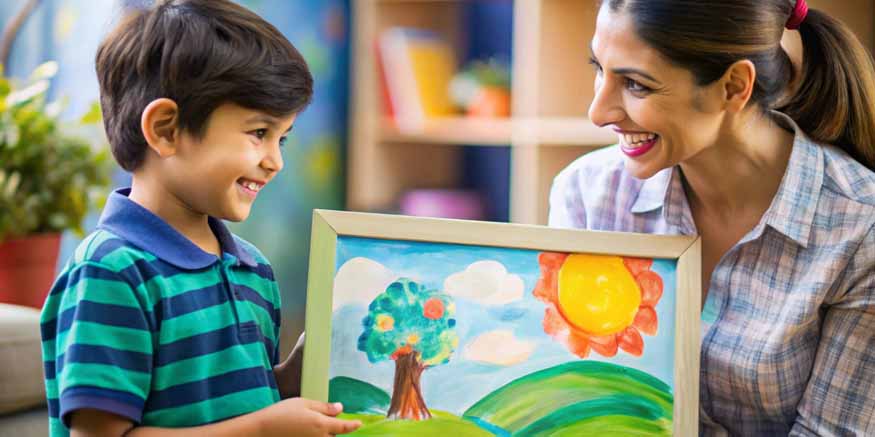
Transitions can trigger feelings of anxiety or resistance in preschoolers. Talking with children about their feelings and expectations helps them process change. As a parent, it is crucial to acknowledge both excitement and concerns and to reinforce the positive aspects of returning to preschool, such as seeing friends, engaging in favourite activities, or having special learning time. Let your child know routines are returning because they help their bodies and minds prepare for learning and play, and not because the adults are “being strict.”.
Daily Routine Tips for Preschoolers
Morning Routine
Mornings set the tone for the day. A reliable preschool routine tip involves establishing a gentle but consistent sequence:
- Wake up at the same time each day.
- Wash up and brush teeth.
- Enjoy a nutritious breakfast together.
- Dress up for school.
- Review the day’s plan (for example, “Today we’ll paint, play, and have story time!”).
Encourage your child to take small, independent steps, such as putting on shoes or carrying their water bottle, to build confidence and responsibility.
Learning and Play Time
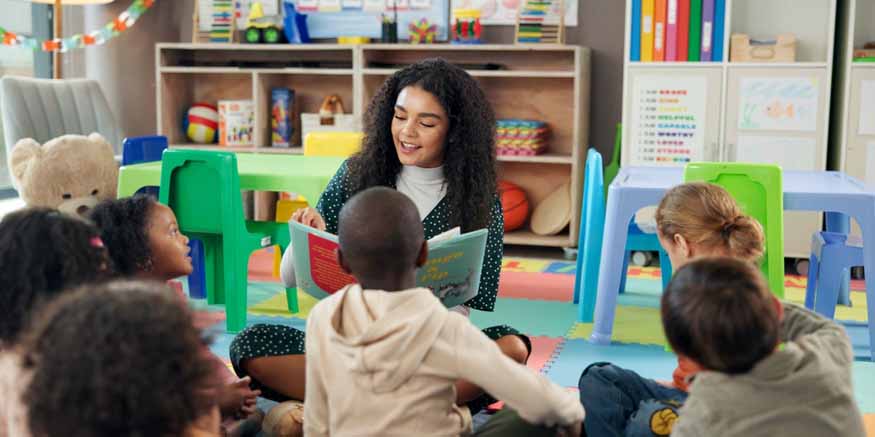
After settling back into school or at home, incorporate learning activities such as storytelling, puzzles, counting games, and free play. Unstructured play supports creativity, while short, focused activities improve attention and cognitive skills. Preschoolers benefit most from a balanced routine that includes both play and gentle learning.
Mealtimes and Hydration
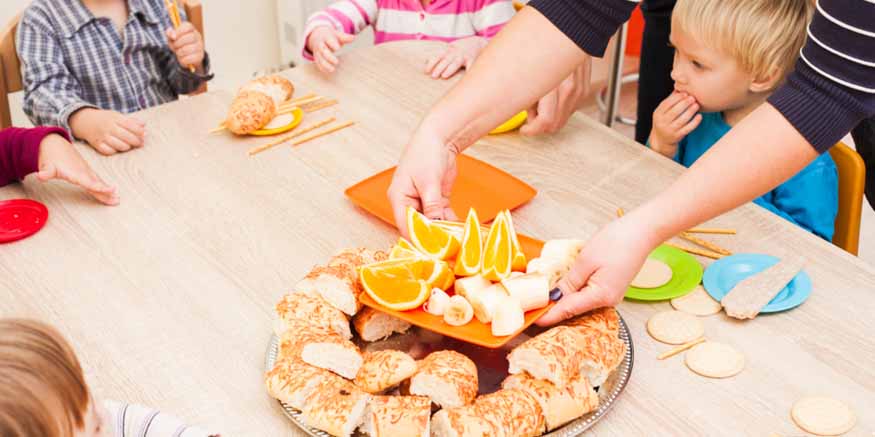
Holiday breaks often disrupt typical meal patterns. Reintroduce regular eating times with balanced meals that include grains, fruits, vegetables, and protein. Hydration throughout the day supports concentration and overall health. A predictable pattern helps preschoolers feel secure and understand expectations.
Physical Movement
Physical activity is essential for emotional regulation and healthy growth. Ensure opportunities for movement through outdoor play, jumping games, simple yoga stretches, or dancing, even after returning from festivities. Physical activity also helps children release pent-up energy and focus better on routines.
Evening and Bedtime Rituals
Since good sleep supports brain development and behaviour in young children, consistent evening routines are crucial. Calm, predictable activities such as a warm bath, snuggling with a book, and quiet conversation help signal bedtime and ease sleep transitions.
Back to School After Holidays: Practical Tips
For parents and caregivers preparing children for back to school after the holidays, consider these strategies:
Create a Countdown or Practice Day
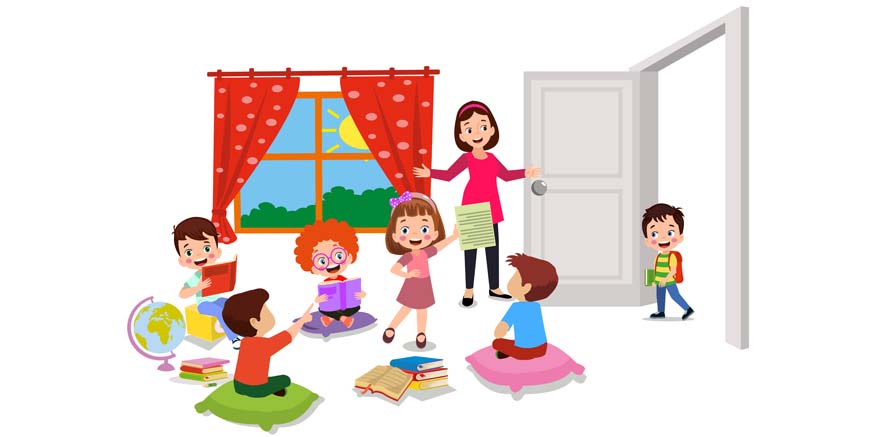
Helping children rehearse the school routine at home, such as practising a full school day, helps them familiarise themselves with expected routines. Doing this a day or two before school reduces uncertainty.
Connect with Teachers
Open communication with preschool teachers helps parents understand classroom routines, expectations, and any changes introduced this year. This partnership makes it easier to align the home and school environments, thereby reinforcing consistency for children.
Reinforce Social Skills
After holidays, preschoolers may need reminders about cooperative play, taking turns, sharing, and classroom behaviour. Simple games that emphasise these social skills gently prepare them for structured interactions.
Support Emotional Readiness
Some preschoolers may feel shy, anxious, or reluctant to return. Reassure them with positive language, comfort, and excitement about special preschool events or activities. Celebrate small successes. Encouraging preschoolers to wake up on time or pack their school bags independently should be incentivised to build confidence.
Early Childhood Parenting and Routine
Supporting children’s routines is a fundamental part of early childhood parenting. UNICEF’s guidelines emphasise the importance of structured days and responsive caregiving for children’s growth, noting that routines around sleep, nutrition, play, and learning nurture developing brains and emotional well-being. Back-to-school routines aren’t about strict rigidity. Instead, they create an environment where preschoolers feel safe, understood, and ready to engage with their world. Predictability helps children regulate emotions, reduces stress, and supports learning readiness, which are key goals for early childhood development.
Adapting Routines to Your Family Culture
In India, families often spend significant time together during holidays, with extended relatives, cultural celebrations, and varied sleep routines. While this is joyous, the shift back to regular child routines may take patience. Integrating cultural rhythms, such as family mealtime conversations or post-school quiet time for storytelling, can enrich routine transitions and reinforce a sense of belonging and continuity. Parents can honour both festive memories and new goals by encouraging preschoolers to share favourite holiday moments, then blending those experiences with structured days that include learning, play, and rest.
Tips for Success
Here are some preschool routine tips to keep transitions smooth:
- Begin early:
Start resetting sleep and waking schedules days before school resumes.
- Use visual aids:
Charts and pictures help children internalise expectations.
- Celebrate small wins:
Positive reinforcement motivates adherence to routines.
- Be consistent but flexible:
Routine stability is essential, but occasional flexibility prevents stress.
- Include play and learning:
Balanced routines integrate both joy and structure.
We at Mother’s Pet Kindergarten think that any festive holiday season offers precious memories and rest, but returning to childlike routines afterwards is also vital to helping preschoolers feel secure, confident, and ready for learning. With thoughtful preschool routine tips, gradual adjustments, and open communication, families can transform transitions from stressful to supportive. Re-establishing routines supports not just school readiness but early childhood parenting goals of emotional resilience, healthy habits, and overall well-being. By focusing on predictability, involvement, and positive reinforcement, parents and teachers can make back-to-school a calm, joyful experience.




Recent Comments