Curriculum & Methodologies

Next Chapter in early childhood learning
For over four decades, Mother’s Pet Kindergarten has shaped early years education in Nagpur, setting benchmarks that many continue to follow. As our understanding of how young children learn continues to evolve, we saw an opportunity to deepen and enrich our approach to early childhood learning.
Over the past few years, our curriculum experts and experienced educators carefully reviewed existing practices, studied global early childhood research, and observed how children engage with learning today. The result is Curriculum 2.0 — a richer, more integrated learning framework that blends our trusted methods with contemporary pedagogical practices.
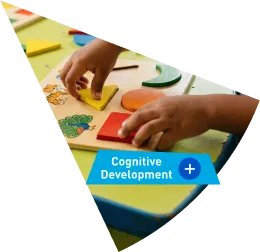
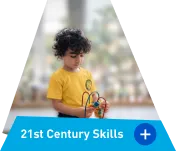
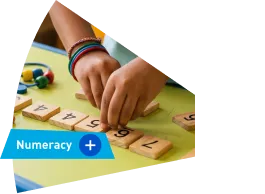
This curriculum brings together powerful approaches such as inquiry-based learning, makers and tinkering experiences, design thinking, creative exploration, collaboration, and problem-solving, allowing children to learn through meaningful experiences.
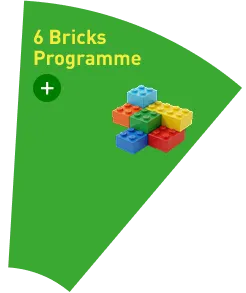
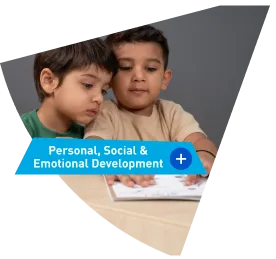
With Curriculum 2.0, classrooms at Mother’s Pet Kindergarten now integrate thoughtfully curated global programmes — from Ateliers inspired by Reggio Emilia, Italy, to Social Emotional Learning frameworks from Germany, the 6 Bricks programme by the LEGO Foundation, and the global Makerspace movement.
These programmes are not add-ons. They are woven into everyday classroom experiences where children explore, question, build, create, and reflect.
The result: children who grow into curious thinkers, confident communicators, creative problem-solvers, and lifelong learners — prepared not only for school, but for life.
At the same time, Curriculum 2.0 brings greater clarity and visibility for parents, helping them better understand their child’s learning journey and the skills being developed at every stage.
At Mother’s Pet Kindergarten, Curriculum 2.0 honours every child’s curiosity, individuality, and potential.
Key Inclusions of Curriculum 2.0

Our Learning Approaches

Core Learning Areas

Our Global Programmes








Powered by Lighthouse Learning
Call : +91 9391655555
Our Branches
Quick Links
Our Network: