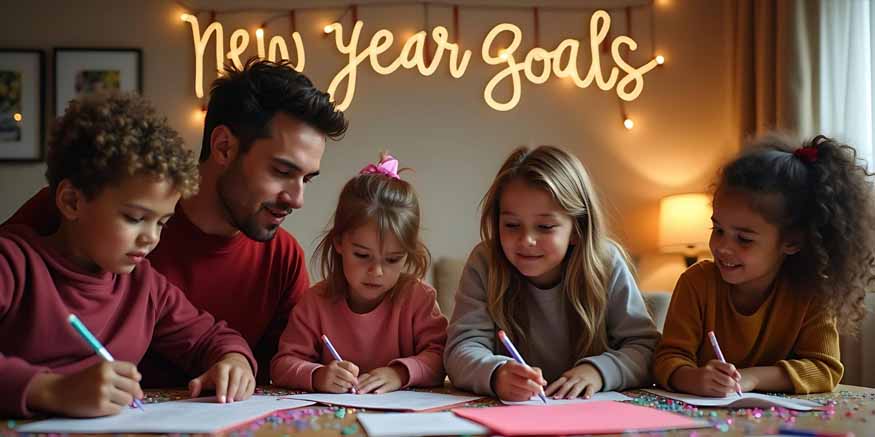
For preschoolers in India, the New Year brings not only fresh calendars but also the perfect opportunity to reset learning goals, and this is an excellent time to introduce meaningful learning activities that build early childhood development, confidence, and curiosity. With age-appropriate projects and educational games kids will love, parents and teachers can help little learners begin 2026 on a strong and joyful note. Let us explore some creative classroom ideas, home activities, and play-based learning strategies that resonate with young children that combine fun with learning in ways that reflect India’s rich cultural and educational contexts. Whether you’re guiding kids through storytelling circles, problem-solving challenges, or festive projects, these activities support holistic development, setting preschoolers up for success all year long.
Why New Year Learning Activities Matter
Starting the New Year with purpose helps children transition from holiday routines back into structured learning while keeping their natural curiosity alive. For preschoolers, new year activities are not about rigid schedules but about engaging, playful experiences that nurture key developmental domains: cognitive, social, emotional, and motor skills. The philosophy of play-based learning is widely embraced in early childhood education across India, from private preschools in metropolitan areas to government-supported Balvatikas, with the aim of enhancing playful learning environments. These initiatives support joyful, developmentally appropriate activities such as storytelling, role-play, and creative competitions to prepare young learners for formal education. Research in early education shows that hands-on activities help children form neural connections essential for lifelong learning, and starting them early, especially at the start of a New Year, reinforces a positive learning rhythm that children carry forward.
Key Areas of Early Childhood Development
Before diving into activities, it’s helpful to understand what preschool learning aims to support:
- Cognitive skills: counting, matching, pattern recognition, problem solving
- Language and communication: listening, speaking, vocabulary building
- Social and emotional skills: cooperation, sharing, self-confidence
- Motor development: fine and gross motor coordination
These foundational skills emerge naturally through thoughtful educational games kids love, from puzzles and block play to rhythm activities and sensory stations.
Creative Classroom Activities
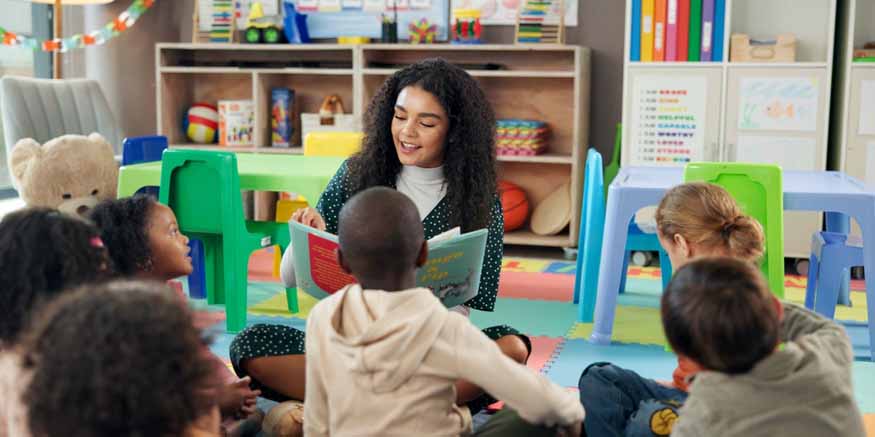
1. Storytelling and Discussion Circle
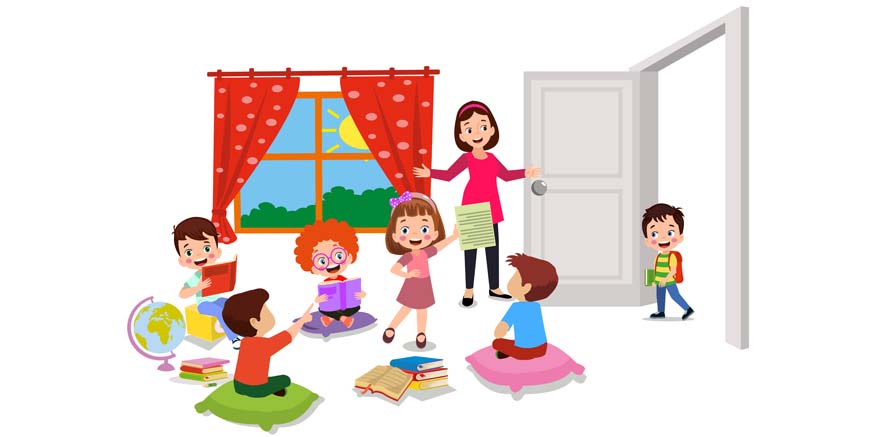
A storytelling circle is a powerful learning activity that preschools can start the year with. Gather children in a circle and read a story aloud. Ensure that you choose books that reflect hope, kindness, or new beginnings. After reading, encourage kids to:
- Predict what might happen next
- Share their favourite part
- Act out a scene
This boosts language development, listening skills, and confidence. Storytelling also encourages empathy and imagination, which are key parts of early childhood development. Pro Tip: Integrate stories from Indian culture and festivals to connect learning with tradition.
2. Shape and Pattern Hunts
Introduce a fun new year activity by hiding coloured shapes around the classroom or home. Children search for shapes and then sort them into patterns or sequences. This helps develop:
- Shape recognition
- Sorting and categorisation
- Math readiness skills
You can theme this activity around “2026 shapes” to give it a delightful New Year twist.
3. Musical Movement Games
Games that combine music with movement, such as musical chairs or rhythm walks, are excellent educational games that children enjoy. Use lively songs or rhymes and let children move to the beat, stop when the music stops, or follow movement prompts. These activities improve:
- Gross motor skills
- Body coordination
- Listening and impulse control
Movement games also offer a joyful start to the year, making learning both active and memorable.
Educational Games That Inspire Learning
4. Memory Matching Games
Memory games are powerful tools for building attention, observation, and recall, all of which are components of cognitive development. Using picture cards (animals, fruits, or festival symbols), lay them face down and let children take turns flipping two at a time to find matches. This simple educational game will:
- Improve focus
- Strengthen short-term memory
- Enhance turn-taking and patience
You can even theme memory cards around Indian festivals or seasonal objects to make the game culturally relevant. For example, symbols from prominent Indian festivals such as Diwali, Rakshabandhan, Holi, Christmas, Onam and Dussera can be used to teach children about the importance of India’s diversity.
5. Block and Building Play
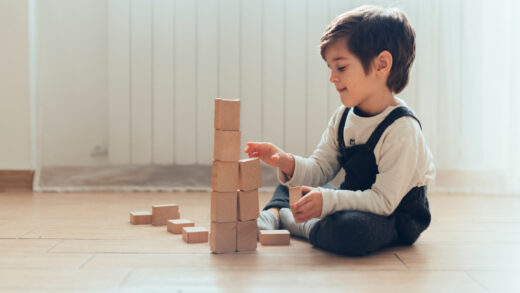
Building with blocks, whether wooden, foam, or recycled materials, stimulates imagination and problem-solving. Challenge preschoolers to create structures with constraints like “build the tallest tower” or “make a bridge.” Not only does this support spatial awareness, but it also nurtures teamwork when children collaborate on building tasks. Block play also correlates with early math and engineering thinking, while reinforcing new-year activities that feel like play. Take a look at how Troy Building Blocks helps achieve this purpose.
6. Sensory Stations and Art Exploration
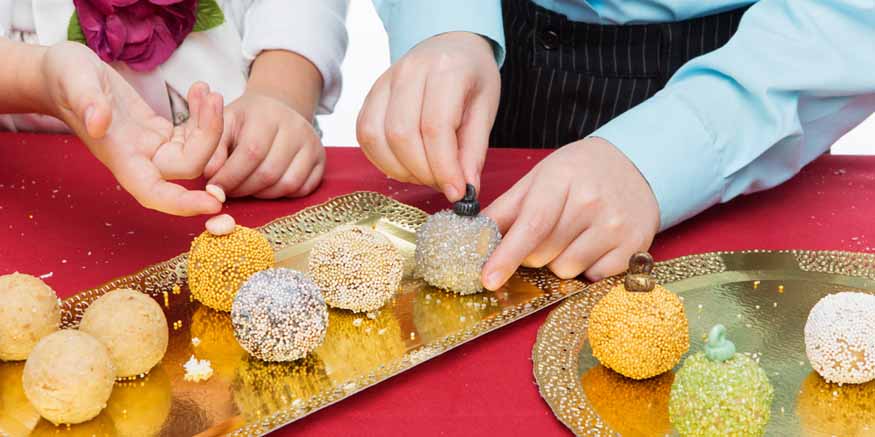
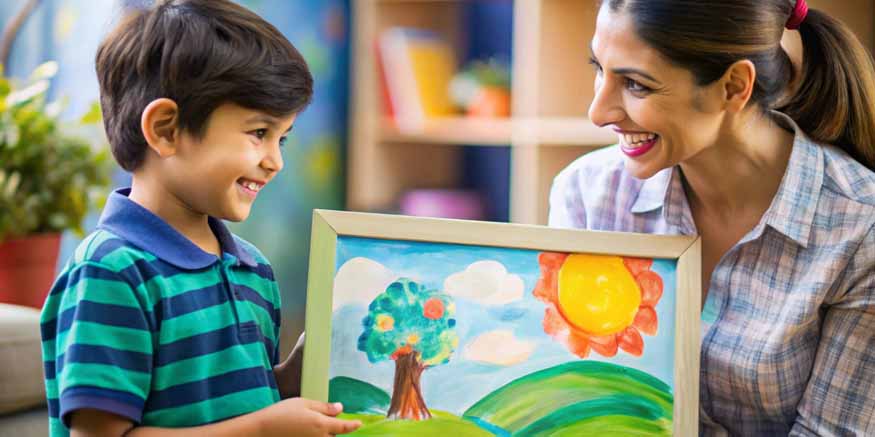
Sensory activities involving water, sand, fabric, rice, or beads help children engage their senses while learning key concepts like texture, volume, and size. Sensory play sparks curiosity and creativity, ideal for preschoolers as they start a new learning journey. Combine sensory stations with art projects such as finger painting, collage-making, or clay modelling. These invite expression and enhance fine motor skills, both of which are crucial for writing readiness and artistic development.
Outdoor and Nature-Based Activities
7. Nature Walk and Observation Journals
If the weather permits, take the kids outdoors. You will be amazed at how even a small garden or park walk can be rich in discovery. Encourage children to observe:
- Leaves and flowers
- Birds or insects
- Weather changes
Provide a simple journal (with drawings or stickers) where children record their findings. This outdoor learning activity helps preschoolers build:
- Observation skills
- Environmental awareness
- Curiosity about the world
Exploring nature fosters a sense of wonder and ties into holistic growth recommended by early education frameworks.
8. Traditional Indian Outdoor Games
Celebrate physical activity by introducing children to classic Indian games such as Kho Kho, Hopscotch (Stapu), or Langdi. These activities enhance gross motor coordination and social skills, such as cooperation and rule-following.
Parent and Teacher-Led Learning Moments
9. Everyday Math in Routine Tasks
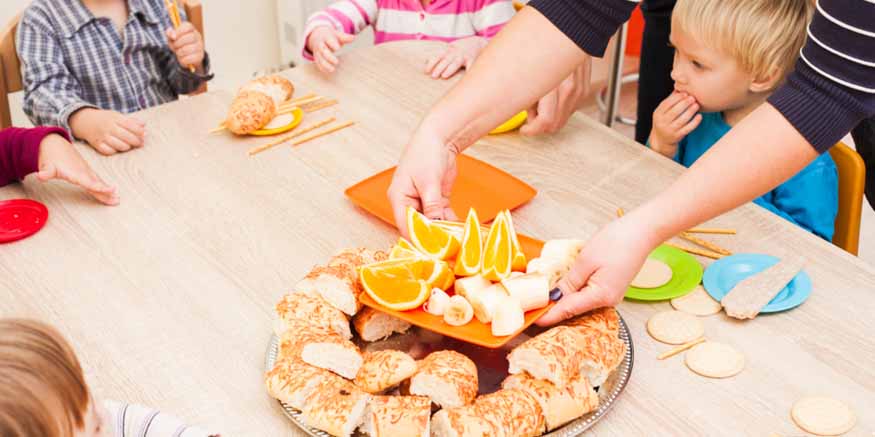
Incorporate math concepts naturally into daily routines. During snack time, ask questions like:
- “How many apples do we have?”
- “Can you divide the snack into two groups?”
Small conversations like these nurture early number sense and reinforce math in a practical, stress-free way.
10. Self-Help Skill Routines
Encourage early childhood development through self-help and life-skills activities such as:
- Washing hands properly
- Picking up toys
- Setting the table
These routines build independence, confidence, and personal responsibility, and these are essential developmental milestones for preschoolers.
Integrating Cultural Contexts
In India, the New Year often coincides with diverse festivals, including Makar Sankranti, Ugadi, and Puthandu, across regions. These cultural celebrations offer opportunities to blend learning with heritage:
- Craft regional symbols and motifs
- Explore traditional dances or music
- Read stories connected to local festivals
Integrating cultural contexts into new year activities enriches children’s global awareness and respect for diversity.
Planning New Year Learning Themes
To sustain engagement beyond the first week of January, consider monthly or weekly themes such as:
- January: Winter Exploration & Weather
- February: Community Helpers
- March: Colours and Seasons
- April: Nature and Plants
- …and so on.
Themes help structure activities while giving children something familiar to anticipate and explore across subjects.
Measuring Progress in Preschool
Unlike formal schooling, preschool isn’t about grades. Progress is observed through:
- Increased participation
- Enhanced communication
- Willingness to try new activities
- Social interactions with peers
Parents and teachers should celebrate milestones, however small, to nurture confidence and motivation. A child who can proudly count to ten or tell a story to the group is making meaningful progress.
Tips for Parents and Educators
To make learning activities in preschool truly effective:
- Be patient and playful: Let children lead exploration.
- Incorporate spontaneity: Celebrate discoveries, even unplanned.
- Use everyday moments: Learning can happen during household routines.
- Create a safe learning space: Encourage expression without judgment.
Starting 2026 with Confidence
From educational games to arts, outdoor explorations, and everyday math moments, Mother’s Pet Kindergarten believes that these activities support early childhood development in joyful, meaningful ways. Integrating creativity, culture, and curiosity into learning ensures that preschoolers start 2026 with confidence, enthusiasm, and a love for discovery. By incorporating diverse, playful New Year activities, adults can nurture children’s natural desire to learn, setting the foundation for success in school and in life. Here’s to a year of joyful learning ahead!



Recent Comments