

The New Year is a time for fresh beginnings, joyful celebrations, and setting intentions that guide us into the months ahead. While adults often set personal or professional goals at the turn of the year, this festive moment also offers a valuable learning opportunity for New Year’s resolutions.
For preschoolers, simple goals can inspire goal-setting practices, build confidence, and encourage healthy habits that support long-term development. In India, where the New Year is celebrated alongside cultural traditions such as Ugadi in the South, Gudi Padwa in Maharashtra, and Baisakhi in Punjab, the start of January is another opportunity to reflect on the past year and look ahead with hope. Integrating New Year ideas into family and classroom routines encourages young children to embrace positive routines and celebrate cultural diversity. Let us explore some age-appropriate resolutions, practical ways to introduce them, and tips for parents and teachers to make goal-setting both meaningful and fun for preschoolers in an Indian context.
Why New Year’s Resolutions Matter for Preschoolers
Setting New Year’s resolutions helps introduce the concept of goal-setting to preschool children in a way that’s simple, achievable, and developmentally appropriate. Although preschoolers are young, they can begin to understand the idea of making small, positive changes, especially when they are framed as fun New Year’s ideas that improve daily life. Establishing gentle routines or goals can support early growth in key areas, including self-help skills, emotional understanding, and social behaviour. According to early childhood development frameworks, such as the Indian government’s NIPUN Bharat initiative, cultivating healthy habits in children early, from hygiene practices to social interactions, lays the foundation for lifelong well-being and learning. New Year’s resolutions for preschoolers are not about strict rules but about developing awareness, consistency, and a sense of accomplishment that boosts self-esteem.
Understanding Goal Setting with Preschoolers
Goal setting for young children should be simple, tangible, and relatable. Unlike adults who may set year-long or abstract goals, preschoolers benefit from specific, achievable, and visual ones. Experts note that when children participate in setting their objectives, they develop a sense of ownership and are more engaged in pursuing them. Simple goals such as “wash hands before meals” or “say ‘please’ and ‘thank you’” are effective ways to introduce goal-oriented thinking. In India’s diverse classrooms, integrating familiar cultural practices, such as washing hands before accepting a prasad or setting a table together during family meals, adds context and meaning to these resolutions.
New Year’s Resolutions Ideas for Preschoolers
Here is a range of New Year’s ideas for preschoolers, tailored to their developmental stage and everyday Indian life.
1. Practice Good Hygiene Every Day
Simple, healthy habits for children, such as washing hands before eating, brushing their teeth twice a day, and covering their mouths when they cough, are easy for preschoolers to understand and practise. Parents can turn this into a fun routine with songs or visual charts in the bathroom and kitchen.
2. Read Together Every Day
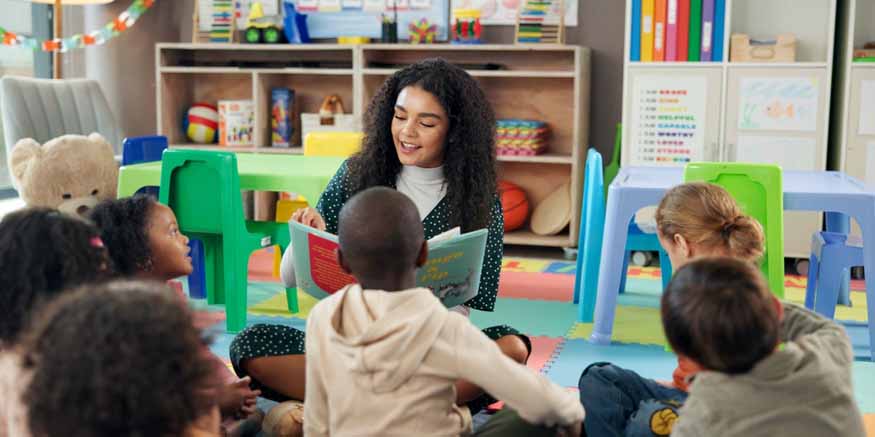
Whether it’s a story from a beloved children’s novel or a favourite picture book before bedtime, creating a daily reading routine fosters language development, listening skills, and imagination. Reading together can be framed as a shared goal to look forward to each day.
3. Be Kind and Helpful
A resolution to “be kind” can include helping a classmate share toys, offering a seat to someone older at home, or giving a cheerful greeting, such as “namaste,” to family members and neighbours. Kindness goals help children develop empathy: a core social skill that supports strong relationships throughout life.
4. Eat One Healthy Snack Every Day
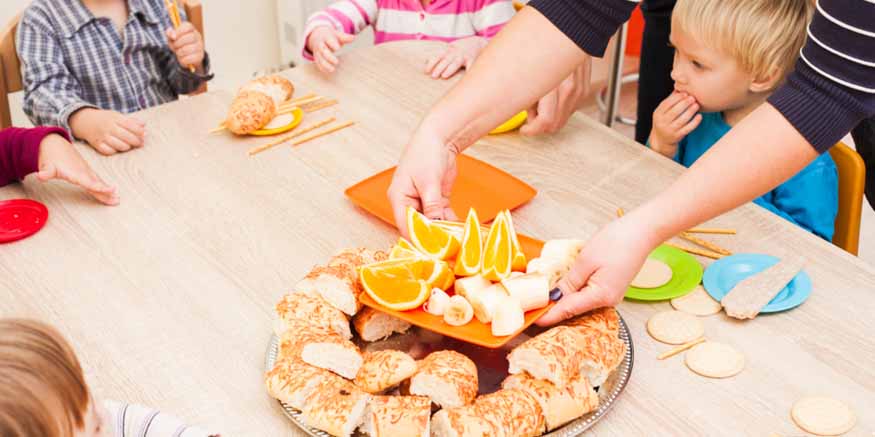
Encouraging children to choose at least one fruit or vegetable snack daily builds healthy habits and makes mealtimes a learning experience. Parents can make this fun by asking children to choose the snack’s colours or help prepare it.
5. Play Outside Every Day
Fresh air and physical movement are essential for growing bodies. A simple resolution, such as “play outside for 15 minutes,” encourages active play and reduces screen time, thereby supporting both physical and mental health.
6. Clean Up Toys After Playtime
A goal like “I will put away my toys after playing” teaches responsibility, organisation, and respect for personal space: essential life skills for preschoolers. Turning this into a game (like a “tidy-up race”) makes it enjoyable rather than a chore.
7. Try Something New
Encourage children to explore a new activity or hobby, whether making a simple craft, watering plants, or learning a short rhyme in a different language. Trying new things helps build confidence and curiosity. These are core aspects of goal setting for preschool children.
How to Support Preschool Resolutions
Helping preschoolers stick to their resolutions means keeping goals manageable, positive, and integrated into daily life.
1. Make Goals Visual
Creating colourful charts or resolution trees where children can place stickers or drawings next to their goals provides a daily reminder and a visual sense of achievement.
2. Family Involvement
Children look to adults as role models. When families set their own New Year’s resolutions alongside their children’s goals, such as reading together, eating healthy, or taking nightly walks, it reinforces the behaviour and turns goal-setting into a shared practice.
3. Celebrate Small Wins
Small achievements deserve celebration. Praising children for consistent hygiene routines or for greeting family members politely encourages them to take pride in their efforts and builds confidence.
4. Use Simple Language
When discussing goals, use language preschoolers can grasp. For instance, instead of saying “increase physical activity,” say “play your favourite game outside.” This makes resolutions relatable and easier to integrate into routine.
Bringing Resolutions into Indian Festive Traditions
In India, the New Year varies across regions: early January may coincide with local festivals such as Makar Sankranti, Uzhavar Thirunal, or Puthandu. These celebrations often include traditions focused on gratitude, new beginnings, and community. Parents and teachers can integrate New Year’s resolutions into these cultural celebrations by linking goals to festival rituals. For example, taking time to wish elders (by doing ‘pranam’ or ‘namaste’) or helping prepare traditional meals together as a family. This approach reinforces the idea that positive habits are part of everyday life, not just something confined to January 1.
Advice for Parents and Teachers
For adults guiding preschoolers through goal-setting, patience and encouragement are key. Resolutions should be achievable and fun, not a source of stress or pressure. Start with one or two simple goals and revisit them regularly. Involving children in activities such as greeting elders respectfully, caring for plants and animals, or cleaning up after festivities helps anchor goals in familiar practices and makes them more meaningful. Parents and teachers can hold regular “resolution check-ins” with children, celebrating successes and gently adjusting goals if needed. This teaches them flexibility, resilience, and that growth is a continuous journey.
Turning Resolutions into Lifelong Habits
Mother’s Pet Kindergarten believes that the broader aim of introducing New Year resolutions for kids is not just to mark January 1 on the calendar, but to nurture lifelong learners who understand goal-setting as a path to personal growth and well-being. As children practise thoughtful habits, from saying “thank you” to trying healthy snacks, reading daily, or helping at home, they develop patterns that support emotional health, social skills, and confidence. Goal setting in preschool is an investment in a child’s future: it teaches persistence, pride in achievement, and the joy of learning and growing together


Recent Comments