
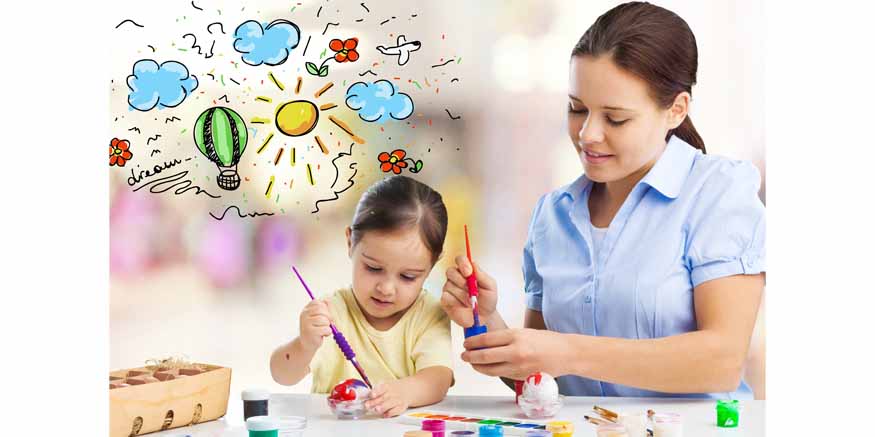
As parents, we often celebrate our child’s first words, first drawings, and first academic achievements. However, some of the most important growth during the early years happens quietly beneath the surface. A child learning to express feelings, make friends, try something new independently, or recover from disappointment is developing skills that will support them throughout life. This is why the emotional intelligence that kids develop during the preschool years is just as important as academic learning. Through carefully designed confidence-building activities, meaningful emotional learning, and nurturing experiences that support social-emotional development, nursery education helps children aged 3 to 4 build the confidence and resilience they need to thrive.
Why Emotional Development Matters During the Nursery Years
Between the ages of three and four, children experience significant emotional growth. They begin to understand their feelings, recognise emotions in others, and develop the ability to interact in social settings.
At this age, children are learning how to:
- Express emotions appropriately
- Build friendships
- Manage frustration
- Develop empathy
- Follow routines
- Adapt to new situations
A best nursery school understands that emotional growth forms the foundation for successful learning and healthy relationships.
When children feel emotionally secure, they are more likely to participate, explore, communicate, and learn confidently.
Understanding Emotional Development in 3–4 Year Olds
Every child develops at their own pace, but there are several common emotional milestones during this stage.
Children may begin to:
- Show affection towards friends
- Express preferences clearly
- Understand simple rules
- Seek independence
- Develop self-awareness
- Experience strong emotions more frequently
Parents may also notice occasional emotional ups and downs as children learn how to navigate feelings such as excitement, disappointment, frustration, pride, and nervousness.
These experiences are a natural and important part of healthy social-emotional development.
Why Confidence Is So Important During Early Childhood
Confidence is not something children are born with. It develops gradually through positive experiences, encouragement, and opportunities to succeed.
Confident children are more likely to:
- Try new activities
- Participate in group settings
- Communicate openly
- Solve problems independently
- Build friendships
- Adapt to challenges
A nurturing nursery school provides daily opportunities for children to experience success in ways that feel meaningful and age-appropriate.
These experiences create a strong emotional foundation that benefits children throughout their educational journey.
How Nursery Helps Children Build Emotional Security
For many children, nursery is their first regular experience away from home.
This transition helps children gradually develop:
- Independence
- Adaptability
- Self-confidence
- Trust in new adults
- Comfort in group environments
At Mother’s Pet Kindergarten, children are welcomed into a warm and supportive environment where teachers understand the emotional needs of young learners.
Predictable routines, caring relationships, and positive reinforcement help children feel safe and secure.
Emotional security is often the first step towards confidence.
The Role of Emotional Learning in Early Childhood
Emotional learning refers to the process of understanding, expressing, and managing emotions effectively.
In a quality nursery school, children learn:
- How to identify feelings
- How to communicate emotions
- How to understand others’ perspectives
- How to resolve conflicts peacefully
- How to respond to challenges positively
These lessons often happen naturally through daily interactions rather than formal instruction.
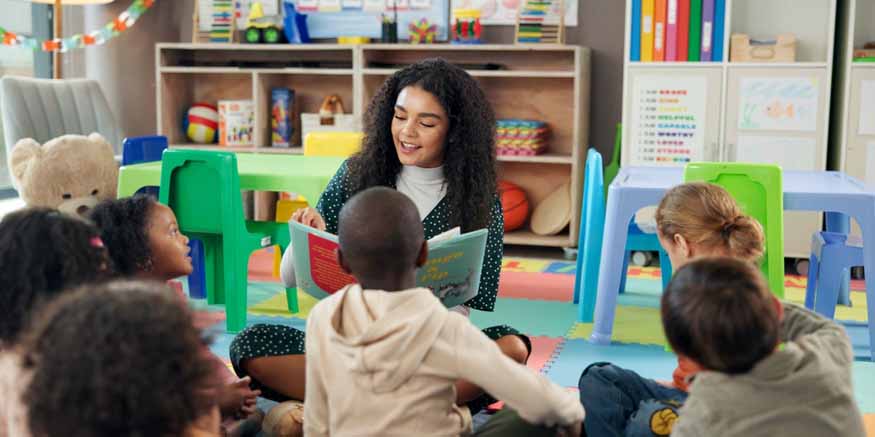
Storytelling, role-play, discussions, and group activities all contribute to meaningful emotional growth.
How Teachers Support Emotional Intelligence in Kids
Developing emotional intelligence in kids begins with supportive relationships.
Teachers help children:
- Name their emotions
- Express feelings appropriately
- Understand social situations
- Practise empathy
- Build self-confidence
For example, when a child feels upset because a toy is unavailable, teachers guide them through the experience rather than immediately solving the problem.
These small moments help children develop emotional awareness and resilience.
Experienced educators understand that emotional skills require patience, encouragement, and practice.
Confidence Building Activities That Support Emotional Growth
Many everyday nursery experiences act as powerful confidence-building activities.
Circle Time Participation
When children share ideas during group discussions, they learn that their voices matter.
Storytelling Sessions
Retelling stories helps children build confidence in communication.
Creative Arts
Drawing, painting, and craft activities encourage self-expression without fear of failure.
Music and Movement
Songs and action activities help children participate confidently in group settings.
Role Play
Pretend play allows children to explore emotions, communication, and social situations safely.
These experiences help children discover their abilities while building self-belief.
Why Social Emotional Development Is Connected to Learning
Academic success and social-emotional development are closely connected.
Children who feel emotionally secure are more likely to:
- Focus on activities
- Follow instructions
- Participate actively
- Communicate with teachers
- Build positive relationships
When emotional needs are supported, learning becomes more effective and enjoyable.
This is why leading early childhood educators view emotional development as an essential part of school readiness.
Helping Children Develop Independence
Independence is an important contributor to confidence.
In a nurturing nursery school, children gradually learn to:
- Carry their belongings
- Make simple choices
- Complete small tasks independently
- Follow routines
- Solve minor problems
Each successful experience reinforces a child’s belief in their own abilities.
Over time, these small accomplishments contribute to stronger self-esteem.
Learning to Build Friendships
Friendships are an important part of emotional development during the nursery years.
Children begin learning how to:
- Share
- Cooperate
- Take turns
- Resolve disagreements
- Understand others’ feelings
Positive peer interactions support both emotional learning and communication development.
Children who feel accepted and connected often develop greater confidence in social situations.
Helping Children Manage Big Emotions
Young children often experience strong emotions that can feel overwhelming.
A quality nursery school helps children develop healthy emotional regulation strategies.
Teachers may encourage children to:
- Talk about their feelings
- Take calming breaths
- Seek support when needed
- Use words instead of aggression
Learning how to manage emotions is an important part of developing the emotional intelligence kids need throughout life.
How Indian Parents Can Support Emotional Development at Home
Parents play a critical role in strengthening emotional skills outside school.
Helpful strategies include:
Encourage Open Conversations
Allow children to talk about their feelings without judgement.
Acknowledge Emotions
Validate emotions even when behaviour needs correction.
Celebrate Effort
Focus on effort and progress rather than perfection.
Read Stories Together
Books help children explore emotions and social situations.
Provide Opportunities for Independence
Allow children to complete simple tasks on their own.
These habits complement the emotional growth children experience in a nursery school environment.
Common Mistakes Parents Should Avoid
While supporting emotional development, it is helpful to avoid:
- Comparing children
- Solving every problem immediately
- Criticising mistakes harshly
- Expecting perfect behaviour
- Dismissing emotions
Children build confidence when they feel supported, understood, and encouraged.
Patience is often one of the most valuable tools parents can offer.
Why Emotional Development Shapes Future Success
The confidence children develop during the nursery years often influences many aspects of later life.
Strong emotional foundations support:
- Academic engagement
- Communication skills
- Relationship building
- Problem-solving abilities
- Resilience during challenges
These qualities continue benefiting children throughout school and beyond.
This is why investing in emotional growth during early childhood is so important.
Why Parents Trust Mother’s Pet Kindergarten
For decades, Mother’s Pet Kindergarten has focused on nurturing the whole child rather than concentrating solely on academics.
The school encourages:
- Confidence building
- Creativity
- Communication
- Independence
- Emotional well-being
Its child-centred approach ensures that children receive the support they need to grow emotionally, socially, and intellectually.
Families seeking a trusted Nursery School in Nagpur often value the school’s commitment to helping children become confident, capable learners.
Final Thoughts
The nursery years are a powerful period of emotional growth. Through meaningful confidence-building activities, thoughtful emotional learning, and experiences that strengthen social-emotional development, children aged 3 to 4 begin developing the self-belief and resilience that support lifelong success. Building strong emotional intelligence in kids during early childhood helps them navigate relationships, challenges, and learning opportunities with confidence.
At Mother’s Pet Kindergarten, emotional development is woven into everyday learning experiences because confident children become curious learners and compassionate individuals. Parents exploring nursery school admissions or looking for the Best Nursery School in Nagpur can learn more in the admissions section and discover how the school helps children build strong emotional foundations for the future.






Recent Comments