One of the greatest gifts we can give a child is the ability to communicate with confidence. Every conversation, story, question, and song helps shape how children understand the world around them.
During the kindergarten years, children experience rapid growth in communication as they learn new words, express ideas, and interact with others. Strong vocabulary-building experiences lay the foundation for lifelong learning, while well-developed language skills support social, emotional, and academic success. By encouraging early literacy development through conversations, stories, and playful activities, parents can make word learning for kids a joyful part of everyday life.
Why Language Development Matters
Language is much more than speaking. It helps children:
- Think and reason
- Learn new concepts
- Build relationships
- Express emotions
- Solve problems
- Follow instructions
Children with strong language skills participate more confidently in classroom discussions, understand stories more easily, and communicate effectively with others. A quality kindergarten school recognises communication as a key part of early childhood development.
How Vocabulary Develops Naturally
Children build vocabulary through meaningful experiences rather than memorising word lists.
They learn new words when they:
- Listen to stories
- Ask questions
- Play with friends
- Explore new places
- Sing songs
- Join conversations
Repeated exposure in different situations helps children understand and use new vocabulary confidently.
Early Literacy Begins Before Reading
Many parents think literacy starts when children begin reading independently. In reality, early literacy development begins much earlier.
Children first learn to:
- Listen carefully
- Recognise sounds
- Understand stories
- Build vocabulary
- Express ideas
These foundational skills prepare them for future reading and writing.
The Power of Everyday Conversations
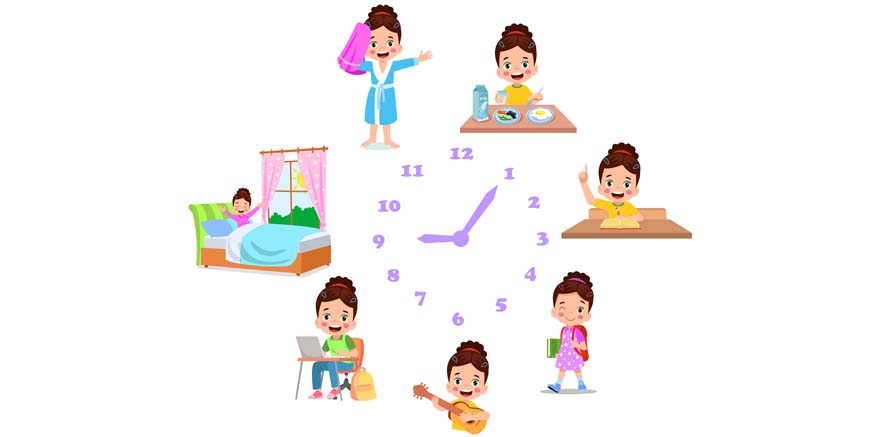
Some of the best language lessons happen during daily routines.
Conversations while eating, shopping, travelling, walking, or playing naturally expose children to new words.
Instead of asking questions that only require “yes” or “no” answers, encourage children to describe:
- What they see
- What they think
- How they feel
- What they imagine
These discussions build vocabulary and communication confidence.
Storytelling Builds Vocabulary
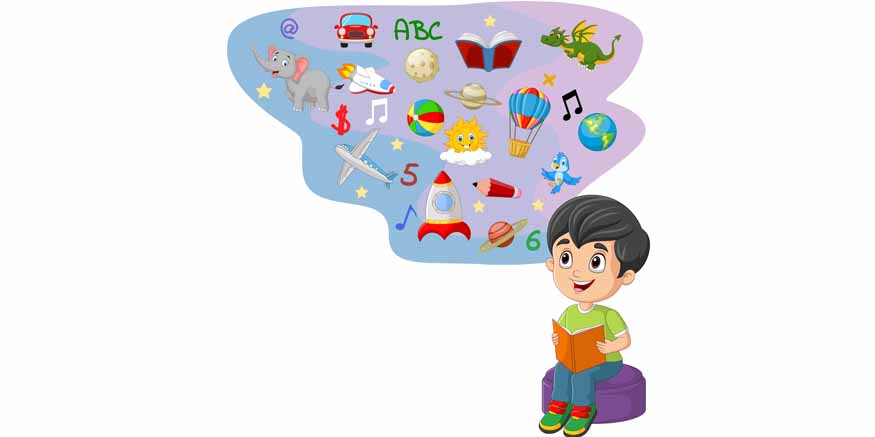
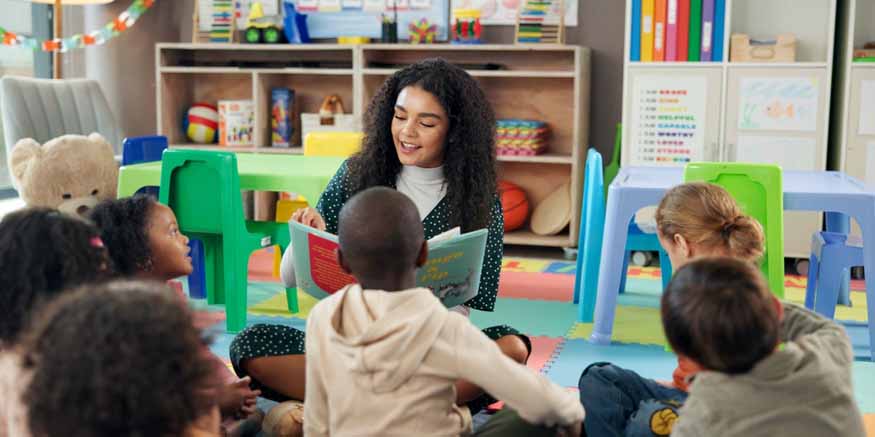
Reading together is one of the most effective ways to support vocabulary-building.
Storybooks introduce children to words they may not hear in everyday conversations while strengthening:
- Listening skills
- Imagination
- Memory
- Comprehension
- Communication
At Mother’s Pet Kindergarten, storytelling plays an important role in encouraging children to think, discuss, and express themselves confidently.
Learning Through Play
Play provides countless opportunities for kids to learn words.
Activities such as:
- Pretend play
- Puppet shows
- Role-playing
- Building games
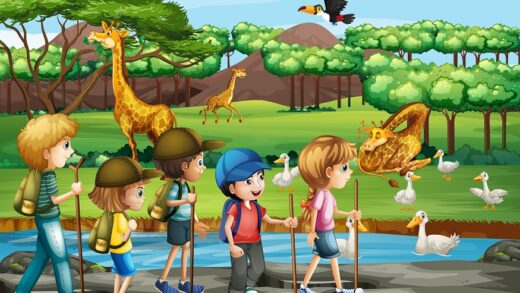
- Nature exploration
Introduce new vocabulary in meaningful contexts, making words easier to understand and remember.
Songs, Rhymes and Music
Music is another enjoyable way to strengthen language development.
Songs and rhymes help children:
- Learn new words
- Recognise sound patterns
- Improve pronunciation
- Build memory
Rhythm and repetition make vocabulary easier to remember while supporting early literacy development.
Encourage Rich Conversations
Open-ended questions encourage children to think and communicate more effectively.
Ask questions such as:
- What do you think happened?
- Why do you think that happened?
- How would you solve this problem?
- What might happen next?
These conversations help children organise their thoughts and express themselves more confidently.
Listening Matters Too
Communication is a combination of speaking and listening.
Children strengthen listening skills by:
- Listening to stories
- Following instructions
- Joining conversations
- Participating in group activities
Understanding language in context helps children build vocabulary naturally.
Building Confidence
Some children speak easily, while others need more time.
Confidence grows when children feel:
- Heard
- Respected
- Encouraged
- Supported
A positive classroom environment allows children to share ideas without worrying about making mistakes.
The Importance of Repetition
Children often ask to hear the same stories and songs repeatedly.
Repetition helps them:
- Understand meanings
- Remember new words
- Recognise language patterns
- Use vocabulary confidently
Every repeated reading strengthens language development.
Supporting Multilingual Families
Many Indian families speak more than one language at home, and this can be a valuable advantage.
Parents can support language development by:
- Speaking naturally in the home language
- Reading books in different languages
- Encouraging regular conversations
Rich communication matters more than limiting children to a single language.
Mistakes Parents Should Avoid
To encourage healthy language development, avoid:
- Correcting every mistake immediately
- Interrupting children while they speak
- Comparing vocabulary with other children
- Rushing conversations
- Relying only on screens for learning
Children learn language best through patient, meaningful interaction.
How Kindergarten Supports Vocabulary Development
A quality kindergarten school introduces vocabulary through:
- Storytelling
- Circle time
- Creative play
- Art activities
- Nature walks
- Music and movement
- Group discussions
Hearing and using words in different situations helps children develop strong communication skills.
Supporting Language at Home
Parents can reinforce classroom learning by:
- Reading together every day
- Having regular conversations
- Exploring parks, markets, and museums
- Encouraging children to ask questions
- Limiting passive screen time in favour of real interaction
These simple habits strengthen vocabulary while creating meaningful family experiences.
Interestingly, this growth often starts with nursery rhymes and their hidden developmental benefits.
Why Parents Trust Mother’s Pet Kindergarten
For more than four decades, Mother’s Pet Kindergarten has nurtured children’s communication skills through a child-centred approach.
The school focuses on:
- Language development
- Storytelling
- Creative expression
- Confidence building
- Social interaction
- Holistic learning
Its classrooms encourage children to communicate, explore, question, and grow with confidence. Families seeking kindergarten admission in Nagpur value the school’s commitment to developing confident communicators alongside capable learners.
Final Thoughts
Strong communication begins with meaningful vocabulary-building experiences that encourage curiosity, conversation, and confidence. By nurturing language skills, supporting early literacy development, and making word learning for kids a natural part of everyday life, parents can help children become thoughtful communicators and enthusiastic learners.
At Mother’s Pet Kindergarten, language development is woven into everyday classroom experiences through storytelling, conversations, creative play, and joyful learning. Parents exploring kindergarten admissions in Nagpur can visit the admissions page to learn how the school helps children develop confident voices and strong foundations for lifelong learning.


Recent Comments