As parents, we all want our children to enjoy learning rather than simply memorising facts. We hope they become curious thinkers, confident communicators, and independent learners who are excited to explore the world around them. This is one reason the Montessori method continues to be respected by educators worldwide.
Built around exploration, independence, and hands-on experiences, the Montessori kindergarten approach encourages children to learn at their own pace. At Kindergarten in Nagpur, the MPK teaching approach incorporates many principles of child-centred learning, creating an environment where every child is encouraged to discover, question, create, and grow with confidence.
What Is the Montessori Method?
Developed by Dr Maria Montessori, the Montessori method places the child at the centre of the learning process. It recognises that every child develops differently and has unique interests, strengths, and learning styles.
The Montessori philosophy encourages children to:
- Explore independently
- Learn through experience
- Build confidence
- Develop responsibility
- Solve problems
- Make thoughtful choices
The aim is to nurture lifelong learners who enjoy discovering new ideas.
Understanding Child-Centred Learning
At the heart of the Montessori method is child-centred learning, where education begins with the child’s developmental needs rather than a fixed teaching style.
Teachers create opportunities for children to:
- Explore
- Ask questions
- Experiment
- Investigate
- Discover solutions
Instead of simply providing answers, educators guide children towards meaningful learning experiences that encourage curiosity and active participation.
How the MPK Teaching Approach Reflects Montessori Principles
For decades, Mother’s Pet Kindergarten has focused on holistic early childhood education through a balanced and engaging approach.
The MPK teaching approach encourages children to:
- Learn through play
- Explore hands-on materials
- Build communication skills
- Develop social confidence
- Express creativity
- Become independent learners
While following its own educational framework, the school embraces many Montessori-inspired principles that promote exploration, confidence, and joyful learning.
Learning Through Hands-On Experiences
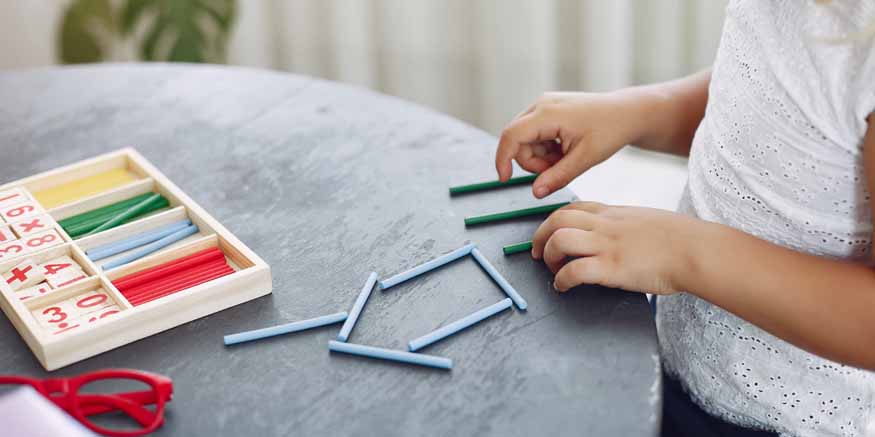
Young children learn best by doing. Teachers introduce concepts through activities children can see, touch, and explore.
These include:
- Sorting and matching activities
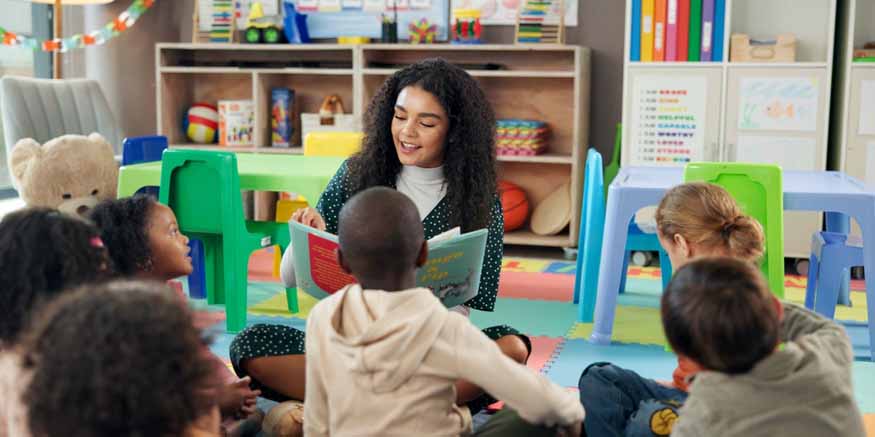
- Storytelling
- Nature exploration
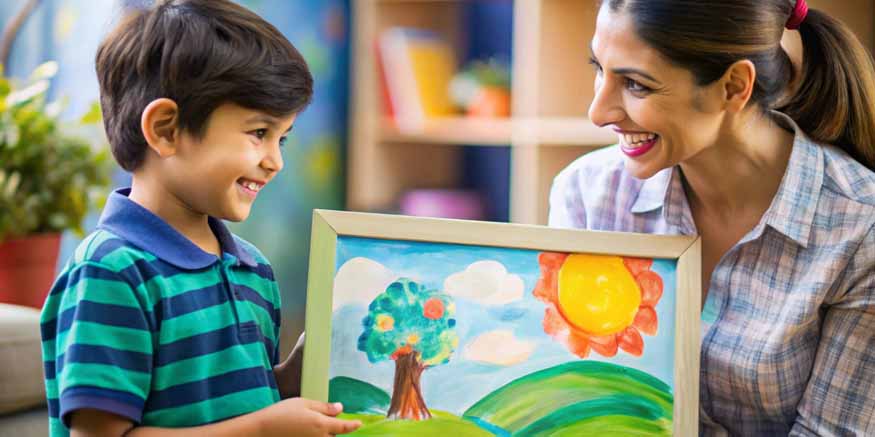
- Creative art
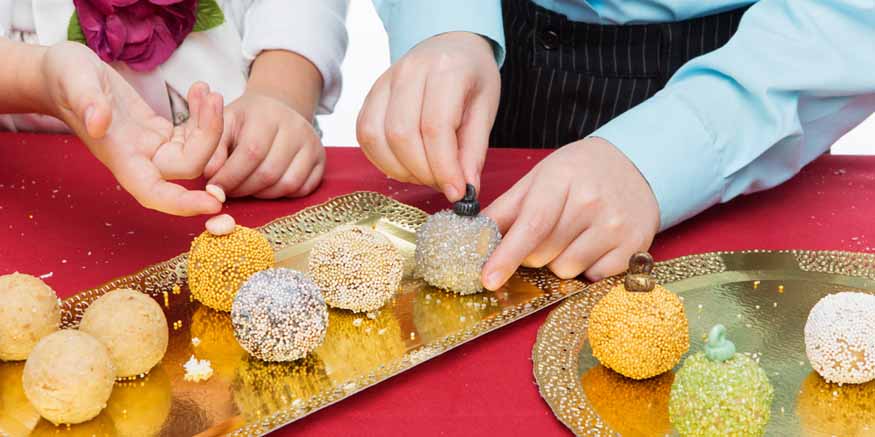
- Practical classroom tasks
Hands-on experiences deepen understanding while making learning enjoyable and meaningful.
Encouraging Independence
Independence is an important part of both Montessori philosophy and the MPK teaching approach.
Children gradually learn to:
- Organise their belongings
- Follow routines
- Make simple choices
- Complete age-appropriate tasks
- Care for classroom materials
These everyday responsibilities help build confidence, responsibility, and self-reliance.
The Teacher as a Guide
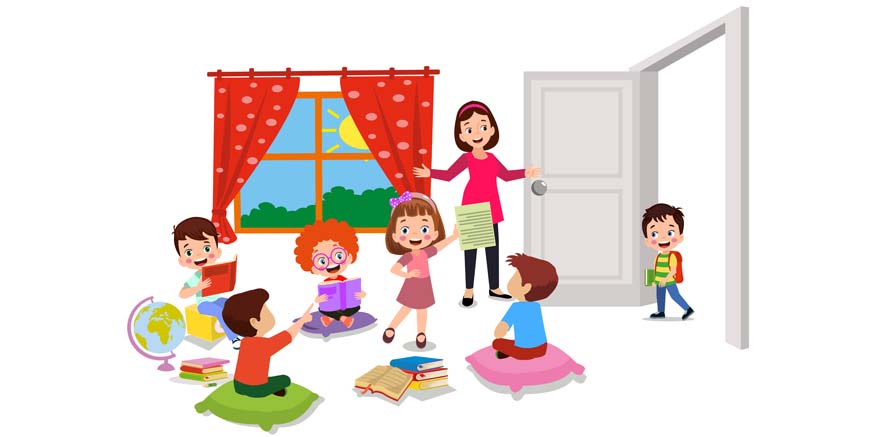
Rather than directing every activity, teachers observe each child’s progress and provide guidance when needed.
They:
- Encourage exploration
- Ask thoughtful questions
- Support individual learning
- Help children solve problems independently
This approach strengthens confidence while encouraging children to think for themselves.
Learning at Every Child’s Pace
Every child develops differently. Some become confident communicators early, while others first excel in observation, creativity, or problem-solving.
Instead of comparing children, educators focus on individual progress, creating a supportive environment where every learner can grow with confidence.
Developing the Whole Child
The Montessori method values overall development alongside academic learning.
At Mother’s Pet Kindergarten, children build:
- Communication skills
- Emotional well-being
- Social confidence
- Creativity
- Physical coordination
- Literacy and numeracy readiness
This holistic approach prepares children for both school and everyday life.
Practical Life Learning
Simple daily routines help children develop valuable life skills.
They learn to:
- Organise learning materials
- Care for shared spaces
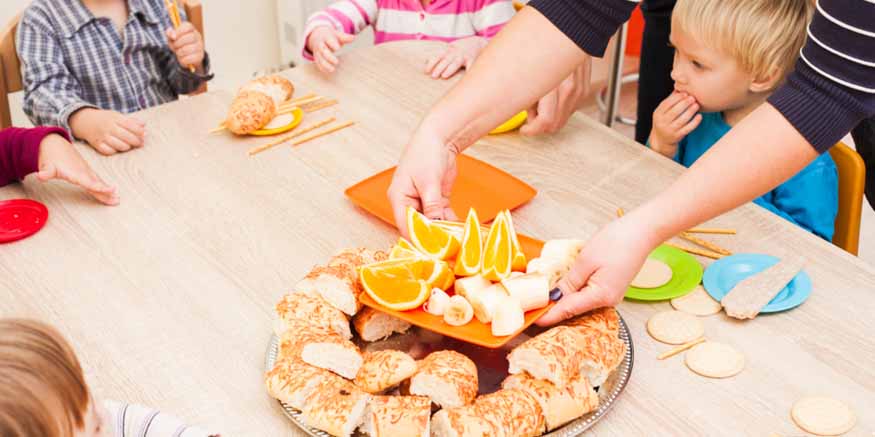
- Take turns
- Work responsibly
- Complete everyday tasks independently
These experiences strengthen concentration, responsibility, and self-confidence.
Encouraging Curiosity
Children are naturally curious, and the MPK teaching approach nurtures that curiosity through opportunities to:
- Observe nature
- Ask questions
- Explore new ideas
- Solve simple problems
- Share their discoveries
A curious child develops a lifelong love for learning.
Communication, Social Skills and Play
Daily classroom interactions help children:
- Express ideas confidently
- Listen respectfully
- Build friendships
- Cooperate during activities
- Resolve simple disagreements
Play remains central to this learning process. Through storytelling, music, art, dramatic play, construction activities, and outdoor exploration, children strengthen language, creativity, problem-solving, and social skills while enjoying the learning experience.
Preparing Children for the Future
The goal of the MPK teaching approach extends beyond academic readiness. It helps children become:
- Curious thinkers
- Independent learners
- Confident communicators
- Creative problem-solvers
- Responsible individuals
These qualities provide a strong foundation for success in primary school and beyond.
This same philosophy is what makes our nursery school environment so effective from the start.
Why Parents Choose Mother’s Pet Kindergarten
Families appreciate the school’s balanced approach to early childhood education, with a strong focus on:
- Holistic development
- Individual attention
- Emotional well-being
- Creativity
- Confidence building
- Child-centred learning
Its nurturing environment and long-standing reputation have made Mother’s Pet Kindergarten a trusted choice for families seeking kindergarten admission in Nagpur.
Final Thoughts
The Montessori method has influenced early childhood education worldwide by recognising that children learn best through exploration, independence, and meaningful experiences. By embracing many principles of child-centred learning, the MPK teaching approach creates a Montessori kindergarten environment in which children develop confidence, curiosity, creativity, and a love of learning.
At Mother’s Pet Kindergarten, every learning experience is thoughtfully designed to support each child’s emotional, social, and intellectual growth. Parents exploring kindergarten admissions in Nagpur can visit the admissions page to learn how the school helps children build a strong foundation for lifelong learning.



Recent Comments