
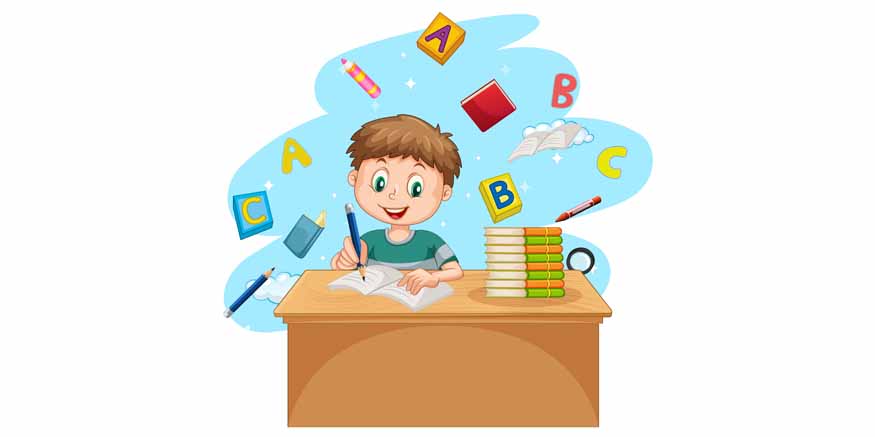
One of the most exciting milestones for parents is watching their child pick up a pencil and make their first marks on paper. Those early scribbles may seem simple, but they mark the beginning of an important developmental journey. Before children learn to write letters and words, they need to build the physical skills that make writing possible.
Developing a proper pencil grip for kids, strengthening pre-writing skills, encouraging early handwriting, and improving fine motor writing abilities all help children become confident writers. With patience, play, and the right guidance, parents can support this process naturally.
Why Writing Begins Before Letters
Writing starts long before children trace the alphabet.
Before they can write, children need to develop:
- Finger strength
- Hand control
- Wrist stability
- Hand-eye coordination
- Good posture
These foundational abilities make writing easier and support many everyday tasks. A quality kindergarten programme introduces writing only after these skills begin to develop.
Understanding Pre-Writing Skills
Pre-writing skills prepare children for formal handwriting.
These include the ability to:
- Draw simple lines
- Make circles
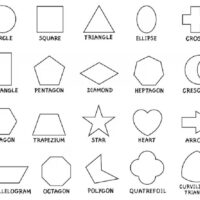
- Copy basic shapes
- Control hand movements
- Coordinate vision and movement
Children build these abilities gradually through play and everyday activities. The goal during kindergarten is confidence and control, not perfect handwriting.
Why Pencil Grip Matters
A comfortable pencil grip for kids helps children write with better control and less fatigue.
A good grip makes it easier to:
- Draw
- Colour
- Trace
- Write letters
- Complete classroom activities
Children often experiment with different ways of holding writing tools before settling into a more efficient grip. Gentle guidance is more effective than frequent correction.
Signs Your Child Is Ready for Writing
Every child develops differently, but common signs of writing readiness include:
- Enjoying drawing
- Colouring within large spaces
- Copying simple shapes
- Holding crayons comfortably
- Showing interest in pencils and paper
These behaviours indicate that the muscles and coordination needed for writing are developing.
Strengthening Fine Motor Skills
Strong hands and fingers are essential for writing.
Fun activities that improve fine motor writing skills include:
- Building with blocks
- Threading beads
- Playing with clay
- Tearing and folding paper
- Using tweezers
- Buttoning clothes
These everyday activities strengthen the small muscles children use while writing.
1. Encourage Scribbling
Scribbling is an important stage of writing development.
Allow children to:
- Draw freely
- Make large shapes
- Experiment with different writing tools
- Express their creativity
These experiences build confidence and improve control.
2. Start with Thick Crayons
Chunky crayons and markers are easier for young children to hold than standard pencils.
They encourage natural finger positioning while reducing strain. As hand control improves, children can gradually move to regular pencils.
3. Make Colouring a Daily Activity
Colouring strengthens:
- Finger muscles
- Hand control
- Wrist stability
- Concentration
Regular colouring helps children develop the control needed for future writing. Focus on enjoyment rather than neatness.
4. Practise Shapes Before Letters
Before introducing the alphabet, encourage children to draw:
- Vertical lines
- Horizontal lines
- Circles
- Curves
- Zigzags
- Squares
These basic patterns appear in many letters and make handwriting easier to learn later.
5. Build Hand Strength Through Play
Play is one of the best ways to develop writing readiness.
Try activities such as:
- Rolling dough
- Squeezing sponges
- Playing with clay
- Using clothespins
- Water play
These enjoyable experiences strengthen the muscles needed for writing without feeling like lessons.
6. Encourage Good Posture
Writing depends on more than hand movement.
Help children:
- Sit comfortably
- Keep both feet supported
- Use a child-sized table and chair
- Relax their shoulders
Good posture improves stability and makes writing more comfortable.
7. Keep Practice Short
Young children learn best through brief, enjoyable practice.
Aim for:
- Five to ten minutes at a time
- Frequent breaks
- Plenty of encouragement
Short sessions help children stay motivated and prevent frustration.
8. Celebrate Progress
Writing develops gradually.
Praise improvements such as:
- Better pencil control
- Stronger grip
- Greater confidence
- Longer attention spans
Avoid comparing children with others. Every child develops writing skills at their own pace.
Common Mistakes Indian Parents Should Avoid
When encouraging writing, avoid:
- Introducing formal writing too early
- Constantly correcting pencil grip
- Comparing handwriting
- Expecting perfect letters
- Making practice stressful
Children learn best when writing remains a positive and enjoyable experience.
How Kindergarten Supports Writing Development
A quality kindergarten school introduces writing through developmentally appropriate activities such as:
- Drawing
- Colouring
- Clay modelling
- Shape tracing
- Finger painting
- Sand writing
These experiences strengthen muscles, coordination, and confidence before formal handwriting begins.
Why Fine Motor Skills Matter
Fine motor development supports much more than writing.
Children also use these skills when:
- Buttoning clothes
- Using scissors
- Eating independently
- Building with blocks
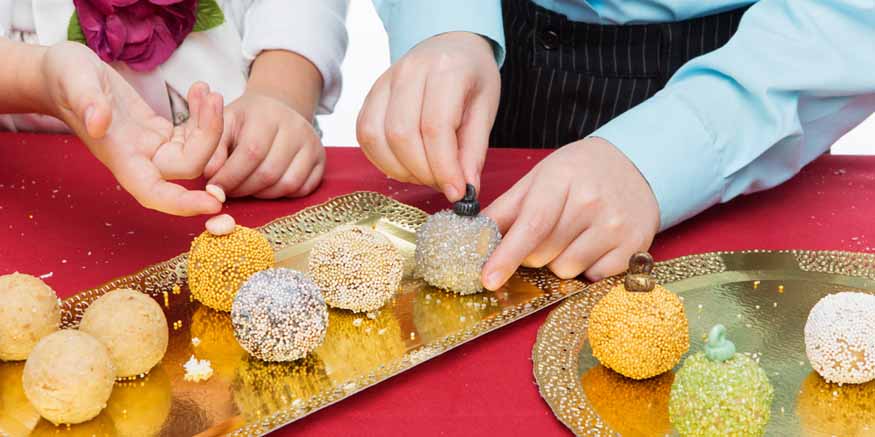
- Completing art and craft activities
Strong motor skills help children become more independent in everyday life.
Supporting Writing Skills at Home
Parents can reinforce writing readiness through simple activities.
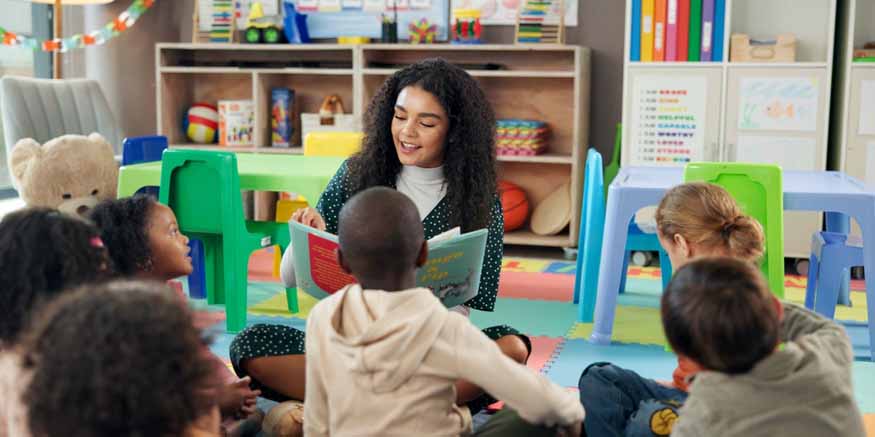
- Read stories together and encourage children to draw scenes from the story.
- Offer painting, colouring, and craft activities regularly.
- Provide puzzles and construction toys to improve coordination.
- Limit screen time and encourage hands-on play.
These experiences naturally strengthen pre-writing skills while making learning enjoyable.
Fine motor foundation actually begins earlier, read imitation and role play in Pre-Nursery.
Why Parents Trust Mother’s Pet Kindergarten
For decades, Mother’s Pet Kindergarten has helped children build writing readiness through child-centred, hands-on learning.
The school focuses on:
- Communication
- Creativity
- Motor development
- Confidence building
- Emotional well-being
- Experiential learning
Writing skills are introduced gradually through age-appropriate activities that encourage exploration and independence. Families seeking best kindergarten in Nagpur appreciate the school’s balanced approach to preparing children for future learning without unnecessary pressure.
Final Thoughts
Learning to write is a journey that begins long before children form their first letters. Developing a comfortable pencil grip for kids, strengthening pre-writing skills, encouraging positive handwriting experiences, and building fine motor writing abilities all help children become confident learners.
At Mother’s Pet Kindergarten, writing readiness develops through creative, hands-on experiences that respect every child’s pace of learning. Parents exploring kindergarten admissions in Nagpur can visit the admissions page to learn how the school helps children build a strong foundation for lifelong learning.


Recent Comments