
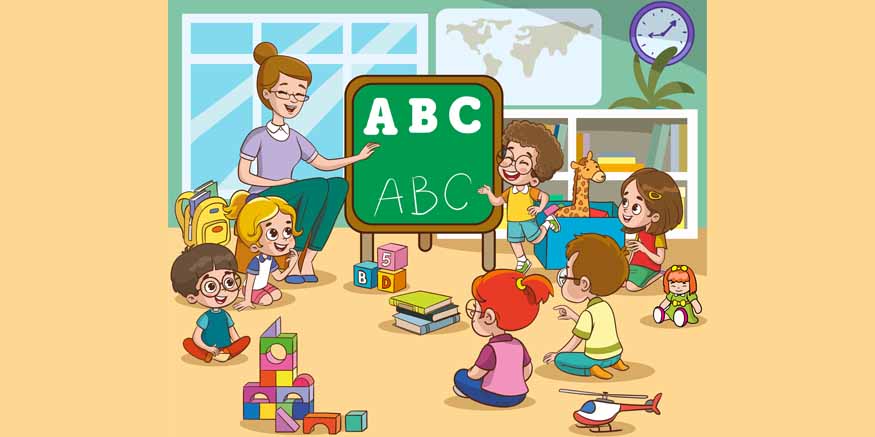
Choosing a preschool is about much more than selecting a building where children spend a few hours each day. The environment in which young children learn has a profound impact on their confidence, development, curiosity, and overall well-being. As parents explore different schools, questions naturally arise about the quality of school facilities, safety measures, learning spaces, and teaching approaches. What creates a truly safe learning environment for young children? What are the best features to look for in a nursery? What does a genuinely child-friendly classroom feel like from a child’s perspective? Understanding these elements can help parents choose a school that supports both happiness and healthy development during the early years.
Why the Learning Environment Matters So Much
The nursery years are often a child’s first experience outside the home in a structured educational setting.
During this stage, children are developing:
- Confidence
- Communication skills
- Social awareness
- Independence
- Curiosity
- Emotional security
The environment around them plays a significant role in shaping these experiences.
A quality nursery school creates a space where children feel:
- Safe
- Valued
- Encouraged
- Comfortable exploring new ideas
When children feel emotionally secure, they become more willing to participate, communicate, and learn.
Looking Beyond Attractive School Facilities
Many parents initially focus on visible school facilities such as colourful walls, modern classrooms, and attractive play equipment.
While these features are important, a truly effective learning environment goes beyond appearances.
The best environments combine:
- Safety
- Emotional support
- Purposeful learning spaces
- Skilled educators
- Child-centred teaching
The best nursery school is not simply about having impressive infrastructure. It is about creating an environment that supports every aspect of a child’s growth.
A Safe Learning Environment Begins With Emotional Security
When parents hear the phrase “safe learning environment,” they often think of physical safety.
Physical safety is certainly important, but emotional safety is equally critical.
Children need to feel:
- Accepted
- Respected
- Encouraged
- Supported
They should feel comfortable:
- Asking questions
- Expressing emotions
- Trying new activities
- Making mistakes
A nurturing nursery school creates an atmosphere where children know they are valued and supported.
This emotional foundation helps children develop confidence and resilience.
What Makes a Child-Friendly Classroom?
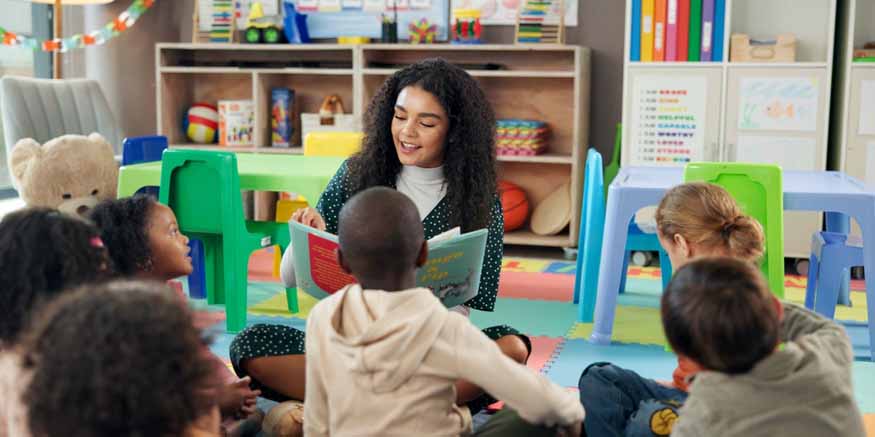
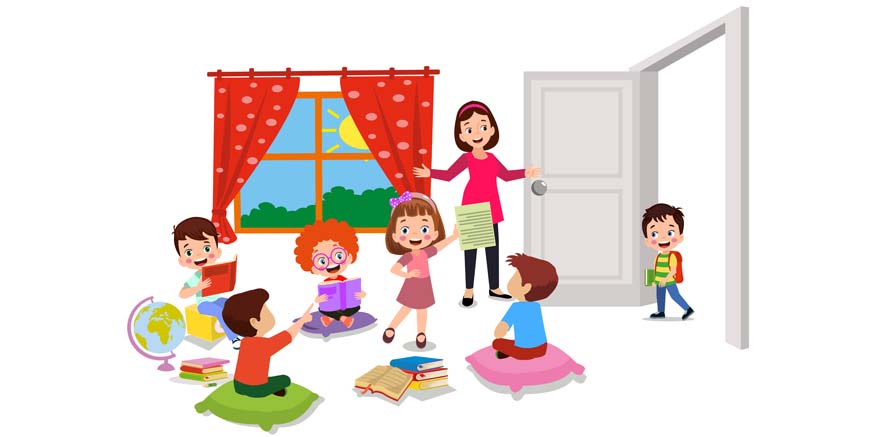
A truly child-friendly classroom is designed around children’s developmental needs rather than adult convenience.
Young learners need spaces that encourage:
- Movement
- Exploration
- Creativity
- Interaction
An effective classroom typically includes:
- Accessible learning materials
- Comfortable seating arrangements
- Interactive learning corners
- Reading spaces
- Creative activity areas
Children should be able to move comfortably and engage independently with their surroundings.
A thoughtfully designed child-friendly classroom helps children feel confident and capable.
Why Teacher Relationships Matter More Than Parents Realise
Even the best school facilities cannot replace the impact of caring educators.
Teachers play a central role in shaping the nursery experience.
Young children thrive when teachers:
- Listen attentively
- Respond with patience
- Encourage participation
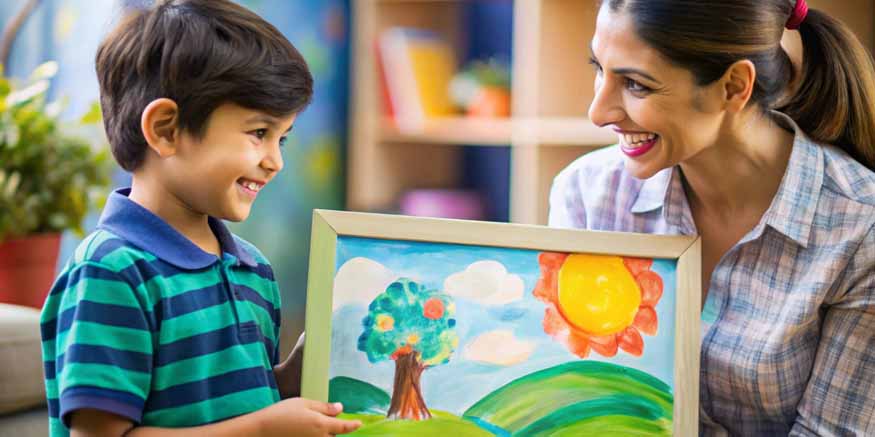
- Celebrate effort
- Build trusting relationships
Strong teacher-child connections help children feel secure and motivated.
Many parents evaluating a nursery school focus primarily on infrastructure, but the quality of interactions often matters even more.
Learning Spaces That Encourage Curiosity
Children are naturally curious.
A great nursery environment encourages children to:
- Explore
- Observe
- Ask questions
- Experiment
- Discover
Learning areas should provide opportunities for:
- Art and creativity
- Sensory exploration
- Storytelling
- Construction play
- Role-playing activities
These experiences stimulate imagination while supporting cognitive development.
At Mother’s Pet Kindergarten, learning is designed to encourage curiosity and active participation rather than passive instruction.
Why Play Areas Are Essential
Play is one of the most effective learning tools during early childhood.
Well-designed play spaces help children develop:
- Social skills
- Physical coordination
- Problem-solving abilities
- Confidence
- Creativity
A quality nursery school understands that play is not separate from learning.
Outdoor and indoor play experiences both contribute significantly to healthy development.
Parents evaluating school facilities should look for spaces that support meaningful play rather than simply providing entertainment.
Cleanliness and Hygiene: Non-Negotiable Essentials
A quality, safe learning environment must maintain high standards of cleanliness and hygiene.
Parents should observe:
- Clean classrooms
- Sanitised learning materials
- Well-maintained washrooms
- Organised learning spaces
Good hygiene practices not only support physical health but also create a more comfortable learning environment.
Children are more likely to feel secure when their surroundings are clean and well cared for.
Encouraging Independence Through Environmental Design
A great nursery environment helps children develop independence gradually.
Simple features such as:
- Accessible storage
- Child-sized furniture
- Clearly organised spaces
allow children to:
- Make choices
- Manage belongings
- Complete tasks independently
These opportunities help children build confidence and responsibility.
A thoughtfully designed child-friendly classroom empowers children to participate actively in their daily routines.
Supporting Social Development Through Shared Spaces
Learning in nursery is not only an individual experience.
Children develop important social skills through:
- Group activities
- Shared learning spaces
- Collaborative play
- Classroom discussions
A quality nursery school provides opportunities for children to:
- Make friends
- Share resources
- Communicate ideas
- Solve conflicts respectfully
These social experiences become important foundations for future learning and relationships.
Why Creativity Should Be Visible Everywhere
Creativity is an essential part of early childhood development.
A strong nursery environment encourages:
- Art
- Music
- Storytelling
- Imaginative play
- Open-ended exploration
When children feel free to create and express themselves, they develop confidence and flexible thinking.
Many of the best nursery features involve opportunities for self-expression rather than rigid academic instruction.
Parent Communication Is Part of the Environment
A great nursery environment extends beyond the classroom.
Strong communication between parents and educators helps create consistency for children.
Parents should feel informed about:
- Learning experiences
- Developmental progress
- Classroom activities
- School events
Open communication builds trust and helps support children more effectively.
A quality nursery school values parents as important partners in the learning journey.
What Indian Parents Should Look for During School Visits
When visiting a potential Nursery School in Nagpur, consider asking:
About Safety
- How is student safety managed?
- What emergency procedures exist?
About Learning
- How is learning introduced?
- What teaching methods are used?
About Teachers
- What is the teacher-child ratio?
- How are teachers trained?
About Development
- How does the school support emotional growth?
- How is creativity encouraged?
These questions help parents understand the true quality of the learning environment.
Why the Environment Influences Lifelong Learning
The experiences children have during their nursery years often shape their attitudes towards education.
A positive environment helps children:
- Enjoy learning
- Develop confidence
- Build curiosity
- Feel emotionally secure
- Engage socially
These qualities influence not only future academic success but also personal development.
This is why choosing the right nursery school is such an important decision.
Why Parents Trust Mother’s Pet Kindergarten
For more than four decades, Mother’s Pet Kindergarten has focused on creating nurturing learning environments that support every aspect of a child’s development.
The school combines:
- Thoughtfully designed learning spaces
- Caring educators
- Child-centred teaching
- Safe and engaging classrooms
- Opportunities for creativity and exploration
Its commitment to holistic development has helped generations of children begin their educational journey with confidence and enthusiasm.
Families searching for a trusted Nursery School in Nagpur often appreciate the school’s focus on creating a warm, welcoming, and developmentally appropriate environment for young learners.
Final Thoughts
A great nursery environment is not defined by impressive infrastructure alone. It combines meaningful school facilities, caring educators, emotional security, and opportunities for exploration that together create a truly safe learning environment. The best nursery features support curiosity, confidence, creativity, and independence, while every child-friendly classroom helps children feel valued and inspired to learn.
At Mother’s Pet Kindergarten, the learning environment is carefully designed to nurture young minds through warmth, exploration, and purposeful learning experiences. Parents considering nursery school admission or looking for a trusted Nursery School in Nagpur can visit the admissions section to discover how the school creates an environment where children thrive academically, socially, and emotionally from the very beginning.





Recent Comments