
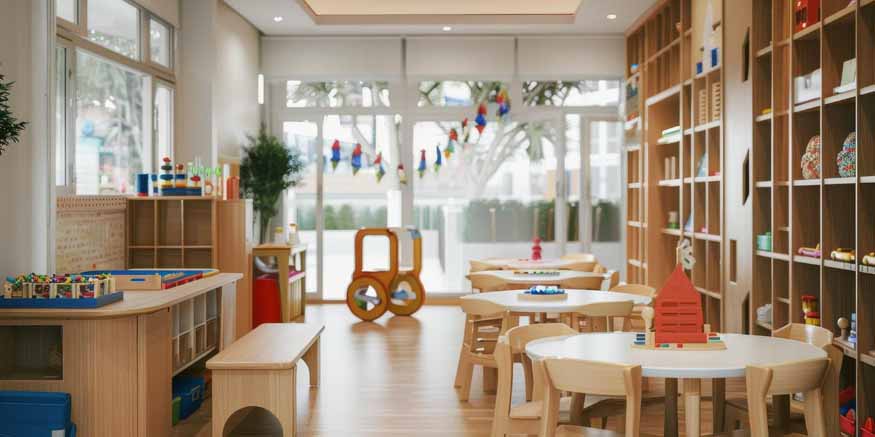
One of the most common questions parents ask while planning their child’s educational journey is whether their child should be in nursery or LKG. The confusion is understandable because both stages are part of a child’s early learning years and often appear similar from the outside. However, understanding the differences between nursery and LKG can help parents make informed decisions about their child’s developmental readiness and educational progression. As children move through different preschool stages, their learning needs change significantly. Understanding LKG eligibility, developmental expectations, and the purpose of various early education levels can help families confidently support their child’s growth.
Understanding the Preschool Journey
Before comparing nursery and LKG, it helps to understand how early childhood education is generally structured in India.
Most schools follow a progression that includes:
- Playgroup or Pre-Nursery
- Nursery
- Lower Kindergarten (LKG)
- Upper Kindergarten (UKG)
Each stage serves a unique purpose and is designed around age-appropriate developmental goals.
At Mother’s Pet Kindergarten, children move through carefully planned learning experiences that support emotional, social, cognitive, and physical development at every stage.
Understanding these preschool stages allows parents to appreciate how each year contributes to long-term learning success.
What Is the Nursery Level?
Nursery is typically a child’s first structured learning experience after playgroup or pre-nursery.
Children entering a nursery school are generally around three years old, although age criteria may vary slightly between institutions.
The primary focus of the nursery level is helping children:
- Adapt to classroom routines
- Develop communication skills
- Build social confidence
- Strengthen motor skills
- Explore creativity
- Learn through play and interaction
A quality nursery school introduces children to structured learning while maintaining a nurturing, playful environment.
The emphasis remains on exploration rather than academic performance.
What Is LKG?
Lower Kindergarten, commonly known as LKG, is the next stage after nursery.
Children entering LKG are generally around four years old and have already experienced basic classroom routines.
At this stage, learning becomes slightly more structured.
Children begin developing:
- Early literacy skills
- Alphabet recognition
- Vocabulary expansion
- Number awareness
- Listening comprehension
- Fine motor control
- Classroom participation skills
While play remains an important part of learning, LKG introduces more guided educational experiences that prepare children for future academic learning.
Nursery vs LKG in India: The Core Difference
When discussing nursery vs LKG, the biggest difference lies in developmental expectations.
Nursery Focus
Nursery primarily supports:
- Emotional adjustment
- Social interaction
- Classroom familiarity
- Basic communication
- Confidence building
LKG Focus
LKG builds upon those foundations by introducing:
- Pre-reading skills
- Pre-writing readiness
- Number concepts
- Improved concentration
- Greater independence
In simple terms, nursery helps children become comfortable learners, while LKG begins preparing them for more formal educational experiences.
Age Requirements: Understanding LKG Eligibility
One of the most important questions parents ask concerns LKG eligibility.
Although exact age requirements vary slightly between schools, the general guidelines are:
Nursery
- Typically 3+ years of age
LKG
- Typically 4+ years of age
Schools assess age using specific cut-off dates set by educational authorities or school policies.
Parents should always verify eligibility requirements directly during the nursery school admission process.
Meeting age criteria is important because developmental readiness often aligns closely with age-appropriate learning expectations.
What Children Learn in Nursery
A quality nursery school focuses on creating strong developmental foundations.
Key learning areas include:
Communication Skills
Children learn:
- Vocabulary development
- Listening skills
- Basic conversation
- Story participation
Social Skills
Children begin understanding:
- Sharing
- Cooperation
- Group participation
- Friendship building
Emotional Development
They learn:
- Self-expression
- Emotional regulation
- Confidence building
- Adaptation to routines
Physical Development
Activities strengthen:
- Fine motor control
- Hand-eye coordination
- Balance
- Physical confidence
These foundational skills prepare children for the next stage of learning.
What Children Learn in LKG
LKG expands on the foundations established during nursery.
Key areas of development include:
Language Readiness
Children begin:
- Letter recognition
- Phonetic awareness
- Vocabulary expansion
- Listening comprehension
Numeracy Skills
Children explore:
- Number recognition
- Counting
- Sorting
- Basic patterns
Cognitive Development
Activities encourage:
- Observation
- Memory
- Problem-solving
- Critical thinking
Classroom Independence
Children become more comfortable:
- Following instructions
- Completing tasks
- Participating independently
These skills help prepare children for UKG and later primary school experiences.
Why Nursery Is Not a Stage to Rush Through
Some parents wonder whether children can skip nursery and move directly into LKG.
While this may occasionally be possible depending on school policies, it is generally not recommended.
Nursery provides important developmental experiences that support:
- Emotional confidence
- Social adaptation
- Classroom comfort
- Learning readiness
A strong nursery experience often makes the LKG transition much smoother and more successful.
This is why educators often emphasise the importance of progressing naturally through the various early education levels.
How Learning Approaches Differ Between Nursery and LKG
The teaching methods used in nursery and LKG often reflect developmental readiness.
Nursery Learning Style
- Play-based learning
- Sensory exploration
- Creative activities
- Music and movement
- Storytelling
LKG Learning Style
- Guided learning activities
- Structured tasks
- Literacy readiness
- Numeracy exploration
- Increased classroom participation
Both stages remain child-centred, but LKG gradually introduces more organised learning experiences.
How Parents Can Support Children at Each Stage
Parents play a significant role throughout the preschool journey.
Supporting Nursery Children
Focus on:
- Emotional reassurance
- Social opportunities
- Positive school conversations
- Consistent routines
Supporting LKG Children
Encourage:
- Curiosity
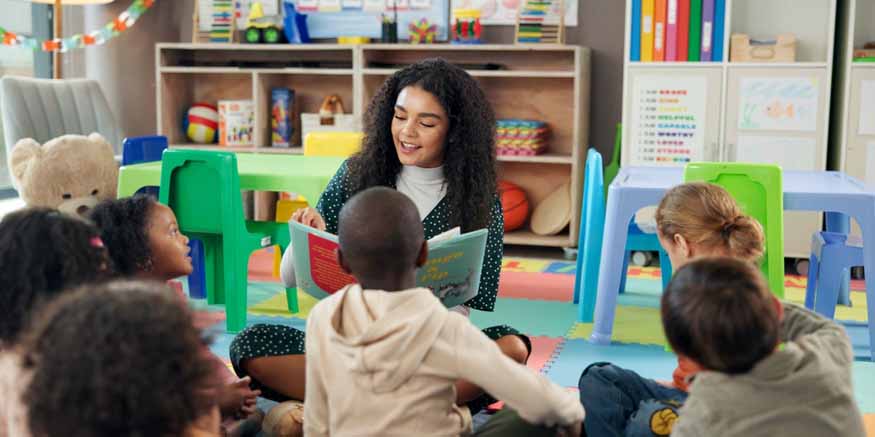
- Story reading
- Communication
- Independent thinking
- Simple problem-solving
The goal is always to nurture confidence rather than create pressure.
Common Misconceptions About Early Education Levels
Many parents misunderstand the purpose of different early education levels.
Misconception 1: Earlier Academics Mean Better Outcomes
Research consistently shows that emotional security and developmental readiness are equally important.
Misconception 2: Nursery Is Just Playtime
Nursery builds critical social, emotional, and communication foundations.
Misconception 3: LKG Is Formal Schooling
While more structured than nursery, LKG still prioritises age-appropriate learning and exploration.
Understanding these realities helps parents set healthier expectations.
What Parents Should Look for in a Nursery School
When evaluating a Nursery School in Nagpur, parents should consider:
Learning Environment
Look for:
- Child-friendly classrooms
- Engaging learning spaces
- Safe infrastructure
Teacher Quality
Observe:
- Warmth
- Patience
- Child engagement
- Communication style
Educational Philosophy
A strong nursery school should prioritise:
- Holistic development
- Play-based learning
- Emotional well-being
- School readiness
Choosing the right environment helps children thrive throughout every stage of early learning.
Why Parents Trust Mother’s Pet Kindergarten
For over four decades, Mother’s Pet Kindergarten has helped children navigate important preschool stages through a child-centred approach that balances learning with emotional development.
The school focuses on:
- Confidence building
- Communication skills
- Creativity
- Social development
- Academic readiness
It’s carefully designed progression from nursery through kindergarten ensures that children receive age-appropriate experiences at every stage.
Families seeking a trusted Nursery School in Nagpur often appreciate the school’s emphasis on nurturing the whole child rather than focusing solely on academics.
Understanding Nursery School Admission
Parents beginning the nursery school admission journey should plan ahead and gather information early.
Helpful steps include:
- Visiting campuses
- Understanding age criteria
- Reviewing curriculum details
- Meeting educators
- Exploring classroom environments
Early preparation helps parents make informed decisions that align with their child’s developmental needs.
Final Thoughts
Understanding the differences between nursery and LKG helps parents appreciate the unique purpose of each stage within the broader preschool journey. While nursery focuses on emotional security, social confidence, and foundational development, LKG builds upon those skills by introducing more structured learning experiences. Both stages play important roles across early education levels, and understanding LKG eligibility and developmental expectations can help families navigate these stages with confidence.
At Mother’s Pet Kindergarten, every child is guided through a carefully designed learning journey that respects their pace of growth while building confidence, curiosity, and readiness for future success. Parents exploring nursery school admission opportunities or looking for the best Nursery School in Nagpur can visit the admissions section to learn more about the school’s programs and educational philosophy.









Recent Comments