A close friend of mine once believed she had prepared her little boy perfectly for his first experience at a kids’ play school. She had taught him colours, alphabets, nursery rhymes, and even simple counting. From the outside, it looked like he was completely ready. But as we spoke more deeply about his behaviour, I realised something important was missing from her toddler readiness checklist. He became anxious around unfamiliar children, struggled with small routines, and found it difficult to stay away from his mother even briefly.
That conversation became a real eye-opener for both of us. We soon understood that true preschool readiness involves emotional and social growth, not just academics. Once she began focusing on key school-readiness signs and age-appropriate child-development milestones, her son slowly became much more confident and genuinely prepared for playgroup.
Why Playgroup Readiness Is About More Than Academics
Many Indian parents assume that toddlers are ready for playgroup once they can:
- Recite rhymes
- Identify colours
- Recognise alphabets
- Count numbers
While these skills are useful, emotional and social readiness are equally important.
A child entering a play school is experiencing a major life transition. For the first time, they may:
- Spend time away from parents
- Interact with peers regularly
- Follow routines
- Listen to teachers
- Participate in group activities
This is why understanding broader signs of school readiness matters much more than focusing only on academic ability.
Understanding Child Development Milestones
Every child develops differently during early childhood.
Some toddlers become socially confident quickly, while others need more time to feel emotionally secure.
Important child development milestones include:
- Emotional expression
- Social interaction
- Communication abilities
- Physical coordination
- Curiosity and independence
Rather than comparing children with others, parents should focus on observing their own child’s comfort, behaviour, and adaptability.
A nurturing kids’ play school helps support these developmental areas gradually through engaging playgroup activities.
1. Your Toddler Shows Curiosity About Other Children
One major sign of readiness is curiosity about peers.
Toddlers who:
- Observe other children closely
- Smile during interaction
- Attempt to join group play
- Enjoy watching children in parks
may be emotionally ready for more social environments.
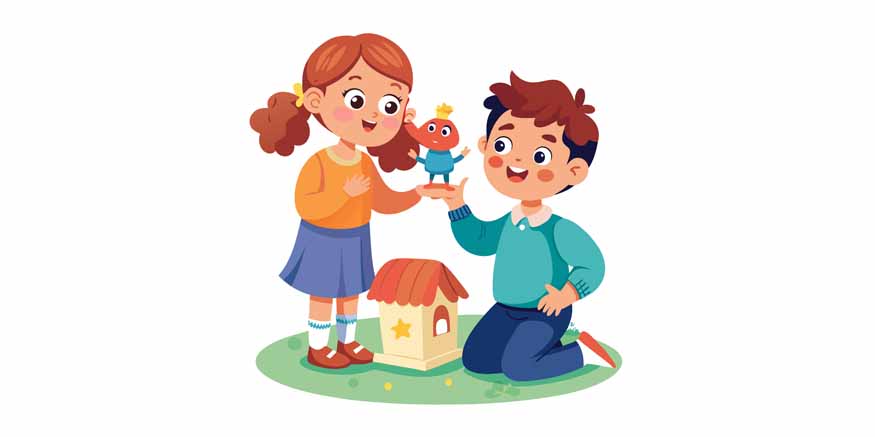
Regular playgroup activities provide opportunities for children to naturally strengthen communication and friendship skills.
2. Your Child Can Handle Short Separation From Parents
A very important part of the toddler readiness checklist is emotional comfort during short periods away from parents.
Children who can:
- Stay briefly with grandparents
- Spend time with caregivers
- Participate in short, independent activities
…often transition more smoothly into the playgroup.
This does not mean toddlers should never cry during separation. Mild anxiety is completely normal.
The goal is gradual emotional adaptability rather than immediate complete independence.
3. Your Toddler Follows Simple Instructions
Another key sign of preschool readiness is the ability to understand basic instructions.
For example:
- “Please sit here”
- “Keep the toy back”
- “Come wash your hands”
Toddlers who respond to simple guidance often adjust more comfortably within classroom environments.
Following routines helps children participate confidently during structured playgroup activities.
4. Your Child Enjoys Exploring New Environments
Children who naturally show curiosity toward:
- Parks
- Play areas
- New toys
- Family gatherings
- Interactive spaces
…often adapt more positively to a kids’ play school environment.
Exploration is an important part of healthy child development milestones during toddlerhood.
Curious children generally become more open to learning experiences and group participation.
5. Your Toddler Can Express Basic Needs
Communication does not need to be perfect before joining a playgroup.
However, children should ideally be able to express simple needs through:
- Words
- Gestures
- Facial expressions
- Basic phrases
For example:
- Asking for water
- Pointing to the washroom
- Indicating discomfort
- Seeking help
These communication abilities help teachers support children effectively during daily playgroup activities.
6. Your Child Begins Showing Interest in Routine
Toddlers who respond positively to simple routines often adapt more comfortably to classroom environments.
Signs may include:
- Recognising meal times
- Following bedtime routines
- Understanding clean-up habits
- Sitting briefly during stories or songs
Structured routines create emotional security and predictability for young children.
This is one reason why many parents begin introducing routines before starting play school admission procedures.
7. Your Toddler Participates in Group Activities
Children do not need perfect social behaviour before joining school. However, willingness to participate in simple shared experiences can indicate growing readiness.
Examples include:
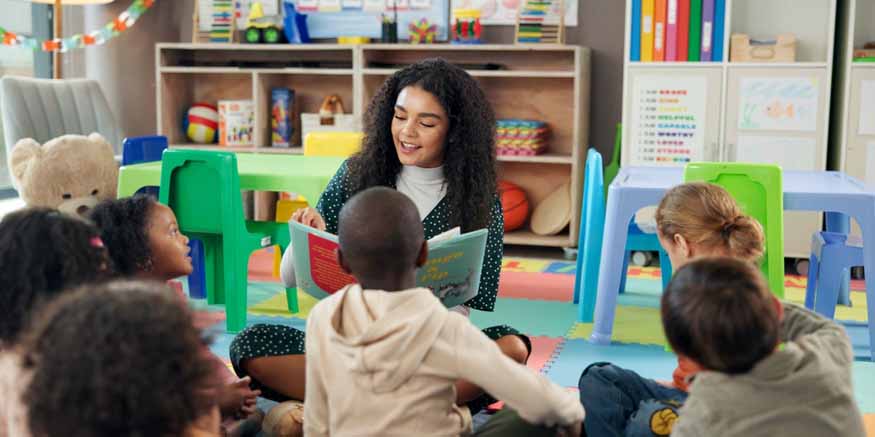
- Listening during storytime
- Joining songs or rhymes
- Playing alongside other children
- Participating in family games
These experiences prepare children for collaborative playgroup activities within classroom settings.
Positive participation also strengthens confidence and communication skills.
8. Your Child Shows Basic Emotional Regulation
Toddlers naturally experience frustration and emotional outbursts. However, another important sign of school readiness is the gradual ability to calm down with reassurance.
For example:
- Recovering after disappointment
- Accepting small boundaries
- Responding to comfort from trusted adults
Emotional regulation develops slowly over time.
A nurturing ‘kids’ play school supports this process by creating emotionally safe environments where children gradually learn patience, sharing, and communication.
9. Your Toddler Demonstrates Physical Independence
Certain physical skills also contribute to preschool readiness.
Helpful abilities may include:
- Walking independently
- Holding crayons
- Carrying small bags
- Feeding themselves partially
- Sitting comfortably during activities
These small skills help children participate more comfortably in daily classroom routines and playgroup activities.
10. Your Child Shows Excitement About Learning
One of the most beautiful signs of school readiness is simple curiosity.
Toddlers who:
- Ask questions
- Explore objects
- Enjoy stories
- Experiment creatively
- Observe their surroundings carefully
often thrive in playgroup environments.
Curiosity forms the foundation of meaningful learning during early childhood.
A quality kids’ play school nurtures this natural enthusiasm through joyful exploration rather than pressure.
Why Emotional Readiness Matters More Than Perfection
Parents sometimes worry unnecessarily if their child does not meet every item on a toddler readiness checklist perfectly.
The truth is that no toddler enters playgroup fully developed socially or emotionally.
Playgroup itself helps children strengthen:
- Confidence
- Communication
- Emotional resilience
- Social interaction
- Creativity
The goal is not perfection before school starts. The goal is gradual readiness and openness to learning experiences.
How Playgroup Activities Support Development
Well-designed playgroup activities are carefully planned to encourage healthy development in multiple areas.
Activities such as:
- Music and movement
- Storytelling
- Sensory exploration
- Art and craft
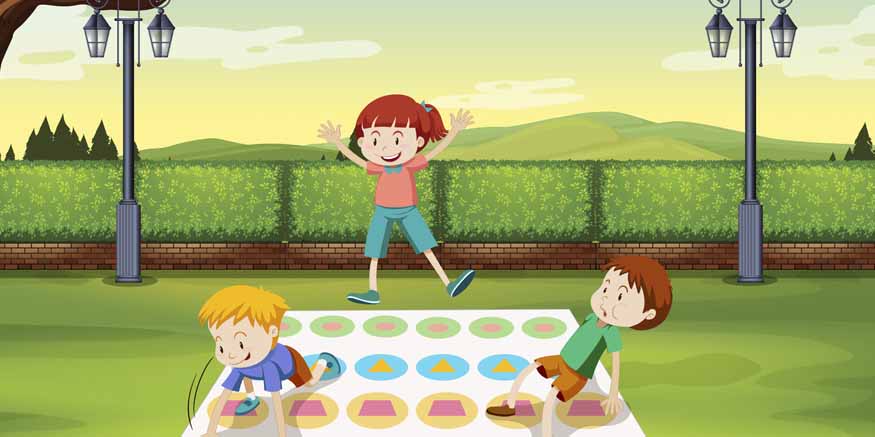
- Outdoor games
- Pretend play
support:
- Cognitive growth
- Emotional expression
- Social confidence
- Physical coordination
Children often learn best through interactive experiences that feel joyful and engaging.
Why Indian Parents Often Feel Pressured
In India, parents frequently face pressure regarding early education.
Many families worry:
- “Is my child behind?”
- “Should my toddler already know writing?”
- “Are other children more advanced?”
However, comparing children can create unnecessary stress.
Every child reaches child development milestones at their own pace.
Focusing on emotional comfort and confidence often creates healthier long-term outcomes than rushing academics too early.
How Parents Can Prepare Toddlers Gradually
Parents can support readiness naturally at home through:
- Reading stories together
- Encouraging social interaction
- Introducing routines gently
- Allowing independent play
- Practising sharing and communication
- Visiting school environments beforehand
These small experiences build confidence gradually without pressure.
Positive preparation helps children feel emotionally secure before joining a kids’ play school.
Choosing the Right preschool in Nagpur
Parents searching for a trusted preschool in Nagpur should prioritise emotional support and child-centred learning.
Before completing play school admission, parents should observe:
- Teacher warmth and patience
- Safe and child-friendly classrooms
- Variety of playgroup activities
- Emotional support systems
- Opportunities for social interaction
- Communication with parents
The right school environment can make a major difference in how comfortably children adjust during the early years.
Why Playgroup Is an Important First Step
Playgroup is not simply about preparing children academically.
It is about helping toddlers:
- Feel emotionally secure
- Build confidence
- Learn communication
- Explore curiosity
- Develop friendships
- Enjoy learning experiences
These foundational skills influence future classroom adjustment and lifelong learning attitudes.
A positive start during early childhood can shape how children emotionally respond to education for years to come.
Final Thoughts
Recognising key signs of school readiness helps parents understand when toddlers may be emotionally, socially, and developmentally prepared for their first school experience. A thoughtful toddler-readiness checklist should always include emotional comfort, curiosity, communication, and age-appropriate developmental milestones, not just academic abilities. True preschool readiness grows gradually through supportive environments and meaningful experiences.
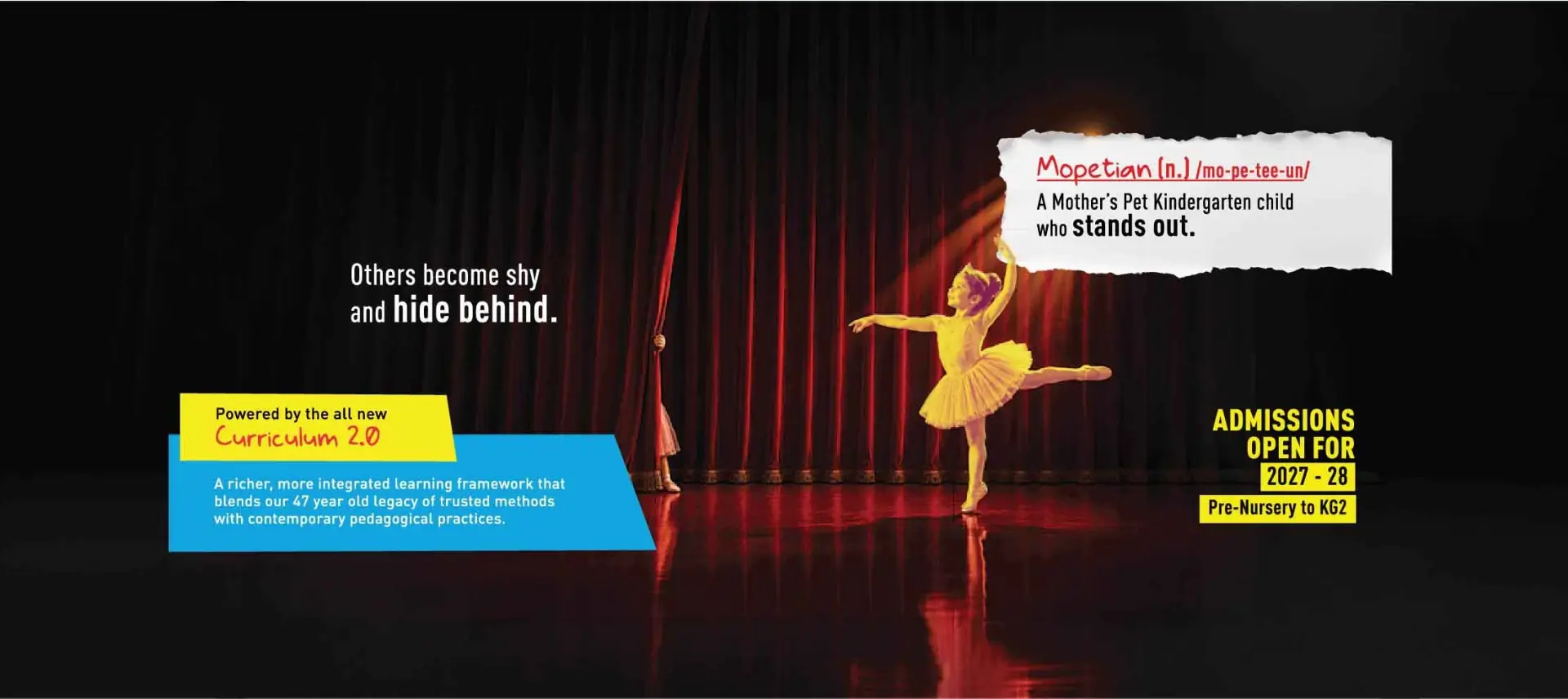
At Mother’s Pet Kindergarten, children are welcomed into a nurturing environment where engaging playgroup activities support emotional confidence, creativity, communication, and healthy development. Parents exploring play school admission opportunities or searching for a trusted pre-nursery school in Amravati Road can visit the admissions page to learn more about how to help their child begin their learning journey with joy and confidence.

Recent Comments