
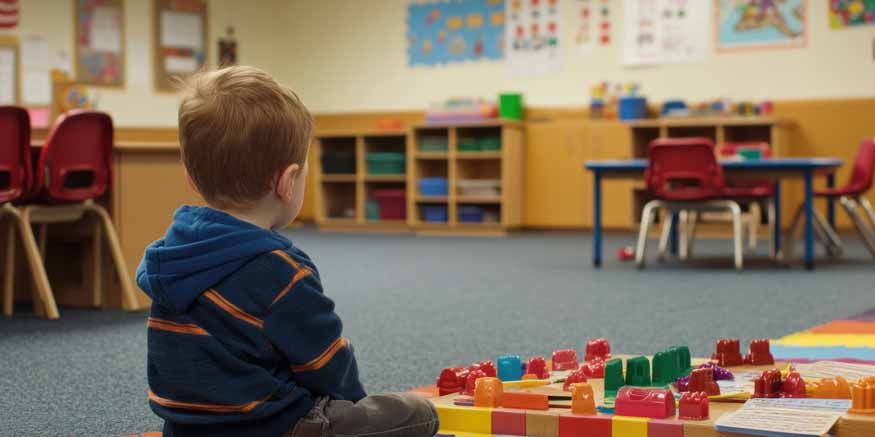
For many parents, watching a child move from playgroup into nursery is both exciting and emotional. It marks the beginning of a more structured learning journey while still preserving the joy and curiosity of early childhood. As families begin researching the nursery curriculum in India, questions naturally arise about what happens during the first year of school. What does a typical nursery class routine look like? What should parents know about realistic preschool expectations? Understanding what a nursery level entails can help families confidently support their children as they take this important step into formal learning.
Why Nursery Is Such an Important Milestone
Nursery represents an important bridge between the free-flowing exploration of playgroup and the more structured learning experiences children will encounter in later years.
A quality nursery school introduces children to routines, classroom participation, communication skills, and foundational academic concepts in a nurturing environment. The goal is not academic pressure but gradual development across emotional, social, physical, and cognitive domains.
At Mother’s Pet Kindergarten, children are encouraged to learn through exploration, creativity, and age-appropriate experiences that support their overall growth. The school’s long-standing philosophy recognises that young learners thrive when they feel emotionally secure and actively engaged.
Understanding the Nursery Curriculum in India
Many parents worry that the nursery level will become highly academic immediately. In reality, a well-designed nursery curriculum that Indian schools increasingly follow focuses on holistic development rather than formal academics alone.
Children are introduced to:
- Language development
- Early literacy skills
- Number awareness
- Creative expression
- Music and movement
- Fine motor development
- Social interaction
- Environmental awareness
The curriculum is carefully designed to support natural learning while encouraging curiosity and confidence.
A good nursery school understands that children learn best through meaningful experiences rather than memorisation.
What Makes Nursery Different From Playgroup?
One of the most common questions parents ask is how nursery differs from earlier preschool stages.
While playgroup primarily focuses on socialisation and emotional adjustment, nursery introduces a more structured learning environment.
In nursery, children begin:
- Following classroom routines independently
- Participating in guided activities
- Developing listening skills
- Building attention span
- Exploring pre-reading and pre-writing concepts
- Understanding group responsibilities
This gradual transition helps children prepare for future educational experiences while maintaining a playful and engaging atmosphere.
What Does a Typical Nursery Class Routine Look Like?
Understanding the daily nursery class routine can help parents feel more comfortable about what their child experiences at school.
Although schedules vary, a typical nursery day may include:
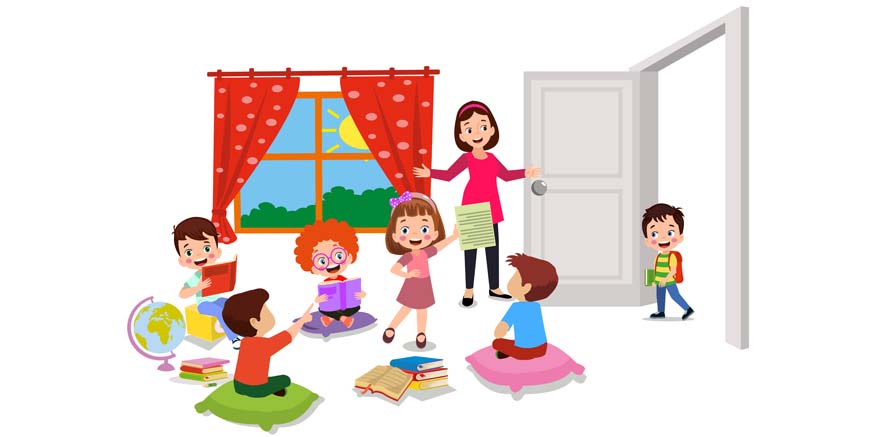
Welcome and Settling Time
Children arrive, greet teachers and classmates, and transition into the classroom environment.
Circle Time
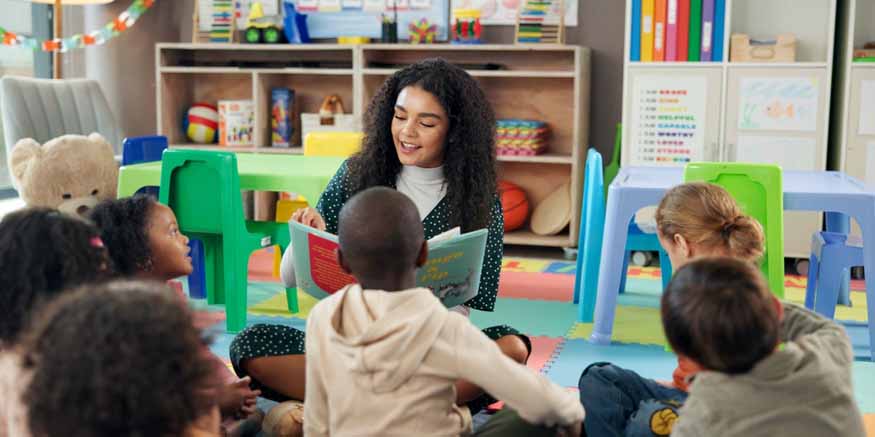
Teachers introduce the day’s theme through songs, discussions, stories, or interactive activities.
Learning Activities
Children participate in age-appropriate tasks that support language, mathematics, creativity, and observation skills.
Creative Exploration
Art, craft, music, and movement activities encourage self-expression and imagination.
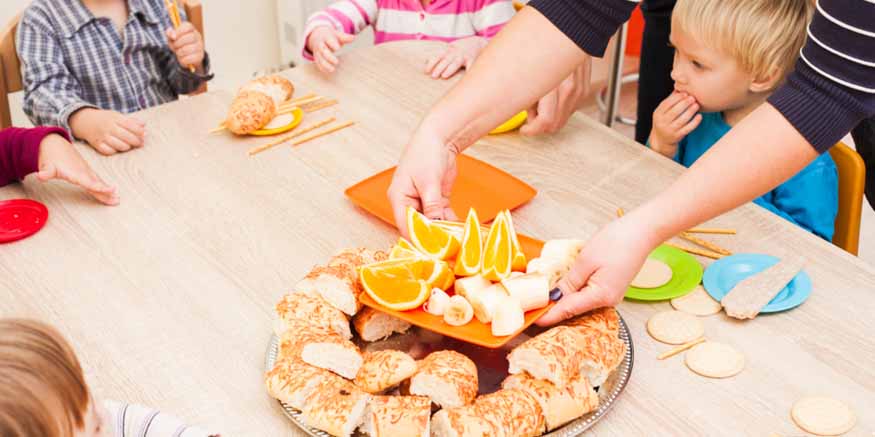
Snack and Social Time
Children practise independence, communication, and social interaction during shared routines.
Outdoor Play
Physical activity supports coordination, confidence, and healthy development.
Storytelling and Reflection
Many nursery classrooms end sessions with stories, discussions, or calming activities.
This balanced nursery class routine ensures that learning remains enjoyable and developmentally appropriate.
What Skills Will Your Child Develop During Nursery?
A quality nursery school focuses on much more than academic preparation.
Language and Communication Skills
Children expand their vocabulary, improve their listening skills, and learn to express themselves confidently.
Social Skills
They learn:
- Sharing
- Cooperation
- Respect for others
- Turn-taking
- Friendship building
Emotional Development
Nursery helps children:
- Build confidence
- Manage emotions
- Adapt to routines
- Develop independence
Physical Development
Activities strengthen:
- Hand-eye coordination
- Fine motor control
- Gross motor skills
- Physical confidence
Cognitive Development
Children begin exploring:
- Problem-solving
- Observation
- Memory
- Pattern recognition
- Critical thinking
These foundational abilities support future academic success and lifelong learning.
What Are Realistic Preschool Expectations for Parents?
Many parents enter nursery with concerns about academic achievement.
However, healthy preschool expectations should focus on development rather than performance.
During nursery, parents can realistically expect children to:
- Become more independent
- Follow simple instructions
- Communicate more clearly
- Build social confidence
- Develop curiosity about learning
- Participate in group activities
It is important to remember that every child develops at their own pace.
Comparing children often creates unnecessary pressure and overlooks individual strengths.
How Nursery Helps Build School Readiness
The first year of school experience is not only about learning concepts. It is also about helping children become comfortable within structured educational settings.
A quality nursery school helps children:
- Understand classroom routines
- Build confidence around teachers
- Participate in group learning
- Follow directions
- Develop concentration skills
These experiences create a strong foundation for later stages of education.
Why Play-Based Learning Remains Important in Nursery
Although nursery introduces more structure, play remains an essential part of learning.
Research consistently shows that children learn best through:
- Exploration
- Hands-on experiences
- Creativity
- Social interaction
- Active participation
Mother’s Pet Kindergarten incorporates playful learning experiences that encourage children to discover, experiment, and engage with the world around them.
This approach allows children to enjoy learning while developing essential skills naturally.
Supporting Your Child During the First Year of School
Parents play an important role during the nursery journey.
Here are some practical ways to support your child:
Maintain Consistent Routines
Predictable schedules help children feel secure.
Encourage Independence
Allow children to manage small tasks independently when possible.
Communicate Positively About School
Speak about school as an enjoyable place for learning and friendship.
Read Together Regularly
Storytime strengthens language development and emotional connection.
Celebrate Progress
Focus on effort and growth rather than perfection.
These habits help children feel confident and supported throughout their first year of school experience.
What to Look for in a Nursery School
When selecting a Nursery School in Nagpur, parents should evaluate more than academic programs.
Important factors include:
- Teacher warmth and experience
- Child-friendly classrooms
- Safe infrastructure
- Age-appropriate curriculum
- Strong parent communication
- Balanced learning methods
- Emotional support systems
The right nursery school creates an environment where children feel safe, valued, and excited to learn.
Why Parents in Nagpur Trust Mother’s Pet Kindergarten
For decades, Mother’s Pet Kindergarten has been a trusted name in early childhood education. Established in 1979, the school has built a strong reputation for nurturing young learners through child-centred teaching methods and holistic development.
The school focuses on:
- Emotional well-being
- Creative learning
- Social development
- Communication skills
- School readiness
Its nurturing approach ensures that children experience a positive transition into formal learning while preserving the joy of childhood.
Parents searching for a trusted Nursery School in Nagpur often appreciate the school’s commitment to creating meaningful learning experiences that support every child’s unique developmental journey.
Understanding Nursery School Admission
The transition into nursery often begins with careful planning and research.
When exploring nursery school admission, parents should:
- Visit the campus
- Meet educators
- Understand the curriculum
- Review safety practices
- Learn about classroom routines
Choosing the right school is one of the most important investments in a child’s early years.
A supportive environment can positively influence a child’s confidence, attitude toward learning, and emotional growth for years to come.
Final Thoughts
The nursery years represent an exciting stage in which children begin to build the skills, confidence, and curiosity that support future learning. Understanding the nursery curriculum India follows, realistic preschool expectations, and the structure of a typical nursery class routine help parents navigate this important first-year school experience with confidence.
At Mother’s Pet Kindergarten, children are welcomed into a caring environment where learning happens through creativity, exploration, and meaningful interaction. Parents exploring nursery school admissions or searching for a trusted Nursery School in Nagpur can visit the admissions page to learn how Mother’s Pet Kindergarten helps children build a strong foundation for lifelong learning.








Recent Comments