
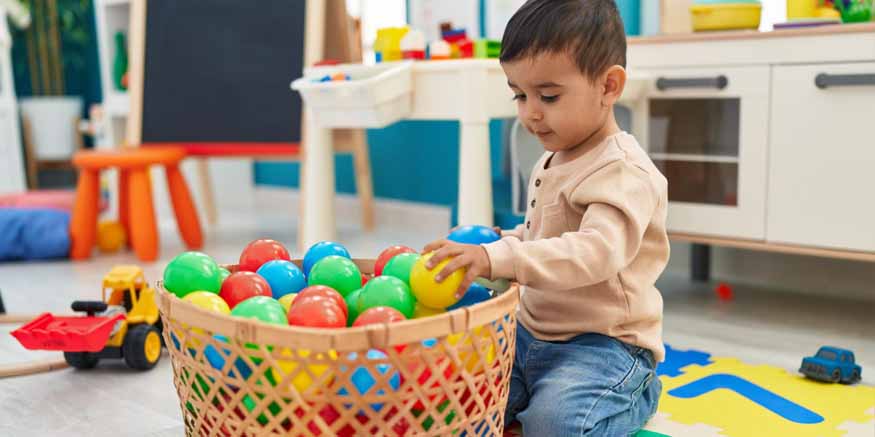
As a parent, I still remember how emotional and overwhelming it felt while searching for the right kids’ play school for my child. I wanted a place where my little one would feel safe, loved, and excited to learn every day. Like many parents today, I soon realised that good playgroup activities are not just about keeping children busy. They play a major role in emotional, social, and cognitive growth during the early years.
So, whether you are exploring play school admission options for the first time or searching for a trusted preschool in Nagpur, understanding what a playgroup truly offers can help you make a confident and informed decision for your child’s future.
Understanding a Playgroup
A playgroup is an early learning environment designed for toddlers, usually between the ages of 1.5 and 3 years. Unlike formal schooling, playgroups focus on learning through play, interaction, movement, music, storytelling, and sensory experiences.
The main purpose of a playgroup is to create a safe and nurturing space where children can gradually adapt to a structured environment outside their homes. At this stage, children are naturally curious and eager to explore the world around them. Through carefully planned playgroup activities, they begin developing communication, coordination, confidence, and social skills.
For Indian parents, especially in urban cities like Nagpur, playgroups have become an important part of early childhood education. Modern parents now recognise that learning does not begin in primary school. A child’s brain develops rapidly during the first five years, making these formative years extremely important for long-term growth.
Why Playgroups Matter in Early Childhood
Research worldwide has shown that children learn best through interactive experiences in their early years. This is why early childhood education focuses heavily on activity-based learning rather than memorisation.
A good playgroup introduces children to:
- Group interaction
- Listening and speaking skills
- Creative play
- Basic routines
- Emotional expression
- Fine and gross motor development
For many children, a playgroup is their first experience away from parents for a few hours. This transition helps build independence gradually and positively.
In India, where family structures are changing and nuclear families are becoming more common, playgroups also provide opportunities for children to interact regularly with peers of the same age group. This social exposure plays a vital role in healthy toddler development.
Key Features of a Good Playgroup
Not all playgroups are the same. Parents should look beyond colourful classrooms and focus on the overall learning environment.
Here are some important features of a quality playgroup:
1. Safe and Child-Friendly Environment
Safety is the top priority in any kids’ play school. Furniture, toys, flooring, and learning materials should be age-appropriate and safe for toddlers.
Children should feel emotionally secure as well. Warm and caring teachers help toddlers settle comfortably into the classroom environment.
2. Structured Yet Flexible Routine
Toddlers thrive on routines. A good playgroup balances structured learning with free play.
Typical schedules may include:
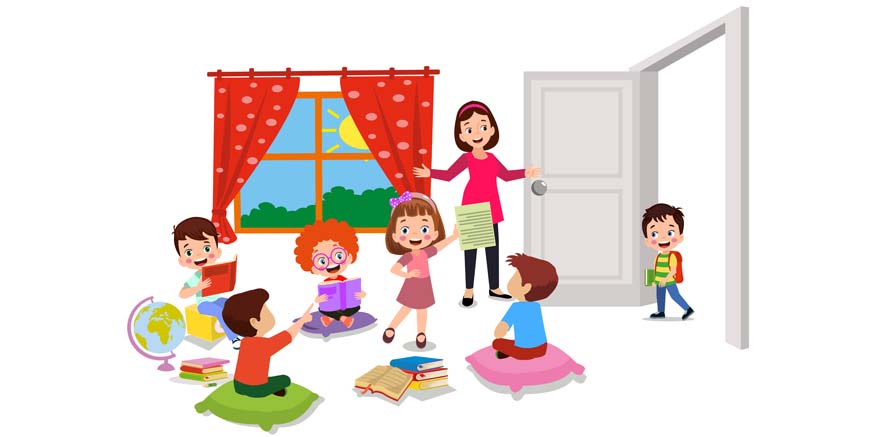
- Circle time
- Music and rhymes
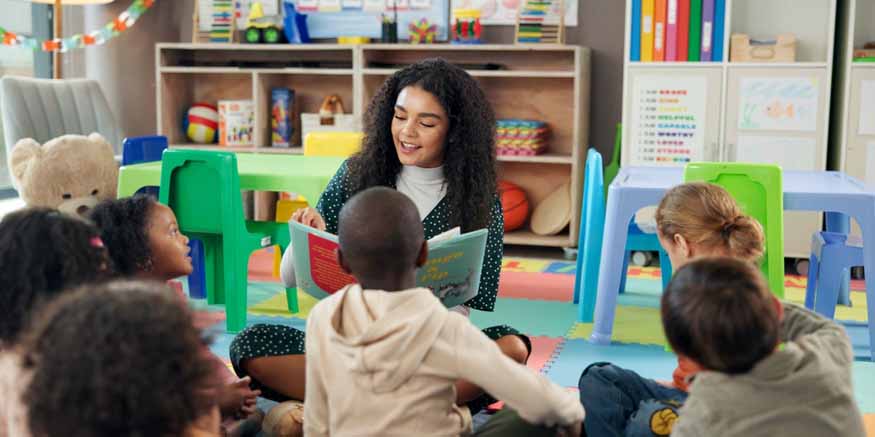
- Storytelling
- Art and craft
- Outdoor play
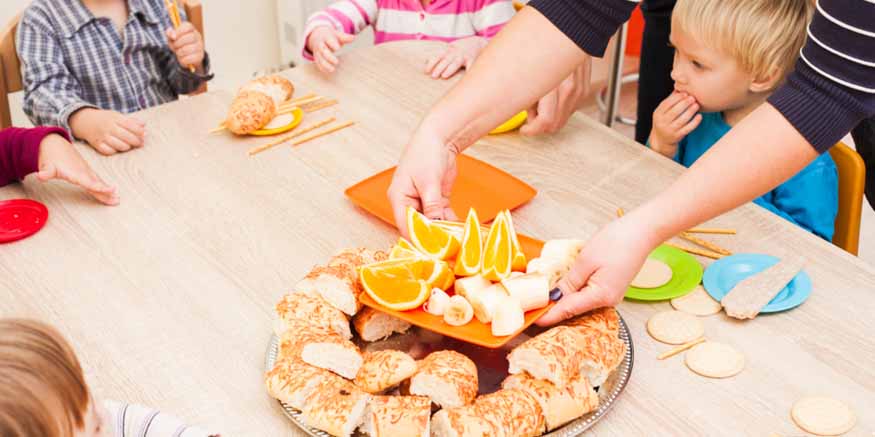
- Snack time
- Sensory exploration
3. Focus on Holistic Learning
Modern early childhood education is not limited to the alphabet and numbers. A quality playgroup supports all aspects of development, including:
- Language skills
- Emotional intelligence
- Creativity
- Physical coordination
- Social interaction
- Problem-solving
4. Experienced and Compassionate Teachers
Teachers play a major role in shaping early experiences. Toddlers need patience, warmth, encouragement, and gentle guidance.
Well-trained educators understand child psychology and can appropriately support every stage of toddler development.
Common Playgroup Activities That Help Children Learn
Children in playgroups learn primarily through exploration and engagement. Here are some common playgroup activities and how they help:
Music and Rhymes
Songs improve listening skills, language development, rhythm, and memory. Rhymes also encourage participation and confidence.
Storytelling
Story sessions introduce vocabulary, imagination, and comprehension skills. They also help children develop emotional understanding.
Art and Craft
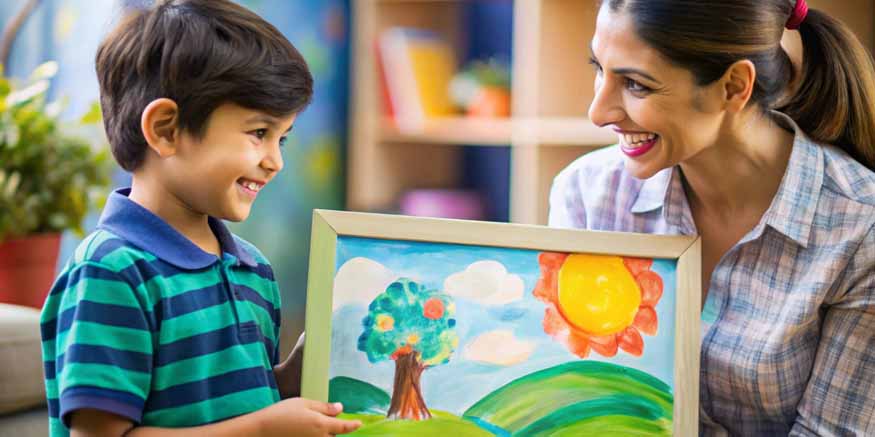
Simple art projects improve creativity and fine motor coordination. Activities like colouring, tearing paper, finger painting, and clay play strengthen hand muscles.
Sensory Play
Sensory bins, water play, sand activities, and textured materials stimulate curiosity and brain development.
Outdoor Play
Physical movement is essential for healthy toddler development. Running, climbing, balancing, and jumping improve motor skills and overall fitness.
Pretend Play
Role-playing activities encourage imagination and communication. Children learn social interaction naturally through pretend games.
Playgroup Benefits for Toddlers
There are several important benefits of playgroups that positively influence a child’s growth and readiness for school.
Improved Social Skills
Children learn how to share, take turns, communicate, and cooperate with others.
Better Communication
Regular interaction with teachers and classmates improves vocabulary and speaking confidence.
Emotional Development
Playgroups help children understand emotions and express themselves appropriately.
School Readiness
A structured environment prepares children for future classroom routines and expectations.
Increased Independence
Children learn to manage simple tasks independently, such as putting away toys or carrying their bags.
Stronger Cognitive Skills
Interactive learning experiences improve memory, attention span, and problem-solving abilities.
These playgroup benefits create a strong foundation for lifelong learning.
The Role of Parents in Playgroup Learning
Successful parenting of toddlers involves active participation in a child’s early learning journey. Parents and teachers work together to support healthy development.
Here are some ways parents can help:
Encourage Communication
Talk to your child regularly about their day, activities, and feelings.
Maintain Consistent Routines
Regular sleeping, eating, and learning schedules help toddlers feel secure.
Avoid Academic Pressure
At this stage, learning should remain joyful and stress-free.
Support Independence
Allow children to perform simple tasks on their own whenever possible.
Stay Positive During Separation
Some toddlers may cry at drop-off initially. Calm reassurance from parents helps children adjust faster.
Effective parenting of toddlers requires patience, encouragement, and understanding that every child develops at their own pace.
When Should a Child Join a Playgroup?
Most children join playgroups between 18 months and 2.5 years of age. However, readiness depends on the child’s comfort level, communication abilities, and emotional maturity.
Parents can look for signs such as:
- Interest in interacting with other children
- Curiosity about new environments
- Ability to follow simple instructions
- Comfort staying away from parents briefly
Every child is unique, so comparisons should be avoided.
Choosing the Right Playgroup: What Indian Parents Should Consider
With numerous options available, selecting the right playgroup requires careful thought. Here are factors worth evaluating:
- Safety and Hygiene: The facility should be clean, childproofed, and equipped with age-appropriate furniture and equipment.
- Teacher Qualifications: Educators should have training in early childhood education and experience working with toddlers.
- Child-to-Teacher Ratio: Smaller groups ensure each child receives adequate attention. A ratio of 8:1 or lower is generally recommended for this age group.
- Curriculum Approach: Look for a balance between structured activities and free play. The best playgroups incorporate learning into enjoyable experiences rather than forcing academic content.
- Communication with Parents: Regular updates on your child’s progress and open communication channels indicate a school that values parent partnership.
Why Early Childhood Education Matters More Than Ever
Today’s world requires children to be adaptable, confident, creative, and emotionally strong. These qualities begin developing much earlier than many parents realise.
High-quality early childhood education focuses on nurturing the whole child rather than simply teaching academics. It lays the groundwork for:
- Lifelong learning
- Confidence
- Social awareness
- Communication skills
- Emotional intelligence
For Indian parents, investing in strong early learning experiences can positively shape a child’s future educational journey.
A playgroup is much more than a place where children spend a few hours each day. It is a nurturing environment where curiosity, confidence, creativity, and social skills begin to flourish through meaningful experiences and engaging playgroup activities.
At Mother’s Pet Kindergarten, children are guided through joyful learning experiences that support healthy toddler development and strong foundations in early childhood education. Parents seeking reliable play school admission opportunities can explore the school’s nurturing programs and visit the admissions page to learn more about enrolling their child in a trusted kids’ play school and pre-nursery in Nagpur.








Recent Comments