
I still remember the endless conversations my sister and I had when my nephew was nearing two years old. Every family gathering somehow turned into a discussion about his toddler milestones, his speech, his curiosity, and whether he was emotionally ready for school. Like many Indian parents, my sister constantly worried about the right school-readiness age and kept asking questions about different stages of child development.
She spent weeks researching when to start preschool so she could make the best decision for her son without rushing his childhood. Watching her navigate this journey made me realise how confusing and emotional the decision can feel for parents everywhere.
Why Indian Parents Often Feel Confused About the Right Age
One of the biggest concerns parents face today is deciding on the ideal age to introduce their child to a structured learning environment. In India, this decision is often influenced by advice from grandparents, comparisons with neighbours’ children, and pressure from competitive schooling systems.
Some parents worry that enrolling too early may emotionally overwhelm their child. Others fear that waiting too long may affect learning and social adjustment later. The truth is that every child develops differently. Understanding child development stages is far more important than simply following age charts.
Globally, most children begin playgroup between 18 months and 3 years. However, emotional readiness matters just as much as physical age.
What Exactly Is a Playgroup?
A playgroup is usually the first step into structured learning for toddlers. Unlike formal academics, this approach focuses on social interaction, exploration, creativity, communication, and emotional confidence.
A good kids’ play school creates a safe environment where toddlers can gradually adjust to being around teachers and other children. Through guided routines and engaging playgroup activities, children naturally begin to develop independence and social skills.
Playgroups are especially valuable today because many children spend most of their early years indoors or with limited peer interaction. These environments help children learn how to communicate, share, observe, and express emotions confidently.
Understanding Toddler Milestones Before Starting Playgroup
Every parent should observe important toddler milestones before considering enrolment in a playgroup. These milestones provide insight into whether a child may adapt comfortably to a classroom environment.
Some signs that your toddler may be ready include:
- Showing curiosity about other children
- Following simple instructions
- Responding to their name consistently
- Walking independently
- Using basic words or gestures to communicate
- Showing interest in toys, music, or group interaction
- Managing short periods away from parents
Children do not need to master all these skills perfectly. The goal is simply to assess whether they are emotionally and socially prepared for gradual separation and structured interaction.
Is There a Perfect School Readiness Age?
Many Indian parents search online for the ideal school-readiness age, hoping to find a single correct answer. In reality, readiness depends on multiple developmental factors.
For most toddlers, the transition to a playgroup happens smoothly between 1.8 and 2.5 years. However, emotional maturity matters more than comparison with other children.
Some toddlers adapt quickly within days, while others may need weeks to settle comfortably. This is completely normal.
Parents should avoid statements like:
- “Other children are already speaking more”
- “Everyone else has started school”
- “My child is falling behind”
Every child experiences different child development stages at their own pace. Comparing children often creates unnecessary stress for both parents and toddlers.
How Child Development Stages Influence Readiness
The early years are filled with rapid brain growth and emotional learning. Understanding child development stages can help parents make informed decisions about school readiness.
Emotional Development
Toddlers begin learning how to express feelings, handle frustration, and seek comfort. A playgroup environment helps gradually strengthen emotional resilience.
Social Development
Children start noticing peers, observing behaviour, and participating in group interaction. This makes playgroup activities extremely beneficial during these years.
Language Development
At this age, toddlers begin expanding their vocabulary and understanding communication patterns. Songs, stories, and conversations in a kids’ play school support language growth naturally.
Physical Development
Activities involving movement, balancing, dancing, climbing, and sensory play strengthen motor skills and coordination.
Cognitive Development
Toddlers become curious problem-solvers. They learn through observation, repetition, experimentation, and imaginative play.
Understanding these child development stages helps parents focus on holistic growth rather than academic pressure.
When to Start Preschool: Questions Indian Parents Often Ask
The question of when to start preschool is one of the most searched parenting concerns today. Here are some common doubts parents face.
“My Child Cries Around Strangers. Should I Wait?”
Not necessarily. Mild separation anxiety is normal at this age. Experienced teachers in a nurturing kids’ play school know how to help children adjust gradually.
“Should My Child Be Toilet Trained Before Playgroup?”
Many playgroups accept toddlers who are still learning toilet habits. Independence develops gradually through routines and guidance.
“What If My Child Is Very Active?”
High energy levels are common among toddlers. Structured playgroup activities often help channel that energy in a positive way.
“Will Starting Early Affect My Child Emotionally?”
A supportive and caring environment generally strengthens emotional confidence rather than harming it.
Signs Your Toddler May Be Ready for Playgroup
As parents, it is important to look beyond age alone. Here are some practical signs your child may be ready for a playgroup experience.
Curiosity About the World
If your child enjoys exploring new spaces and observing people, they may enjoy group learning environments.
Interest in Interaction
Children who smile at others, imitate behaviour, or engage during social situations often adjust more easily.
Ability to Follow Simple Routines
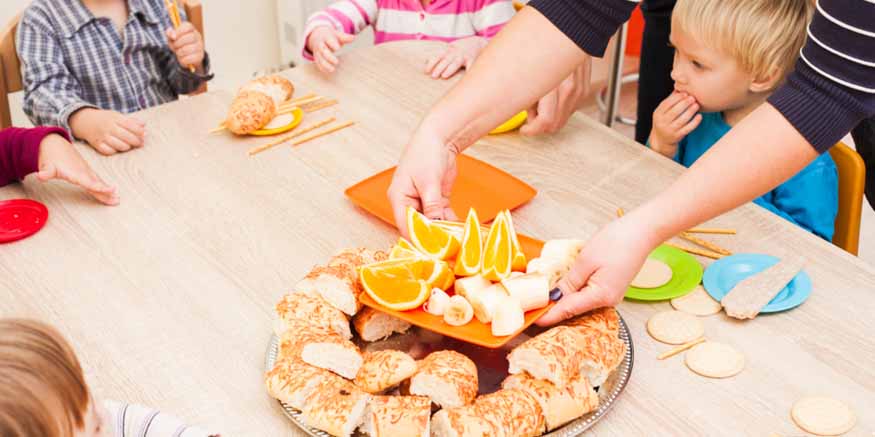
Basic routines such as snack time, cleaning up toys, or sitting briefly during stories can indicate growing readiness.
Comfort with Short Separation
Some toddlers can stay comfortably with grandparents or caregivers for short periods. This may help ease the transition into school.
How Playgroup Activities Build Confidence
Well-designed playgroup activities are not random entertainment. They are carefully planned experiences that support learning and development.
Common activities include:
- Music and rhymes
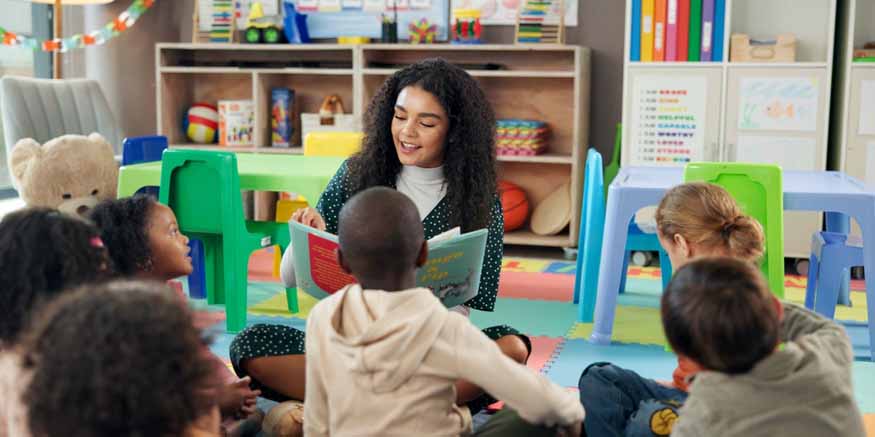
- Storytelling
- Water play
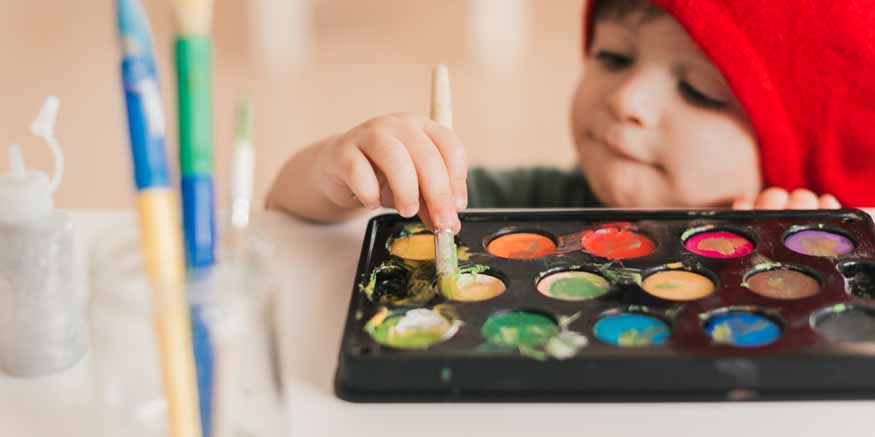
- Art and craft
- Building blocks
- Outdoor games
- Pretend play
- Sensory exploration
These activities encourage creativity, communication, and confidence. More importantly, they help children associate learning with joy instead of pressure.
In modern early childhood education, learning through play is considered one of the most effective methods for healthy development.
The Emotional Journey for Indian Parents
In Indian families, a child’s first day of playgroup is often emotional, not only for the toddler but also for the parents. Mothers especially may experience anxiety, guilt, or self-doubt.
My sister experienced this deeply when my nephew started his first week at school. She worried whether he would eat properly, cry too much, or feel abandoned. But within a few weeks, she noticed positive changes. He became more expressive, socially confident, and eager to participate in daily routines.
This experience reminded our family that readiness is not about perfection. It is about giving children opportunities to grow gradually in a nurturing environment.
Choosing the Right Kids’ Play School in Nagpur
Parents searching for a trusted preschool in Nagpur focus on more than academics alone.
A good playgroup environment offer:
- Warm and caring teachers
- Safe classrooms
- Age-appropriate learning materials
- Balanced routines
- Child-friendly infrastructure
- Open communication with parents
- Engaging playgroup activities
The right environment can make the transition into school positive and enjoyable for both children and parents.
Before completing Play School Admission, parents should visit the school personally, observe teacher interactions, and understand the learning philosophy.
Why Early Playgroup Experiences Matter Globally
Across the world, experts in child psychology and education agree that the early years shape future learning abilities. High-quality preschool experiences help children build:
- Communication skills
- Emotional intelligence
- Social confidence
- Independence
- Curiosity
- Problem-solving abilities
A nurturing kids’ play school does not rush academics. Instead, it supports healthy development through meaningful experiences.
This balance is especially important in today’s fast-paced world, where children are increasingly exposed to screens and limited outdoor interaction.
Final Thoughts
Deciding when to start preschool is a deeply personal choice for every family. There is no single perfect age that applies to every child. Understanding your child’s personality, emotional comfort, and developmental progress is far more important than comparison or pressure.
At Mother’s Pet Kindergarten, children are welcomed into a nurturing environment that supports healthy growth through joyful learning and engaging playgroup activities. Parents exploring Play school admission opportunities or searching for a trusted pre-nursery school in Nagpur can visit the admissions page to learn more about helping their toddlers begin this important journey with confidence.




Recent Comments