Starting kindergarten is an exciting milestone for both children and parents. Along with the excitement often come questions: Is my child emotionally prepared? Can they follow instructions? Will they adjust to a classroom environment?
Understanding the key signs of kindergarten readiness can help answer these questions with confidence. While every child develops at their own pace, a practical school readiness checklist helps parents recognise strengths and identify areas where gentle support may be beneficial. With the right KG preparation tips, children can begin kindergarten feeling confident, secure, and eager to learn.
What Does Kindergarten Readiness Mean?
Many parents believe kindergarten readiness is about knowing letters, numbers, and colours. In reality, it is much broader.
A child is generally ready for kindergarten when they are developing skills in:
- Emotional maturity
- Social confidence
- Communication
- Physical coordination
- Cognitive development
- Independence
A quality kindergarten programme focuses on the whole child, ensuring they are ready to participate, interact, and enjoy learning.
Why Readiness Matters
Kindergarten is often a child’s first experience with structured learning. Children who show key kindergarten readiness signs are usually better able to:
- Adapt to daily routines
- Build friendships
- Follow instructions
- Participate in classroom activities
- Enjoy learning experiences
Readiness does not mean mastering every skill. It means having the foundation needed to thrive in a supportive environment.
Kindergarten Readiness Checklist
Children do not need to achieve every milestone before starting school. This checklist serves as a guide rather than a test.
Emotional Readiness
Children should be developing the ability to:
- Express feelings using words
- Cope with small disappointments
- Accept simple boundaries
- Separate from parents with reassurance
- Ask for help when needed
Feeling nervous about starting school is normal. What matters most is the ability to adapt with encouragement.
Social Readiness
Kindergarten involves interacting with teachers and classmates.
Children benefit from learning to:
- Take turns
- Share materials
- Participate in group activities
- Listen to others
- Build friendships
Perfect social skills are not expected, but a willingness to engage is important.
Communication Skills
Strong communication helps children participate confidently in the classroom.
Children should gradually learn to:
- Speak in simple sentences
- Express basic needs clearly
- Follow simple instructions
- Answer and ask simple questions
- Join everyday conversations
These skills also support future literacy development.
Listening and Attention
Children should be developing the ability to:
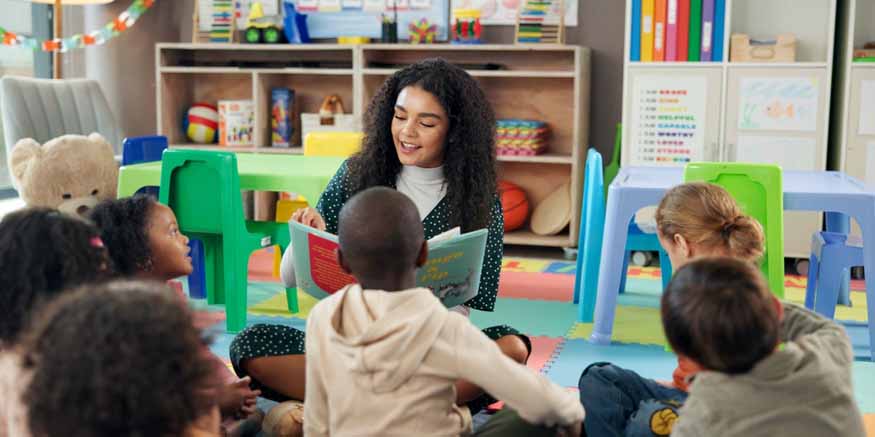
- Listen to stories
- Follow simple directions
- Complete short activities
- Focus for brief periods
Long attention spans are not expected at this age, but growing listening skills make classroom learning easier.
Physical Development
Motor skills help children participate confidently in both classroom and outdoor activities.
Fine motor skills include:
- Holding crayons or pencils
- Drawing simple shapes
- Turning book pages
- Using child-safe scissors
Gross motor skills include:
- Running
- Jumping
- Balancing
- Climbing
- Participating in active play
Independence
Encouraging independence is one of the best ways to prepare children for kindergarten.
Children benefit from learning to:
- Carry their belongings
- Wash their hands
- Use the washroom with minimal assistance
- Follow simple routines
- Clean up after activities
These everyday skills build confidence and responsibility.
Early Literacy Awareness
Children do not need to read before kindergarten, but they should be developing an interest in language.
Helpful signs include:
- Enjoying storybooks
- Recognising some letters
- Joining in rhymes and songs
- Understanding that books and print have meaning
The focus should remain on enjoyment rather than formal learning.
Early Numeracy Awareness
Likewise, advanced mathematics is not expected.
Children may begin to:
- Count everyday objects
- Recognise some numbers
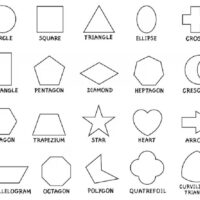
- Identify basic shapes
- Notice patterns
- Compare sizes
These experiences introduce mathematical thinking in natural, playful ways.
Curiosity and Willingness to Learn
One of the strongest indicators of readiness is curiosity.
Children who ask questions, explore new ideas, enjoy discovering new things, and participate willingly often adapt well to kindergarten. A love for learning is more valuable than early academic achievement.
Common Concerns Parents Have
Many parents worry because they compare their child with others.
Common concerns include:
- Limited writing skills
- Shyness
- Separation anxiety
- Short attention spans
Children develop at different rates, and readiness looks different for every child. Focus on steady progress rather than perfection.
KG Preparation Tips for Parents
Parents can build readiness through simple daily routines.
- Read together every day to strengthen language and listening skills.
- Encourage independence by allowing children to complete age-appropriate tasks.
- Maintain predictable routines that help children feel secure.
- Provide opportunities for social interaction through family activities and play.
- Encourage curiosity by answering questions and exploring new ideas together.
These everyday experiences prepare children naturally without creating unnecessary pressure.
What Parents Should Avoid
While preparing children for kindergarten, avoid:
- Comparing your child with others
- Pushing formal academics too early
- Overloading schedules with activities
- Creating anxiety about school
- Expecting perfection
A confident, happy child is better prepared for learning than one who feels pressured.
If you found this useful, our Nursery Admission Checklist follows the same practical approach.
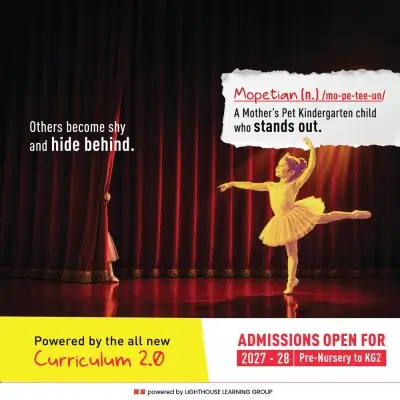
Why Parents Trust Mother’s Pet Kindergarten
For more than four decades, Mother’s Pet Kindergarten has supported children through every stage of their early learning journey with a child-centred approach.
The school focuses on:
- Emotional development
- Social confidence
- Communication skills
- Creativity
- Independence
- School readiness
Its nurturing environment helps children build the confidence and skills needed to succeed both inside and outside the classroom. Families seeking best kindergarten in Nagpur appreciate the school’s holistic approach to early childhood education.
Final Thoughts
Every child develops at their own pace, but understanding the key signs of kindergarten readiness helps parents approach this important milestone with confidence. A balanced school-readiness checklist and practical KG preparation tips encourage children to build confidence, communication skills, independence, and curiosity before they begin school.
At Mother’s Pet Kindergarten, every child is supported through developmentally appropriate learning experiences that make the transition to kindergarten positive and enjoyable. Parents exploring kindergarten admission in Nagpur can visit the admissions page to learn how the school helps children begin their educational journey with confidence and a lifelong love for learning.


Recent Comments