

A close friend of mine once admitted that one of her biggest parenting mistakes was not understanding the difference between playgroup vs nursery programs. Like many parents, she assumed they were exactly the same. Without fully understanding the different preschool stages India follows, she enrolled her three-year-old daughter directly into nursery. Within weeks, her child became anxious, struggled with routines, and found it difficult to adjust socially. My friend later realised her daughter had missed the gradual transition that a playgroup provides during the early years of early education. The experience taught her an important lesson about emotional readiness, structured learning, and the need to understand nursery readiness before choosing the next step in a child’s educational journey.
Why Indian Parents Often Confuse Playgroup and Nursery
In India, preschool terminology can sometimes feel confusing for parents. Words like playgroup, nursery, pre-nursery, LKG, and kindergarten are often used interchangeably, even though each stage serves a different developmental purpose.
Many parents focus mainly on academics and assume that earlier schooling automatically gives children an advantage. However, understanding how different preschool stages work is important for a child’s emotional and cognitive growth.
The confusion around playgroup vs nursery becomes even more common because admission age criteria vary slightly between schools and cities. Some schools also use different naming systems for similar programs.
This is why parents need clarity about what each stage actually involves and which one should come first.
Understanding the Preschool Stages in India
The structure of preschool stages in India usually looks like this:
- Playgroup
- Nursery
- Junior KG
- Senior KG
Each stage is designed to align with specific developmental milestones.
Playgroup
Playgroup is usually the first step into a structured environment. Children generally join between 1.5 and 2.5 years of age.
The focus is on:
- Social interaction
- Sensory learning
- Emotional adjustment
- Communication skills
- Basic routines
- Creative exploration
Most learning happens through engaging playgroup activities rather than formal academics.
Nursery
Nursery is typically the next stage after playgroup. Children are usually around 3 to 4 years old.
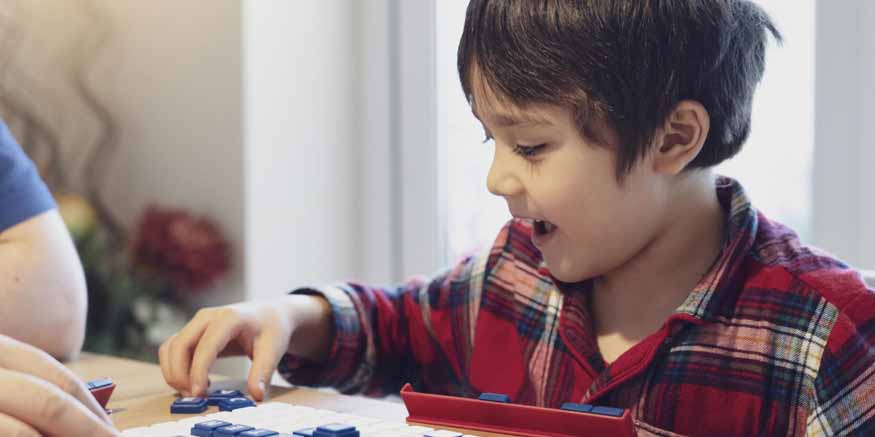
At this stage, learning becomes slightly more structured. Children are introduced to:
- Basic literacy concepts
- Number recognition
- Classroom routines
- Group participation
- Early writing readiness
- Listening and comprehension skills
The nursery environment still uses play-based learning but with greater emphasis on school readiness.
So, Which Comes First?
Simply put, playgroup comes before nursery.
Playgroup helps toddlers transition gently from home environments into social learning spaces. Nursery builds upon those foundational skills with slightly more structured learning experiences.
Children who participate in playgroups often adjust more comfortably to nursery because they are already familiar with:
- Group settings
- Teacher interaction
- Daily routines
- Peer communication
- Classroom participation
Skipping the playgroup stage may sometimes make nursery emotionally overwhelming for certain children.
This was exactly what happened to my friend’s daughter. Without prior exposure to a kids’ play school, she found the classroom environment unfamiliar and emotionally stressful.
What Happens in a Playgroup?
Many Indian parents underestimate the importance of playgroup learning because it may appear informal from the outside.
However, quality playgroup activities are carefully designed to support early development.
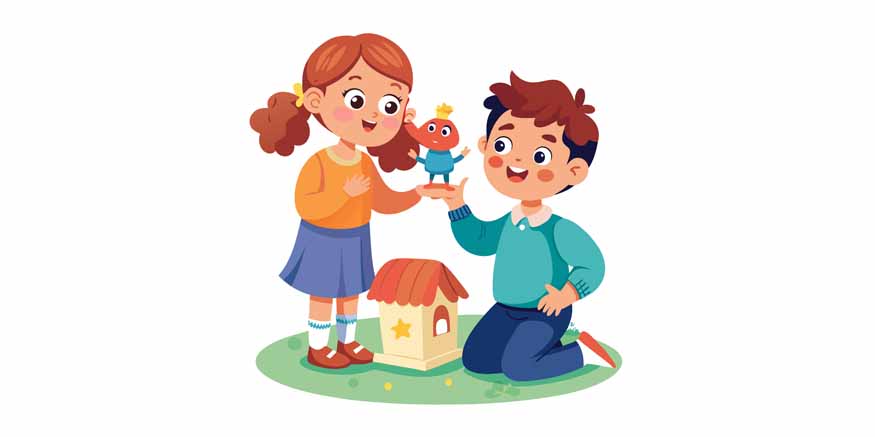
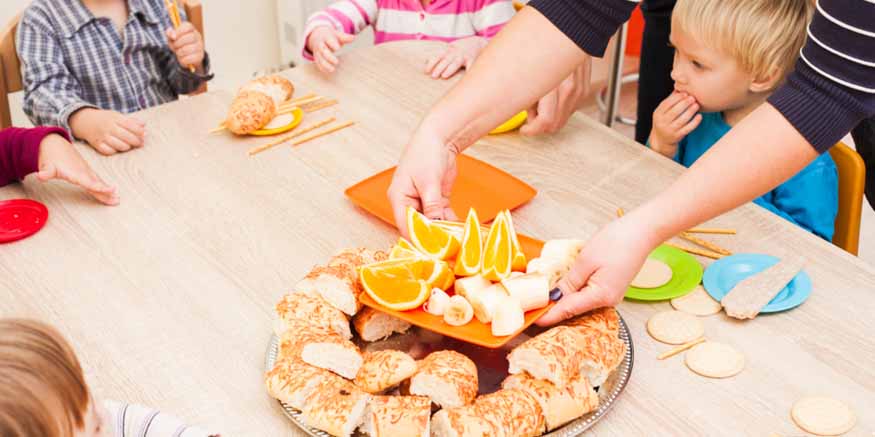
Typical playgroup sessions include:
- Music and rhymes
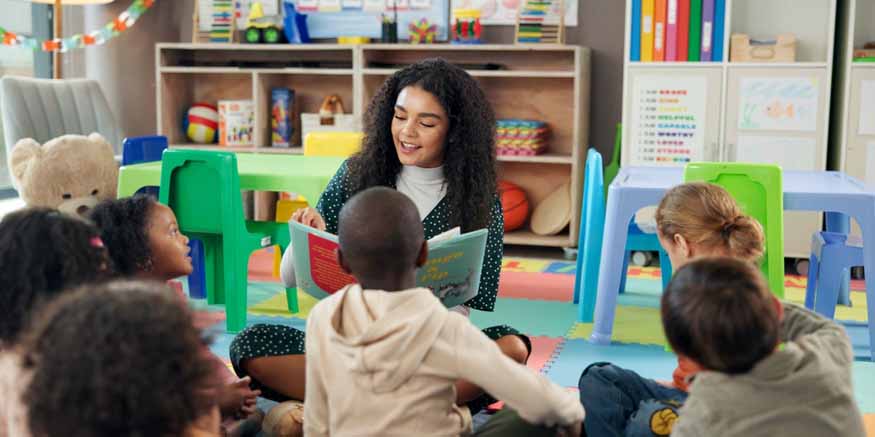
- Storytelling
- Sensory exploration
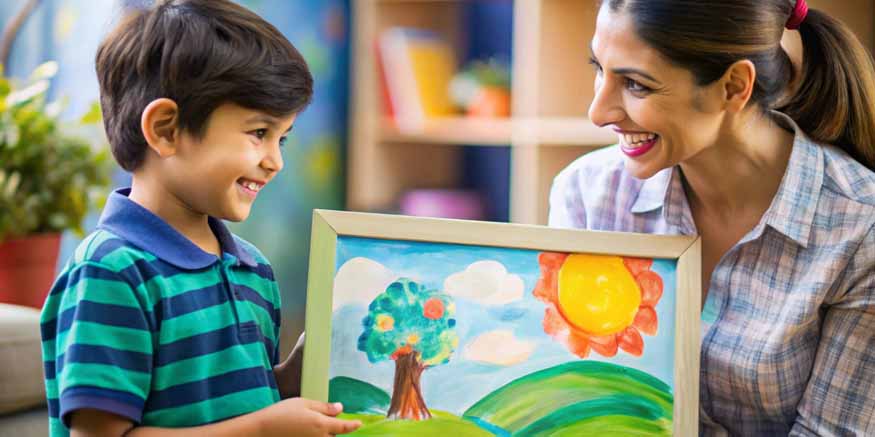
- Art and craft
- Outdoor play
- Free play interaction
- Movement activities
These activities strengthen:
- Language development
- Social confidence
- Emotional security
- Fine motor skills
- Curiosity and creativity
A nurturing kids’ play school focuses less on academic pressure and more on helping children feel emotionally secure in a learning environment.
What Makes Nursery Different?
Nursery introduces children to more organised learning experiences while still maintaining playful teaching methods.
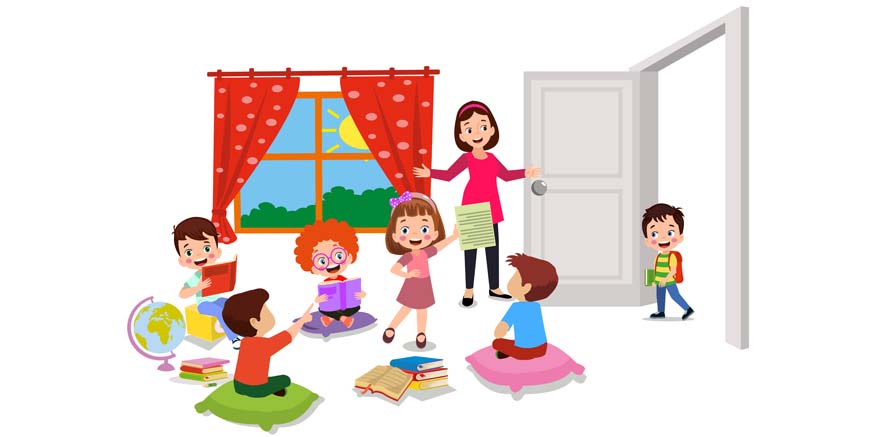
In nursery classrooms, children gradually begin:
- Recognising alphabets
- Understanding numbers
- Following structured instructions
- Participating in group learning
- Improving concentration skills
The goal is not heavy academics but gradual preparation for formal schooling.
This is why nursery readiness matters significantly. Children need emotional confidence and basic social adaptability before entering nursery classrooms comfortably.
Why Nursery Readiness Is More Important Than Age Alone
Many parents focus only on the admission age mentioned by schools. However, true nursery readiness depends on developmental and emotional factors beyond age.
Some important signs of readiness include:
- Ability to stay away from parents briefly
- Interest in interacting with other children
- Ability to follow simple instructions
- Comfort with routines
- Basic communication skills
- Curiosity about learning environments
Every child develops differently. Comparing children based solely on age often creates unnecessary stress for families.
How Playgroup Activities Build Nursery Readiness
Well-designed playgroup activities help prepare toddlers for future learning in multiple ways.
Emotional Adjustment
Children gradually become comfortable separating from parents and interacting with teachers.
Social Skills
Toddlers learn to share, communicate, cooperate, and participate in groups.
Listening Skills
Story sessions, rhymes, and games improve attention span and listening abilities.
Physical Coordination
Activities involving movement, drawing, and sensory play strengthen motor development.
Routine Building
Regular schedules help children adapt to classroom structure naturally.
These small but meaningful experiences lay the foundation for a smooth nursery adjustment.
Common Mistakes Indian Parents Make
Understanding playgroup vs nursery can help parents avoid several common mistakes.
Starting Formal Learning Too Early
Some parents rush children into structured academics before they are emotionally ready. This can create anxiety and resistance toward learning.
Comparing Children Constantly
Every child reaches developmental milestones differently. Comparing speech, writing, or social behaviour often causes unnecessary pressure.
Ignoring Emotional Readiness
Parents sometimes focus heavily on academic skills while overlooking emotional confidence and independence.
Choosing Schools Based Only on Reputation
A famous school may not always be the right emotional fit for every child. A nurturing environment matters greatly during early childhood.
How Indian Families Are Changing Their Approach to Early Education
Over the last decade, Indian parents have become increasingly aware of the importance of balanced early education.
Today, many families understand that learning during the early years should focus on:
- Creativity
- Communication
- Emotional intelligence
- Social confidence
- Exploration through play
This shift has encouraged more schools to adopt child-centred teaching methods rather than rigid academic structures.
A good kids’ play school now focuses on holistic development instead of memorisation alone.
How to Decide If Your Child Needs Playgroup First
Some parents wonder whether their child can directly start nursery without attending a playgroup.
The answer depends on the child’s comfort and development.
Playgroup is especially beneficial if your child:
- Has limited social interaction
- Feels anxious around strangers
- Has never stayed away from home
- Needs help developing routines
- Is shy or emotionally sensitive
In such cases, the playgroup acts as a gentle bridge between home and school life.
Choosing the Right Preschool in Nagpur
Parents searching for a trusted Preschool in Nagpur should look beyond colourful classrooms and advertisements.
Before completing Play School admission, parents should evaluate:
- Teacher warmth and interaction
- Safety and hygiene
- Child-friendly infrastructure
- Emotional support systems
- Age-appropriate learning methods
- Balanced playgroup activities
- Parent communication practices
A supportive environment during the early years creates positive associations with learning that can last a lifetime.
Why Play-Based Learning Is Globally Recommended
Across the world, child development experts strongly support play-based learning during early childhood.
Play encourages children to:
- Explore independently
- Solve problems creatively
- Build confidence
- Strengthen emotional intelligence
- Improve communication skills
This is why quality early education programs prioritise experiential learning rather than academic pressure during the toddler years.
Children learn best when they feel emotionally secure, curious, and engaged.
The Emotional Side of Early Schooling
Parents often underestimate how emotionally significant the first school experience can be for toddlers.
My friend later admitted that she initially viewed preschool only as an academic step. But after watching her daughter struggle emotionally, she realised that the transition itself needed preparation.
Once her child later participated in engaging playgroup activities, everything changed. She became more expressive, independent, and eager to attend school.
That experience taught all of us around her that emotional readiness matters just as much as intellectual learning during early childhood.
Final Thoughts
Understanding the difference between a playgroup vs nursery helps parents make informed decisions that support their child’s emotional and developmental needs. While the playgroup focuses on social adjustment and exploration, the nursery gradually introduces more structured learning experiences built upon those foundational skills.
At Mother’s Pet Kindergarten, children are guided through joyful learning experiences designed to support healthy growth, emotional confidence, and smooth school transitions through engaging playgroup activities. Parents exploring play school admission options or searching for a nurturing play school in Nagpur can visit the admissions page to learn more about how to help their child begin their educational journey with confidence and care.






Recent Comments