
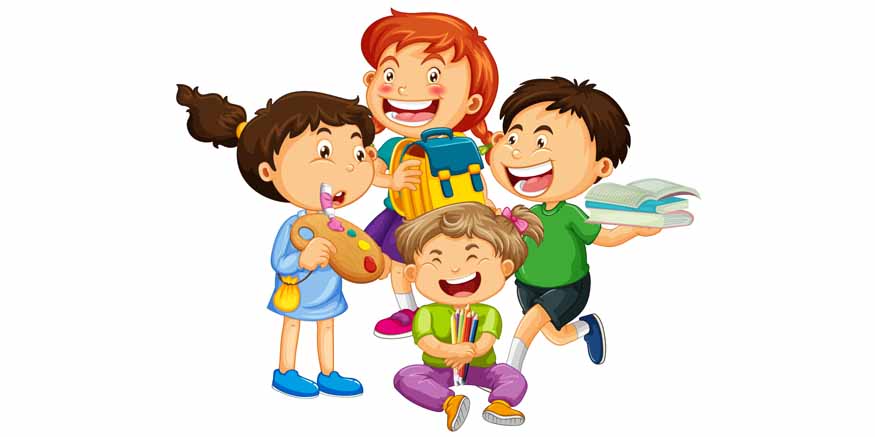
I still remember how beautifully my sister handled her son’s first day of school experience. Like many Indian mothers, she was emotional and anxious about sending her toddler to a kids’ play school for the very first time. But instead of waiting until the last minute, she started his toddler school preparation weeks in advance.
She spoke positively about school, practised simple routines at home, introduced him to basic playgroup activities, and followed gentle school transition tips to help him feel secure. What amazed me most was how calmly he walked into school on that first morning. Watching her thoughtful preparation reduce his school anxiety and toddler fears taught me how powerful small parenting steps can be during early childhood.
Why the First Day of Playgroup Feels Emotional for Parents
For many parents, especially in India, the first school experience is an emotional milestone not only for the child but also for the entire family.
It is often the first time toddlers spend several hours away from home and parents. Naturally, families worry about:
- Crying during drop-off
- Difficulty adjusting
- Eating properly at school
- Interacting with teachers
- Social comfort
The emotional pressure around the first day of school experience is very common. However, with proper preparation and realistic expectations, this transition can become much smoother for both toddlers and parents.
Why Toddler School Preparation Matters
Young children thrive on familiarity and routine. Sudden changes can sometimes feel overwhelming because toddlers are still developing emotional regulation skills.
This is why thoughtful toddler school preparation is extremely important before joining a play school for kids
Preparing children gradually helps:
- Build emotional confidence
- Reduce separation anxiety
- Create positive associations with school
- Improve social comfort
- Encourage independence
Children who feel emotionally secure often adapt more comfortably to new environments.
Understanding School Anxiety in Toddlers
Experiencing school anxiety and toddler emotions is completely normal during the early years.
Toddlers may:
- Cry during separation
- Become clingy
- Refuse to enter the classroom
- Show changes in sleep or eating patterns
- Become unusually quiet or emotional
These reactions usually occur when children enter an unfamiliar environment with new faces, sounds, and routines.
Parents should remember that temporary anxiety does not mean the child is not ready for school. Most children adjust gradually with consistency, reassurance, and patience.
Start Talking About School Early
One of the best school transition tips is to begin conversations about school several weeks before the actual start date.
My sister spoke about school positively every day before her son joined playgroup. She described his future classroom as a happy place filled with toys, songs, stories, and friends.
This simple habit helped him feel curious rather than fearful.
Parents can talk about:
- Teachers
- Toys and books
- Friends at school
- Music and rhymes
- Fun playgroup activities
Avoid using school as a threat or punishment. Positive language helps children build emotional comfort.
Visit the School Before the First Day
Familiarity reduces fear significantly.
If possible, parents should visit the Pre Nursery school with their child before classes officially begin.
Allow toddlers to:
- See the classroom
- Meet teachers
- Explore play areas
- Observe other children
- Become comfortable with the environment
These visits make the actual first day of school feel less unfamiliar.
Many schools today organise orientation sessions specifically to help children transition smoothly.
Build Simple Routines at Home
Consistent routines create emotional security for toddlers.
A few weeks before school begins, parents can gradually introduce:
- Regular wake-up times
- Meal schedules
- Nap routines
- Getting dressed independently
- Packing bags together
These habits support smoother preparation for toddler school because children naturally begin adapting to structured daily patterns.
Simple routines also help reduce stress during busy school mornings.
Encourage Independence Gradually
Toddlers feel more confident when they learn small, independent tasks.
Parents can encourage children to:
- Hold their water bottle
- Put away toys
- Wear shoes with assistance
- Carry small bags
- Feed themselves partially
Independence does not develop overnight. Gentle encouragement helps children feel capable and secure within a classroom setting.
This confidence becomes especially helpful during the first few weeks at a kids’ play school.
Introduce Social Interaction Before School Starts
Some toddlers have limited interaction with children outside the family.
Before beginning school, parents can arrange:
- Playdates
- Park visits
- Family gatherings
- Group storytelling sessions
These social experiences help toddlers practise sharing, communication, and group participation.
Many common playgroup activities involve teamwork and interaction, so early exposure can improve comfort levels later.
Use Pretend Play to Explain School
Pretend play is one of the most effective school transition tips for toddlers.
My sister used toy animals and dolls to create imaginary school situations for her son. She pretended to be the teacher while he acted as the student.
This playful approach helped him understand:
- Classroom routines
- Teacher interaction
- Saying goodbye temporarily
- Playing with other children
Role-play reduces fear because children process unfamiliar situations through imagination and repetition.
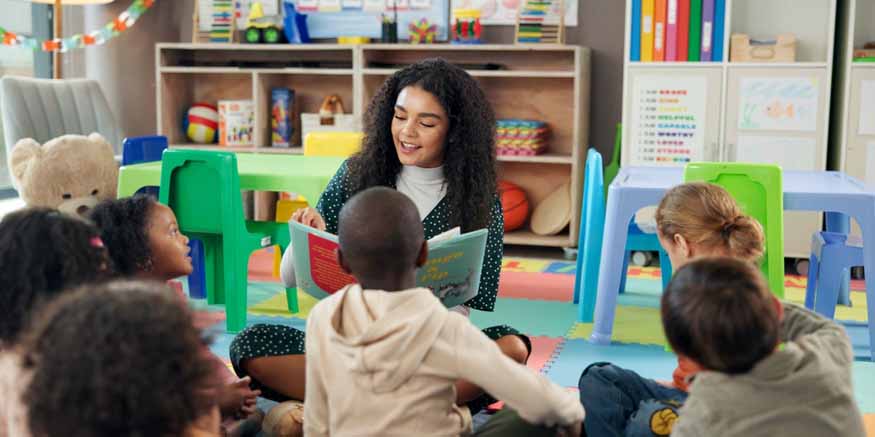
Read Books About Starting School
Storybooks about school can help toddlers emotionally prepare for new experiences.
Children often feel reassured when they see characters experiencing similar emotions.
Reading together also creates opportunities to discuss:
- Feelings
- Friendships
- Teachers
- Classroom routines
This gentle emotional preparation can reduce school anxiety concerns significantly.
Prepare for Separation Anxiety Calmly
One of the most difficult parts of the first day of school experience is often the goodbye moment.
Parents should:
- Stay calm and confident
- Keep goodbyes short
- Avoid disappearing secretly
- Reassure children clearly
- Promise to return on time
Children often mirror parental emotions. If parents appear highly anxious, toddlers may feel more insecure.
Even if tears happen initially, most children settle faster than parents expect once engaged in classroom routines and playgroup activities.
Avoid Overloading the Child Emotionally
During the first few weeks, avoid overwhelming toddlers with too many additional activities or major changes.
Children need emotional energy to adjust to school routines.
Try to maintain:
- Regular sleep schedules
- Calm evenings at home
- Predictable family routines
- Balanced screen time
This emotional stability helps children process the transition more comfortably.
Pack Comfort Items If Allowed
Some toddlers feel secure carrying familiar items from home.
Depending on school policy, parents may send:
- A favourite handkerchief
- Small family photo
- Familiar water bottle
- Comfort toy
These items can provide emotional reassurance during the early adjustment phase.
Focus on Emotional Readiness More Than Academics
Many Indian parents worry whether their toddlers know enough before joining school.
However, at the playgroup stage, emotional comfort matters far more than academic skills.
Children do not need to:
- Read alphabets perfectly
- Write independently
- Count fluently
A nurturing kids’ play school introduces learning gradually through engaging playgroup activities and interactive experiences.
The focus should remain on confidence, communication, curiosity, and emotional adjustment.
Support Healthy Communication With Teachers
Parents and teachers work together during the adjustment period.
Before completing the play school admission, parents should choose schools that encourage open communication with families.
Teachers can provide valuable feedback about:
- Emotional adjustment
- Social interaction
- Eating habits
- Participation levels
Positive parent-teacher collaboration helps children feel supported both at home and at school.
What Parents Should Avoid During the Transition
There are several common mistakes families unintentionally make during early school transitions.
Comparing Children
Every child adjusts differently. Some settle immediately while others need more time.
Showing Excessive Anxiety
Children often absorb parental emotions quickly.
Forcing Academics Too Early
Playgroup learning should remain playful and stress-free.
Extending Emotional Goodbyes
Long emotional farewells may increase the difficulty of separation.
Gentle consistency is usually the most effective approach.
Why Playgroup Activities Help Toddlers Adjust Faster
Interactive playgroup activities help children feel emotionally comfortable in the classroom.
Activities such as:
- Music and rhymes
- Sensory play
- Storytelling
- Art and craft
- Outdoor games
- Group play
encourage communication, creativity, and social bonding naturally.
Children often stop focusing on separation anxiety once they become engaged in enjoyable activities with peers and teachers.
Choosing the Right Preschool in Nagpur
Parents searching for a trusted preschool in Nagpur should prioritise emotional support alongside academics.
Before finalising play school admission, families should look for:
- Warm and caring teachers
- Safe classrooms
- Child-friendly routines
- Engaging playgroup activities
- Strong parent communication
- Balanced learning environments
A nurturing school environment can transform a child’s first educational experience into a joyful and positive memory.
The Long-Term Impact of a Positive First School Experience
The first school experience often shapes how children emotionally respond to learning in the future.
A positive transition helps children develop:
- Confidence
- Curiosity
- Emotional resilience
- Social comfort
- Love for learning
When toddlers feel secure and supported, they begin associating school with safety, exploration, and joy rather than fear.
This foundation matters deeply during early childhood.
Final Thoughts
Preparing toddlers emotionally before their first day of school experience can make a remarkable difference in how confidently they adjust to their new environment. Through thoughtful toddler school preparation, positive routines, and gentle school transition tips, parents can help reduce school anxiety concerns and create a smooth beginning to early learning.
At Mother’s Pet Kindergarten, children are welcomed into a caring environment that supports emotional comfort, joyful learning, and healthy growth through engaging playgroup activities. Parents exploring play school admission opportunities or searching for a trusted pre-nursery school in Khamla Square can visit the admissions page to learn how to help their child begin their educational journey with confidence and happiness




Recent Comments