
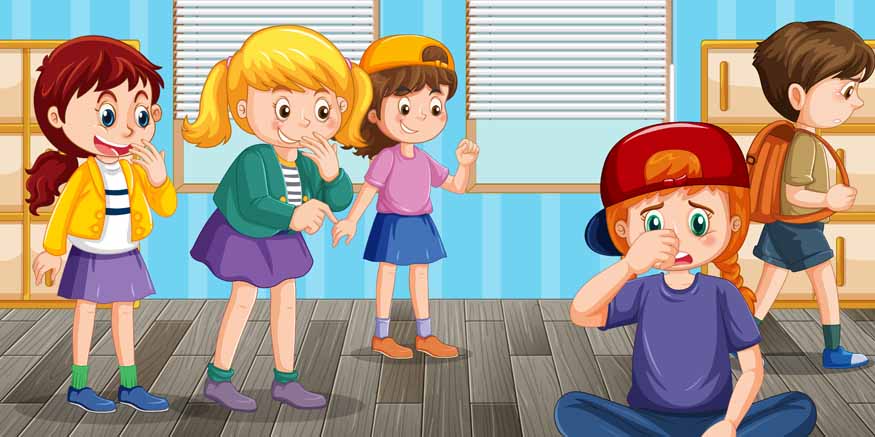
My colleague has struggled emotionally during the first few weeks of dropping her daughter off at a pre-nursery school. Every morning, her little girl would cling tightly to her, cry during goodbye, and refuse to enter the classroom. Like many parents experiencing separation anxiety toddler challenges for the first time, my colleague constantly questioned whether she had made the right decision.
She searched endlessly for school adjustment tips, worried about preschool anxiety, and wondered how much emotional support her daughter truly needed during this transition. But slowly, through patience, consistency, loving teachers, and engaging playgroup activities, things began to change beautifully.
Why Separation Anxiety Happens in Toddlers
Separation anxiety is a completely normal developmental phase during early childhood. Toddlers form strong emotional attachments with parents and caregivers because those relationships make them feel safe and protected.
When children suddenly enter unfamiliar environments, such as a play school, they may feel uncertain or overwhelmed. New classrooms, unknown adults, unfamiliar routines, and separation from parents can trigger emotional distress.
Many toddlers express this anxiety through:
- Crying during drop-off
- Clinging to parents
- Refusing to participate
- Becoming unusually quiet
- Tantrums or emotional outbursts
- Changes in appetite or sleep patterns
Parents should remember that these reactions are common and temporary for most children.
Why Preschool Anxiety Feels Harder for Parents Than Children
In many Indian families, the emotional experience of preschool anxiety affects parents just as deeply as children.
Mothers especially may feel:
- Guilt about leaving the child
- Fear that the child feels abandoned
- Anxiety about emotional well-being
- Pressure from family opinions
- Doubts about school readiness
My colleague admitted that she cried in her car several times after leaving her daughter at school. Yet within weeks, she noticed that her child slowly became more curious, more social, and more emotionally secure.
Sometimes parents need reassurance just as much as toddlers do during this transition.
Understanding That Separation Anxiety Is Temporary
One of the most important things parents should know is that separation anxiety in toddlers is usually temporary.
Most children gradually adjust once they:
- Build trust with teachers
- Become familiar with routines
- Develop friendships
- Feel emotionally safe
- Engage in enjoyable playgroup activities
Adjustment does not always happen immediately. Some toddlers settle within days, while others may need several weeks.
Patience and consistency are extremely important during this phase.
Signs Your Toddler May Be Experiencing Preschool Anxiety
Every child expresses emotions differently. Some toddlers cry openly, while others become unusually quiet or withdrawn.
Common signs of preschool anxiety include:
- Refusing to enter the classroom
- Crying excessively during drop-off
- Clinging to parents
- Complaining of stomach aches
- Sudden sleep disturbances
- Increased irritability at home
- Loss of appetite
These behaviours are often emotional responses to change rather than signs that something is seriously wrong.
Why Emotional Support Matters During Early Schooling
Strong emotional support for children during the early years helps them build resilience and emotional security.
When toddlers feel emotionally understood and reassured, they learn:
- Trust
- Confidence
- Independence
- Emotional regulation
- Social adaptability
A nurturing pre-nursery school plays a major role in helping children feel safe during this adjustment period.
Warm teachers, gentle routines, and engaging classroom environments can significantly ease emotional stress.
Prepare Your Child Before School Starts
Preparation before school begins can reduce anxiety considerably.
Parents can:
- Talk positively about school
- Visit the classroom beforehand
- Introduce teachers gradually
- Read books about starting school
- Discuss daily routines
- Practise short separations at home
These simple school adjustment tips help toddlers become emotionally familiar with the idea of school before the actual experience begins.
Keep Goodbye Routines Calm and Short
One of the most difficult moments during the transition is often the morning goodbye.
Parents sometimes unintentionally increase anxiety by:
- Prolonging farewells
- Returning repeatedly after leaving
- Appearing visibly distressed
- Sneaking away secretly
Instead, experts recommend calm, predictable, and brief goodbyes.
Parents can:
- Hug the child warmly
- Reassure them confidently
- Say they will return soon
- Leave without hesitation
Children often settle faster once the parent leaves calmly.
Avoid Showing Your Own Anxiety
Toddlers are highly sensitive to parental emotions.
If parents appear fearful, emotional, or uncertain, children may interpret the environment as unsafe.
My colleague later admitted that her daughter’s anxiety improved significantly once she herself became calmer during drop-offs.
Parents should remember:
- Confidence reassures children
- Calm behaviour creates emotional security
- Consistency builds trust
Even when emotionally difficult, maintaining a composed attitude helps toddlers adjust faster.
Build Familiar Routines at Home
Consistent routines help children feel emotionally secure.
Simple daily patterns such as:
- Regular waking times
- Predictable meals
- Bedtime routines
- Packing school bags together
create stability during periods of change.
These routines support smoother transitions into the kids’ play school environment.
Encourage Social Interaction Before Playgroup
Some toddlers experience stronger anxiety simply because they have had limited interaction outside the home.
Parents can gradually increase social comfort by arranging:
- Playdates
- Family visits
- Park outings
- Group storytelling sessions
These interactions help children practise communication and social participation before entering formal classroom settings.
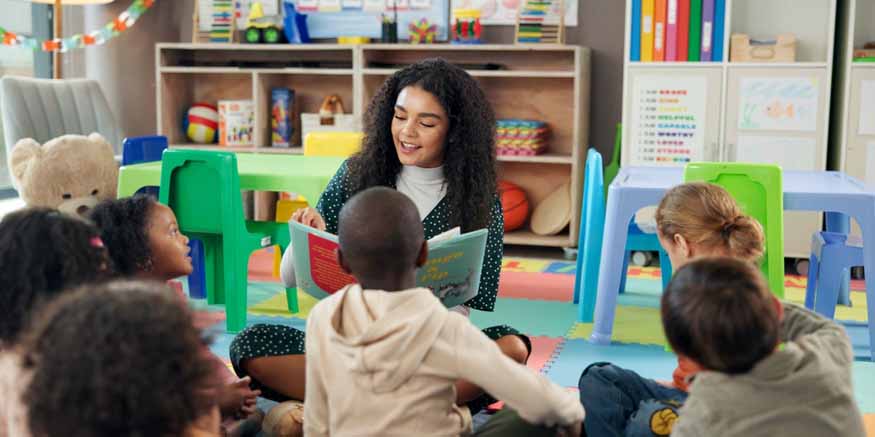
Many enjoyable playgroup activities involve group interaction, so early social exposure can significantly improve confidence.
How Playgroup Activities Help Children Adjust Emotionally
Engaging in playgroup activities plays a major role in reducing emotional stress during school transitions.
Activities such as:
- Music and rhymes
- Storytelling
- Sensory play
- Puppet shows
- Art and craft
- Outdoor games
help distract children from separation anxiety while encouraging curiosity and participation.
Children often become emotionally comfortable once they begin associating school with fun and positive experiences.
Give Children Time to Build Trust With Teachers
Trust does not develop instantly for toddlers.
Initially, children may strongly prefer parents over teachers because parents represent familiarity and emotional safety.
Over time, caring teachers become trusted emotional figures as well.
A nurturing kids’ play school understands the importance of:
- Gentle interaction
- Emotional reassurance
- Physical comfort when needed
- Patient communication
This emotional connection helps toddlers gradually feel secure within the classroom environment.
What Parents Should Avoid During This Phase
Certain parental responses can unintentionally prolong anxiety.
Avoid Comparing Children
Every child adjusts differently. Comparing toddlers creates unnecessary pressure.
Avoid Using School as a Threat
Statements like “I will send you to school if you misbehave” can create negative associations.
Avoid Punishing Emotional Reactions
Children are not intentionally misbehaving when they cry during separation.
Avoid Overquestioning After School
Sometimes, parents repeatedly asking “Did you cry today?” reinforces anxiety instead of reducing it.
Gentle conversations and emotional reassurance work far better.
How Long Does Separation Anxiety Usually Last?
The duration of adjustment varies from child to child.
Some children settle within a few days, while others may take:
- Two weeks
- One month
- Occasionally longer
Factors affecting adjustment include:
- Personality
- Previous social exposure
- Emotional sensitivity
- Consistency in routines
- Parent behaviour during drop-off
- Teacher support
The key is maintaining patience and emotional consistency.
Why Early Childhood Teachers Matter So Much
Teachers play a critical role during the adjustment period.
Experienced educators understand how to:
- Comfort anxious toddlers
- Redirect attention through activities
- Build emotional trust
- Encourage participation gently
- Support social bonding
This is why choosing the right kids’ play school matters greatly during early childhood.
A warm and emotionally supportive classroom can completely transform a child’s first school experience.
Choosing the Right preschool in Nagpur
Parents searching for a trusted preschool in Nagpur should prioritise emotional care alongside academics.
Before finalising a play school admission, parents should observe:
- Teacher warmth and patience
- Classroom atmosphere
- Safety and hygiene
- Emotional support practices
- Child-friendly routines
- Variety of playgroup activities
A nurturing environment helps children transition more comfortably into school life.
The Long-Term Benefits of Managing Anxiety Positively
When children receive proper emotional support during transitions, they gradually develop:
- Emotional resilience
- Confidence
- Independence
- Social adaptability
- Positive attitudes toward learning
Successfully overcoming early preschool anxiety also teaches children that new experiences can eventually become safe and enjoyable.
This emotional growth becomes valuable throughout their educational journey.
A Reminder for Parents: You Are Not Alone
Parents often feel isolated during the adjustment phase, especially when witnessing tears or emotional resistance.
My colleague eventually realised that nearly every parent around her had experienced similar emotions at some point. Once her daughter settled into routines and started enjoying classroom friendships and playgroup activities, school became something she looked forward to every morning.
What initially felt overwhelming slowly transformed into a beautiful milestone for both mother and daughter.
Final Thoughts
Experiencing separation anxiety during the early school years is completely natural. With patience, consistency, emotional reassurance, and thoughtful school adjustment tips, children gradually learn to feel safe and confident in their new environment. Strong emotional support from both parents and teachers plays a major role in helping toddlers overcome preschool anxiety successfully.
At Mother’s Pet Kindergarten, children are welcomed into a warm and nurturing environment that supports emotional comfort, joyful learning, and healthy social development through engaging playgroup activities. Parents exploring playgroup admission opportunities or searching for a caring Pre-nursery school in Nagpur can visit the admissions page to learn how to help their child begin school life with confidence and happiness.





Recent Comments