
I visited my cousin’s home a few years ago and watched her worry constantly about whether her four-year-old son was “learning enough.” Like many Indian parents, she believed early education had to involve worksheets, memorising the alphabet, and sitting quietly for long hours.
But everything changed after she enrolled him in a play school in Nagpur that focused on creative exploration and engaging playgroup activities. Slowly, she noticed remarkable improvements in his confidence, communication, curiosity, and emotional expression. What surprised her most was how naturally learning happened through play. Even his initial preschool anxiety reduced significantly because the environment offered strong child emotional support, gentle routines, and effective school adjustment tips that eased his separation anxiety toddler experiences during the first few weeks.
What Is Play-Based Learning?
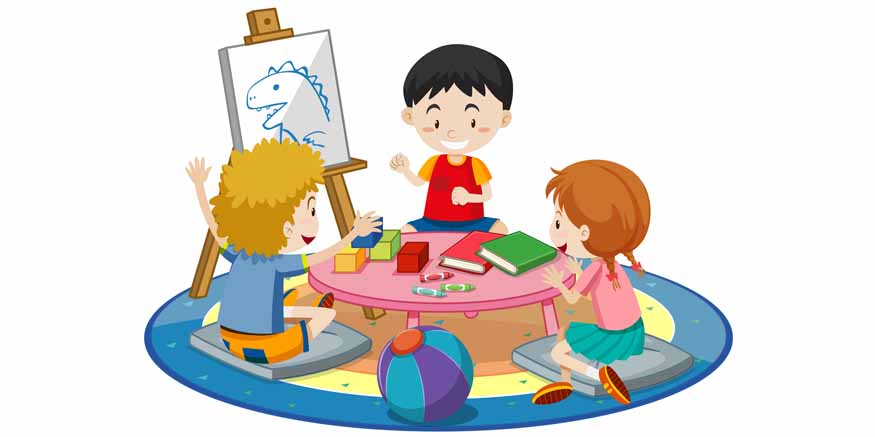
Play-based learning is an educational approach in which children learn through hands-on experiences, exploration, imagination, and interaction rather than through formal instruction alone.
Instead of memorising information passively, children actively engage with:
- Games
- Storytelling
- Art and craft
- Music and movement
- Sensory activities
- Outdoor exploration
- Role play
- Group interaction
A quality pre-school in Nagpur uses these experiences intentionally to support emotional, social, physical, and cognitive development.
Play-based learning does not mean “free play without structure.” It involves carefully planned experiences that encourage curiosity, creativity, and independent thinking.
Why Young Children Learn Best Through Play
During the early years, children naturally learn by exploring the world around them. Their brains develop rapidly through movement, observation, experimentation, and social interaction.
When children participate in engaging playgroup activities, they develop:
- Language skills
- Emotional confidence
- Social awareness
- Creativity
- Problem-solving abilities
- Fine and gross motor skills
Research worldwide consistently shows that play promotes brain development more effectively than rigid academic pressure in early childhood.
This is why experts strongly recommend play-based learning during the preschool years.
Why Indian Parents Are Slowly Embracing Play-Based Learning
For many years, Indian education systems focused heavily on memorisation and academic performance. Parents often believed children needed early writing practice and formal teaching to succeed later in life.
However, modern parents are gradually recognising that emotional well-being and creativity are equally important.
Today, many Indian families understand that:
- Confident children learn better
- Emotional security supports learning
- Creativity improves problem-solving
- Social interaction builds communication skills
As a result, more parents are now choosing kids’ play school environments that focus on joyful learning rather than academic pressure.
How Play Supports Emotional Development
One of the greatest strengths of play-based learning is emotional growth.
Through imaginative and interactive playgroup activities, children learn:
- Emotional expression
- Self-confidence
- Patience
- Empathy
- Cooperation
- Resilience
For toddlers experiencing separation anxiety toddler emotions during school transitions, playful environments help create emotional comfort and security.
Warm teachers, familiar routines, and positive classroom experiences also provide strong emotional support to children during the adjustment phase.
Why Play Reduces Preschool Anxiety
Many toddlers experience emotional stress when entering school for the first time.
A highly academic environment can sometimes increase preschool anxiety, especially if children feel pressured to perform before they are emotionally ready.
Play-based classrooms help reduce stress because learning feels enjoyable and natural rather than demanding.
Activities such as:
- Music and rhymes
- Puppet storytelling
- Sensory play
- Outdoor games
- Group art projects
help children associate school with happiness, exploration, and comfort.
This emotional positivity plays a major role in helping children adjust successfully.
How Playgroup Activities Build Social Skills
Social interaction is one of the most valuable aspects of early learning.
Well-designed playgroup activities teach children how to:
- Share with others
- Communicate clearly
- Listen patiently
- Take turns
- Solve conflicts
- Work collaboratively
These social experiences help children develop confidence in group environments naturally.
For many toddlers, a kids’ play school is their first opportunity to interact regularly with peers outside the family.
These interactions become essential for emotional and communication development.
Why Creativity Matters More Than Memorisation
Young children are naturally imaginative. Play-based learning encourages children to think independently rather than simply repeat information.
Activities such as:
- Pretend play
- Building blocks
- Storytelling
- Art and craft
- Open-ended games
allow children to explore ideas creatively.
Creativity helps children:
- Develop flexible thinking
- Solve problems confidently
- Express emotions effectively
- Build curiosity about learning
A nurturing kids’ play school understands that creativity during early childhood forms the foundation for future innovation and confidence.
The Role of Teachers in Play-Based Learning
Teachers play an extremely important role in successful play-based education.
Experienced educators observe children carefully and guide learning naturally through activities and interaction.
Rather than forcing information, teachers encourage children to:
- Ask questions
- Explore ideas
- Participate confidently
- Learn through experience
This child-centred approach creates emotional safety while encouraging active learning.
Strong teacher support also becomes especially important for children experiencing preschool anxiety or adjustment difficulties.
How Play Helps Cognitive Development
Play is deeply connected to brain growth during early childhood.
Through interactive playgroup activities, children strengthen:
- Memory
- Attention span
- Problem-solving abilities
- Logical thinking
- Language development
- Decision-making skills
For example:
- Puzzle games encourage reasoning
- Storytelling improves comprehension
- Block play strengthens spatial awareness
- Music improves memory and sequencing
Children often learn more effectively when actively engaged rather than passively instructed.
Why Physical Movement Is Essential for Learning
Young children are not designed to sit still for long periods.
Movement-based learning supports both physical and cognitive development.
Outdoor and movement-focused playgroup activities help children improve:
- Coordination
- Balance
- Motor skills
- Focus
- Reflexes
- Body awareness
Physical activity also supports emotional well-being and reduces stress.
A balanced kids play school understands that healthy movement is a vital part of effective early learning.
Supporting Children Through School Transitions
The transition into school can feel emotionally overwhelming for many toddlers.
Play-based environments make this transition smoother by creating warm, welcoming experiences.
Effective school adjustment tips often include:
- Gentle routines
- Interactive learning
- Positive teacher relationships
- Gradual transitions
- Emotional reassurance
These approaches help children feel safe and emotionally secure during the early school years.
For children experiencing separation anxiety emotions, playful classroom engagement often becomes a comforting distraction that encourages adjustment naturally.
Why Child Emotional Support Matters in Early Education
Children cannot learn effectively when they feel emotionally unsafe.
Strong emotional support for children helps children:
- Build confidence
- Trust teachers
- Explore independently
- Handle frustration positively
- Adapt to change
This emotional foundation becomes especially important during early childhood when children are still learning emotional regulation skills.
A nurturing kids’ play school prioritises emotional well-being alongside academics because both are deeply connected.
How Parents Can Encourage Play-Based Learning at Home
Parents also play a major role in supporting learning through play outside the classroom.
Simple activities at home can strengthen development naturally:
- Reading stories together
- Singing songs
- Building with blocks
- Pretend cooking games
- Outdoor play
- Drawing and painting
- Sensory exploration
Parents do not need expensive educational toys. Meaningful interaction and curiosity matter far more.
Children learn best when they feel emotionally connected and encouraged.
Common Misconceptions About Play-Based Learning
Some parents still worry that play-based classrooms may not prepare children academically.
However, play-based learning actually builds the foundational skills needed for future success, including:
- Attention span
- Communication
- Confidence
- Curiosity
- Social adaptability
- Problem-solving
Children who feel emotionally secure and curious often perform better academically later because they genuinely enjoy learning.
Choosing the Right Kids’ Play School in Nagpur
Parents searching for a trusted Preschool in Nagpur should look beyond academics alone.
Before completing play school admission, parents should evaluate:
- Teacher warmth and interaction
- Emotional support systems
- Safe learning spaces
- Variety of playgroup activities
- Opportunities for creativity
- Outdoor learning experiences
- Parent communication practices
The right environment can make a lasting difference in a child’s emotional and educational journey.
Why Play-Based Learning Is Globally Recommended
Across the world, child development experts strongly support play-based learning during the early years.
Countries with strong early childhood education systems often prioritise:
- Exploration
- Creativity
- Social interaction
- Emotional development
- Hands-on learning
This global approach recognises that childhood is not only about academic preparation but also about nurturing emotionally healthy, confident, and curious individuals.
Final Thoughts
Play-based learning creates a joyful and emotionally secure foundation that helps children grow socially, emotionally, physically, and intellectually. Through engaging playgroup activities, nurturing classrooms, strong child emotional support, and thoughtful school adjustment tips, children develop confidence and curiosity that support lifelong learning while easing preschool anxiety and separation anxiety challenges naturally.
At Mother’s Pet Kindergarten, children are encouraged to learn through exploration, creativity, and meaningful interaction in a caring environment designed for healthy early development. Parents exploring Nursery play school admission opportunities or searching for a trusted pre-nursery school in Nagpur can visit the admissions page to discover how a joyful kids play school experience can give children the strongest possible foundation for the future.




Recent Comments