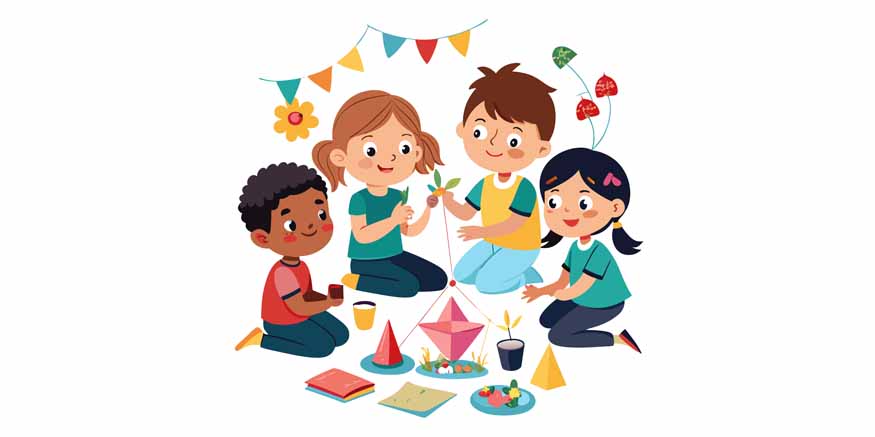
I still remember visiting a close friend after her son had completed just two months at a kids’ play school. Before joining a playgroup, he was extremely shy around other children and rarely spoke during family gatherings. But slowly, through daily playgroup activities, I noticed remarkable changes in him. He had started greeting people confidently, waiting for his turn during games, and even sharing toys with his cousins without being asked. Watching his growth made me realise how important toddler social skills really are during the early years. Through regular peer interaction, toddlers naturally begin learning communication, empathy, sharing and cooperation, and the confidence that develops through positive group learning kids experience in playgroup environments.
Why Social Skills Matter During Early Childhood
The toddler years are not only about learning the alphabet and numbers. They are also the stage at which children begin to understand relationships, emotions, communication, and social behaviour.
Strong toddler social skills help children:
- Express emotions confidently
- Build friendships
- Understand empathy
- Communicate effectively
- Adapt to group environments
- Handle conflicts positively
These skills become the emotional foundation for future school experiences and lifelong relationships.
In today’s world, where many children spend increasing time indoors or with screens, opportunities for real-life social interaction have become even more important.
This is one reason why a nurturing kids’ play school plays such a valuable role in early childhood development.
How Playgroup Introduces Toddlers to Social Learning
For many toddlers, playgroup is their first structured social environment outside the family.
At home, children are usually surrounded by familiar adults who respond immediately to their needs. In a playgroup setting, however, children begin learning how to function within a group.
Through engaging playgroup activities, toddlers gradually understand:
- Waiting for their turn
- Listening to others
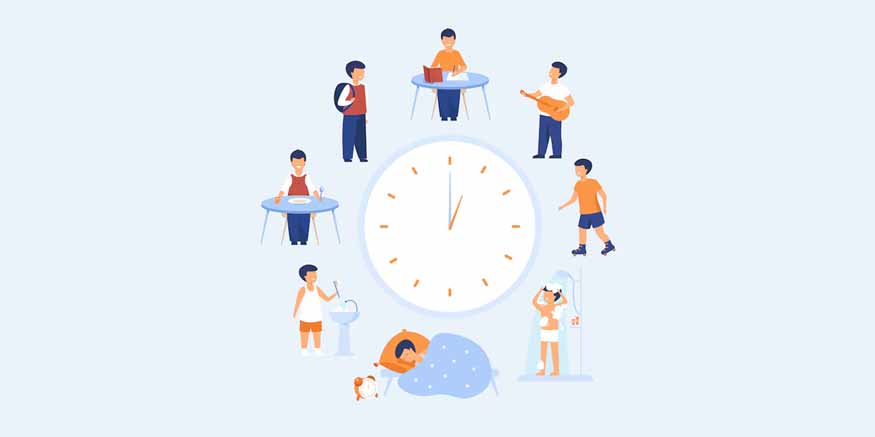
- Following routines
- Participating in group interaction
- Respecting boundaries
These everyday experiences help children become socially confident over time.
Why Peer Interaction Matters for Toddlers
One of the biggest advantages of playgroups is the regular peer interaction toddlers experience during daily activities.
When toddlers spend time around children their own age, they begin observing:
- Communication styles
- Emotional responses
- Social behaviour
- Group participation
This observation naturally shapes their own social understanding.
For example, toddlers learn:
- How to greet others
- How to request toys politely
- How to respond during conversations
- How to participate in games
These interactions may appear simple, but they build extremely important social foundations during early childhood.
How Sharing and Cooperation Develop Naturally
Parents often worry when toddlers refuse to share toys or become possessive during play. However, this behaviour is developmentally normal.
Children are not naturally born with an understanding of sharing and cooperation. These behaviours are learned gradually through repeated social experiences.
In a kids’ play school, toddlers regularly participate in:
- Group games
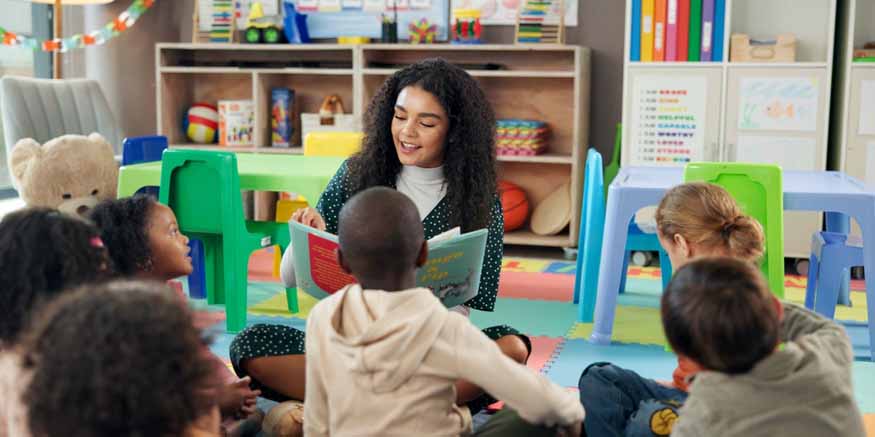
- Circle time
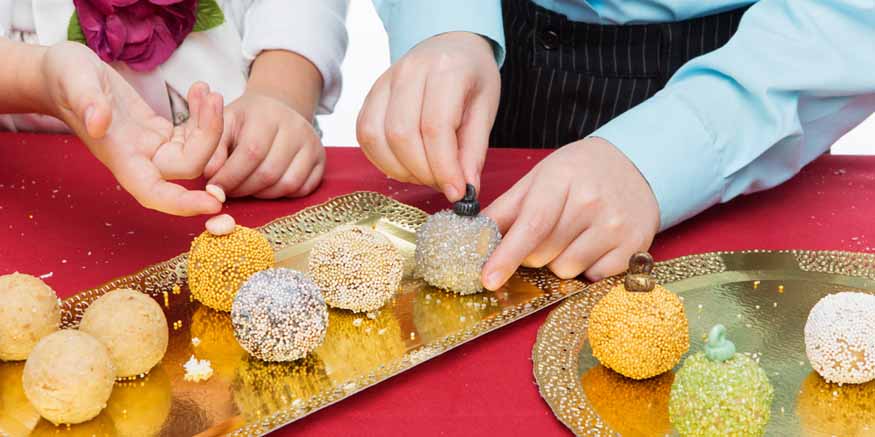
- Art activities
- Building activities
- Role-play sessions
These structured experiences encourage children to practise:
- Taking turns
- Sharing materials
- Helping classmates
- Working together toward common goals
Over time, children begin understanding that social interaction can be enjoyable and rewarding.
Why Group Learning Helps Build Confidence
Positive group learning experience in a playgroup environments help toddlers become more confident socially and emotionally.
When children participate in group activities, they learn:
- To speak in front of others
- To listen patiently
- To participate without fear
- To express ideas confidently
Many shy children gradually become more expressive through consistent classroom participation and teacher encouragement.
This confidence later supports smoother transitions into nursery and formal schooling.
How Playgroup Activities Teach Communication Skills
Language development is closely connected to social interaction.
Through regular playgroup activities, toddlers improve:
- Vocabulary
- Listening abilities
- Sentence formation
- Non-verbal communication
- Emotional expression
Activities such as:
- Storytelling
- Rhymes
- Puppet shows
- Circle discussions
- Pretend play
…encourage children to communicate naturally in a safe and supportive environment.
A nurturing play school for kids gives children opportunities to practise communication daily without academic pressure.
Why Emotional Development and Social Skills Are Connected
Social learning is not only about making friends. It is also deeply connected to emotional development.
When toddlers interact with peers, they begin learning:
- Empathy
- Patience
- Emotional regulation
- Conflict resolution
- Understanding feelings
For example, when a child sees another toddler crying, they slowly begin to recognise emotions and understand emotional responses.
This emotional awareness becomes an important part of healthy toddler social skills development.
How Teachers Help Children Build Social Confidence
Teachers play a major role in helping toddlers develop social comfort.
Experienced educators gently guide children through:
- Group interaction
- Sharing routines
- Conflict resolution
- Communication practice
- Emotional reassurance
A good kids’ play school does not force social interaction aggressively. Instead, teachers create safe opportunities where children feel comfortable participating gradually.
Warm teacher relationships often help shy or emotionally sensitive children feel secure enough to engage confidently with peers.
Why Pretend Play Supports Social Development
Pretend play is one of the most powerful tools for social learning during early childhood.
Activities such as:
- Pretend kitchens
- Doctor role-play
- Shopkeeper games
- Puppet storytelling
allow toddlers to explore communication and relationships creatively.
These imaginative playgroup activities help children:
- Practise conversations
- Understand social situations
- Express emotions safely
- Build cooperation skills
Pretend play also strengthens creativity and confidence simultaneously.
How Toddlers Learn Conflict Resolution in Playgroup
Disagreements are completely normal during toddlerhood.
Whether it is fighting over toys or refusing to take turns, these situations actually become important learning opportunities.
Through guided support, children slowly learn:
- Using words instead of aggression
- Understanding fairness
- Waiting patiently
- Solving small problems together
These experiences help children develop healthier social behaviour over time.
A nurturing kids’ play school teaches these skills gently through daily interaction rather than punishment.
Why Indian Parents Should Focus on Social Learning Early
In many Indian households, early education is still heavily associated with academics.
Parents often focus on:
- Alphabet writing
- Number recognition
- Reading readiness
while unintentionally overlooking social development.
However, strong social skills in toddlers often influence long-term success just as much as academics.
Children who communicate confidently and adapt socially usually:
- Adjust better in classrooms
- Build friendships more easily
- Participate actively
- Handle emotions more positively
This is why social learning during playgroup years is so valuable.
How Group Learning Prepares Children for Future Schooling
Positive group learning experiences during playgroup create smoother transitions into nursery and kindergarten.
Children become familiar with:
- Classroom routines
- Teacher instructions
- Group participation
- Social interaction
- Structured learning environments
This early familiarity often reduces anxiety when children enter formal schooling.
Many children who attend playgroup adapt more comfortably to nursery classrooms because they already understand basic classroom behaviour.
Why Playgroup Activities Matter More Than Parents Realise
Parents sometimes assume toddlers are “just playing” during preschool hours.
In reality, carefully planned playgroup activities are intentionally designed to support:
- Social learning
- Emotional growth
- Communication skills
- Cognitive development
- Creativity
- Physical coordination
Learning through play allows toddlers to absorb social lessons naturally without pressure.
This approach helps children associate learning with joy and confidence rather than fear.
Supporting Social Skills at Home as Parents
Parents can continue supporting social development outside school through simple everyday habits.
Some helpful activities include:
- Encouraging family conversations
- Organising playdates
- Reading emotional storybooks
- Modelling polite communication
- Encouraging turn-taking games
- Praising cooperative behaviour
Children learn social behaviour not only through instruction but also through observation.
Positive family interaction strongly influences social confidence.
Choosing the Right Kids’ Play School in Nagpur
Parents searching for a trusted Preschool in Nagpur should look beyond academic learning alone.
Before completing play school admission, parents should evaluate:
- Teacher warmth and interaction
- Emotional support systems
- Group learning opportunities
- Variety of playgroup activities
- Child-friendly classrooms
- Social interaction opportunities
The right environment helps children build confidence, communication skills, and emotional comfort during the early years.
Why Social Skills Matter Throughout Life
The social foundations built during toddlerhood often influence future success far beyond academics.
Children with strong social skills are often better able to:
- Build healthy relationships
- Communicate clearly
- Adapt to teamwork
- Handle challenges positively
- Express emotions confidently
These abilities continue to support children throughout school, friendships, careers, and adulthood.
This is why playgroup learning plays such an important role during early childhood.
Final Thoughts
Developing strong social skills in toddlers during the early years helps children build confidence, emotional awareness, communication skills, and healthy relationships. Through regular peer interaction, toddlers naturally learn empathy, sharing and cooperation, and the emotional confidence that grows through positive group learning kids experience in nurturing classroom environments.
At Mother’s Pet Kindergarten, children are encouraged to grow socially, emotionally, and creatively through engaging playgroup activities in a warm and supportive environment. Parents exploring play school admission opportunities or searching for a trusted pre-nursery school in Nagpur can visit the admissions page to learn more about how to help their child build strong social foundations at a caring kids’ play school


Recent Comments