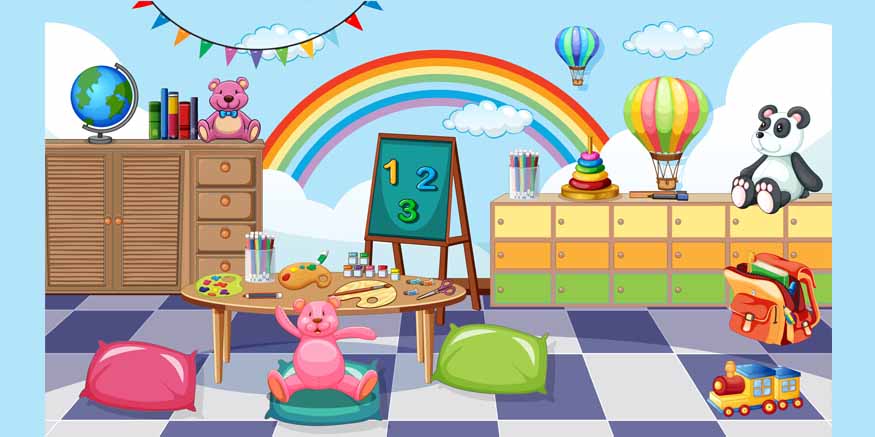
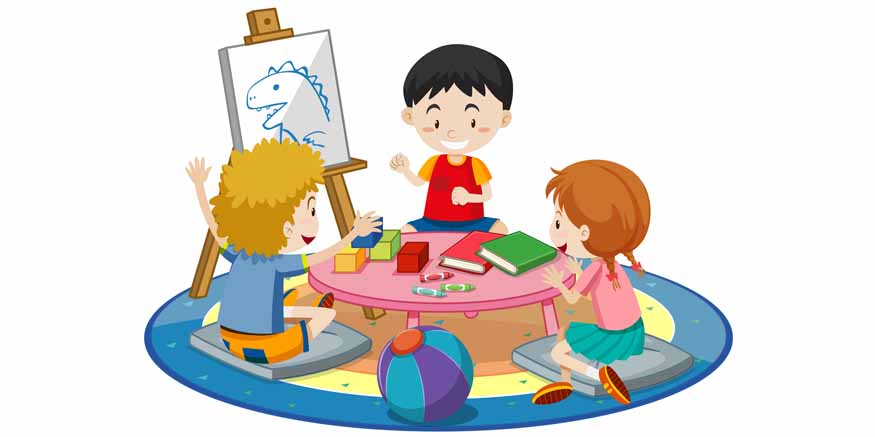
For many parents, Lower Kindergarten is an exciting milestone because it marks the transition from exploratory learning to a more structured educational experience. As children become more curious, independent, and communicative, parents naturally want to understand what they will learn during the year ahead.
Questions about the LKG syllabus, classroom activities, and developmental goals are common. A well-designed kindergarten curriculum focuses on building confidence, communication, creativity, and foundational academic skills. By understanding the key LKG subjects and expected kindergarten learning outcomes, parents can better support their child’s development.
Understanding the Purpose of Lower Kindergarten
Lower Kindergarten (LKG) is an important stage in early childhood education. Most children begin LKG between four and five years of age, when they are ready for more structured learning while still benefiting from play-based experiences.
The LKG syllabus aims to develop:
- Communication skills
- Early literacy
- Numeracy readiness
- Social confidence
- Creativity
- Emotional development
- Independence
Rather than placing children under academic pressure, a quality kindergarten programme nurtures learning through engaging, age-appropriate activities.
Why the LKG Year Matters
LKG bridges Nursery and Upper Kindergarten. During this stage, children strengthen essential skills that prepare them for more advanced learning while continuing to learn through exploration, stories, games, and hands-on activities.
A strong foundation during LKG supports future academic success and helps children develop a positive attitude towards learning.
Key Areas Covered in the LKG Syllabus
A balanced LKG syllabus supports every aspect of a child’s development through the following areas:
- Language development
- Early literacy
- Numeracy
- Environmental awareness
- Creative expression
- Physical development
- Social and emotional learning
Each area contributes to well-rounded growth rather than focusing only on academics.
Language Development and Communication
Language is a major focus of the LKG curriculum. Children are encouraged to:
- Expand vocabulary
- Speak confidently
- Listen carefully
- Follow simple instructions
- Participate in conversations
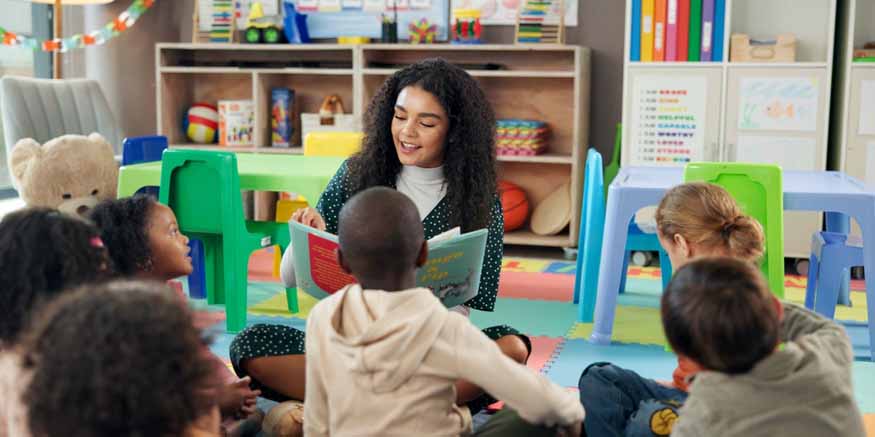
Teachers use storytelling, rhymes, picture discussions, show-and-tell sessions, and group activities to strengthen communication and comprehension while building confidence.
Early Literacy Skills
The LKG curriculum introduces the foundations needed for future reading and writing.
Children begin learning:
- Alphabet recognition
- Letter sounds
- Picture-word association
- Vocabulary building
- Pre-writing skills
Storybooks, songs, games, and creative activities make literacy enjoyable while avoiding unnecessary academic pressure.
Numeracy and Mathematical Awareness
Mathematics is introduced through practical experiences that help children understand basic concepts.
Children explore:
- Number recognition
- Counting
- Sorting and matching
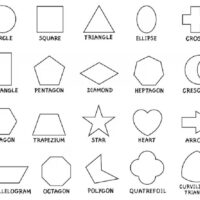
- Shapes
- Patterns
- Size comparisons
Hands-on activities and games encourage logical thinking while helping children become comfortable with numbers.
Environmental Awareness
Children are naturally curious about the world around them. The LKG syllabus introduces familiar topics such as:
- Family
- Community
- Animals
- Plants
- Seasons
- Festivals
- Nature
These themes encourage observation, curiosity, and meaningful discussions that connect classroom learning with everyday life.
Creative Arts and Expression
Creative experiences help children express themselves while strengthening important developmental skills.
Activities may include:
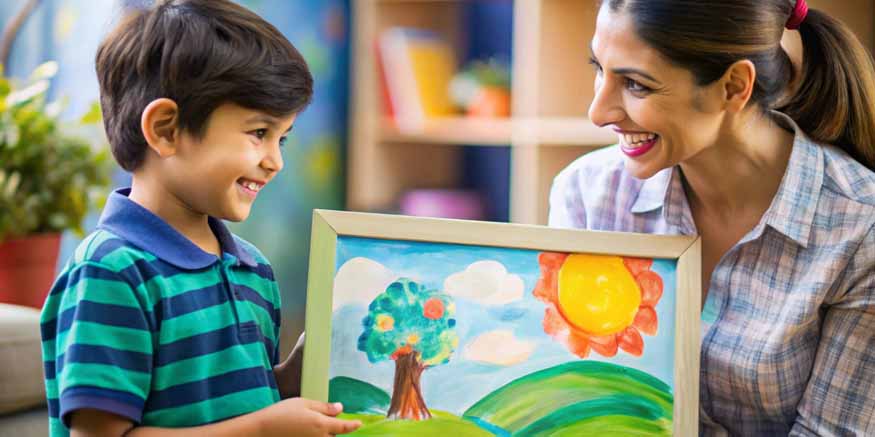
- Drawing
- Painting
- Colouring
- Craft work
- Music
- Dance
- Dramatic play
These activities encourage imagination, fine motor development, confidence, and self-expression.
Physical Development
LKG supports both fine and gross motor development.
Fine motor activities include tracing, colouring, cutting, and improving pencil grip.
Gross motor activities include running, jumping, balancing, movement games, and outdoor play.
These experiences improve coordination and prepare children for future classroom tasks.
Social, Emotional and Independent Learning
A quality kindergarten curriculum also focuses on life skills.
Children learn to:
- Share and cooperate
- Build friendships
- Express emotions appropriately
- Follow classroom routines
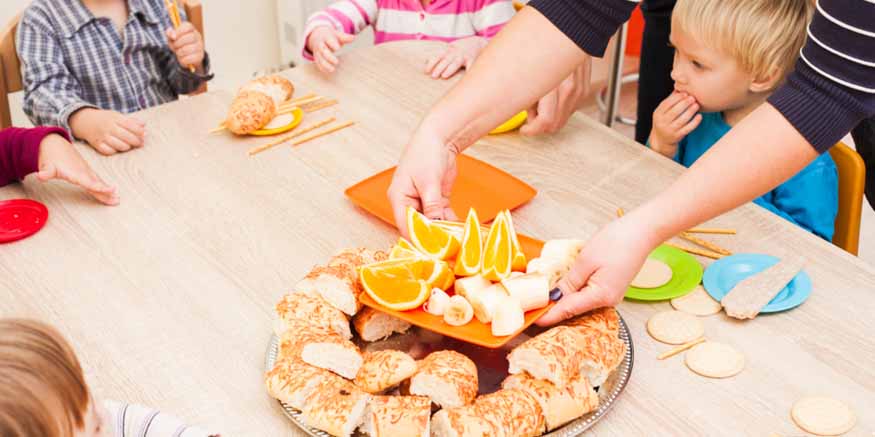
- Complete simple tasks independently
- Take responsibility for personal belongings
These experiences help children become confident, responsible, and ready for future learning.
Learning Through Play
Although learning becomes more structured during LKG, play remains central to the educational experience.
Children continue learning through:
- Games
- Role play
- Storytelling
- Exploration
- Group activities
- Hands-on experiences
Play-based learning keeps children engaged while supporting cognitive, social, and emotional development.
Kindergarten Learning Outcomes
By the end of LKG, children typically demonstrate growth across multiple developmental areas.
They may be able to:
- Recognise letters and sounds
- Count and identify numbers
- Recognise basic shapes and patterns
- Listen and follow instructions
- Communicate more confidently
- Work cooperatively with classmates
- Manage simple classroom routines independently
These kindergarten learning outcomes reflect overall development rather than academic achievement alone.
How Parents Can Support Learning at Home
Parents can reinforce the kindergarten curriculum through simple daily activities.
Helpful ways to support learning include:
- Reading together every day
- Encouraging regular conversations
- Playing simple counting and sorting games
- Providing opportunities for drawing and imaginative play
- Following consistent daily routines that encourage independence
These activities strengthen classroom learning while keeping education enjoyable. Read the syllabus that builds directly on the reading readiness activities children begin in Nursery.
Why Parents Trust Mother’s Pet Kindergarten
For decades, Mother’s Pet Kindergarten has helped children build strong foundations through a child-centred approach to early education.
The school focuses on:
- Communication development
- Creativity
- Confidence building
- Emotional well-being
- School readiness
- Holistic development
Its thoughtfully designed programmes ensure children enjoy meaningful learning experiences while developing the skills needed for future success. Families seeking kindergarten admission in Nagpur value the school’s nurturing environment and balanced approach.
Final Thoughts
A thoughtfully designed LKG syllabus goes beyond introducing letters and numbers. Through a balanced kindergarten curriculum, children develop communication skills, creativity, confidence, numeracy awareness, and social understanding. These LKG subjects work together to achieve meaningful kindergarten learning outcomes while preserving the joy of learning.
At Mother’s Pet Kindergarten, every learning experience is designed to help children grow into confident, curious, and capable learners. Parents exploring best kindergarten in Nagpur can visit the admissions page to learn how the school supports children during this important stage of development.




Recent Comments